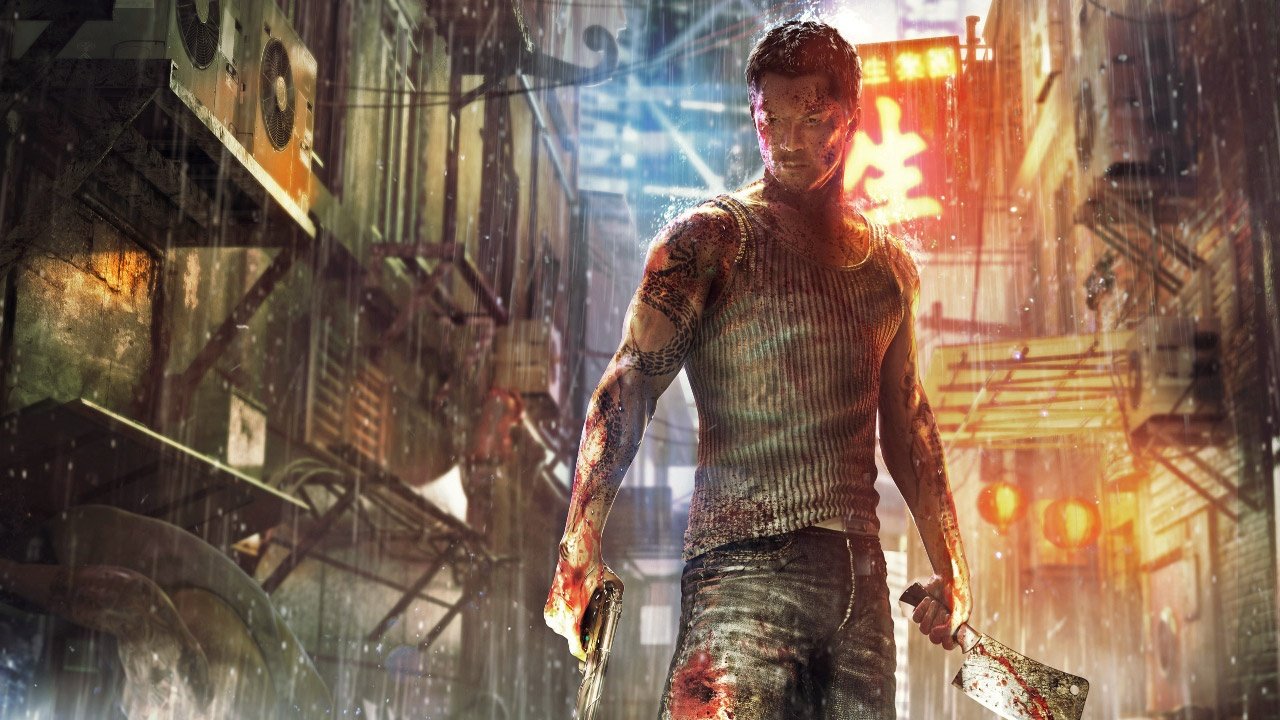
What Happened to Sleeping Dogs? The Rise, Success, and Cancelled Sequel
Discover the complete history of Sleeping Dogs. Learn about its troubled development, its massive critical success, and why Square Enix cancelled the highly anticipated sequel.

In the vast landscape of open-world action games, few titles have managed to step out of the massive shadow cast by the Grand Theft Auto franchise. Yet, in 2012, an undercover cop drama set against the neon-lit streets of Hong Kong did exactly that. Sleeping Dogs delivered an intoxicating mix of brutal martial arts combat, cinematic storytelling, and an atmospheric city that felt truly alive. Despite capturing the hearts of millions of players and becoming a beloved cult classic, the franchise abruptly vanished.
To understand what happened to Sleeping Dogs, one must look back at a turbulent development cycle, unrealistic corporate expectations, and a highly ambitious sequel that never saw the light of day.
From True Crime to a New Identity
The journey of Sleeping Dogs is one of the most chaotic survival stories in the modern gaming industry. Development began at the Vancouver-based studio United Front Games in 2008. Originally pitched as an original property named Black Lotus, the game caught the attention of publishing giant Activision. Seeing an opportunity to breathe life into their dormant open-world franchise, Activision attached the project to an established IP, officially rebranding it as True Crime: Hong Kong.
For years, United Front Games meticulously crafted the game’s world, bringing in martial arts experts like Georges St-Pierre to choreograph the combat and securing top-tier voice talent. However, the project was plagued by delays and an expanding budget. In early 2011, Activision abruptly cancelled the game, stating that even if completed, it would not be profitable enough to compete with top-tier titles.
The game was essentially dead until Square Enix saw raw potential in the unfinished code. Six months after Activision pulled the plug, Square Enix purchased the publishing rights to the game. Because Activision retained the rights to the True Crime name, Square Enix rebranded the project completely. Sleeping Dogs was born, and under the guidance of Square Enix London Studios, United Front Games finally polished and released their labor of love in August 2012.
The Success and the “Failure” Paradox
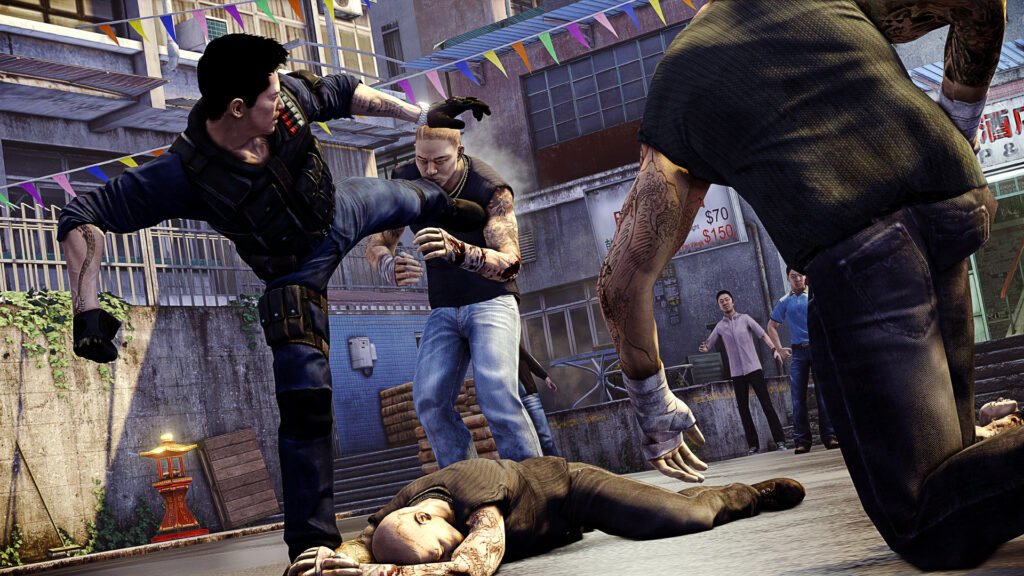
Upon release, Sleeping Dogs was met with glowing critical acclaim. Players and critics alike praised the game for its deep, rhythmic hand-to-hand combat system which borrowed the fluidity of the Batman: Arkham series but injected it with vicious environmental takedowns. The narrative, following the psychological toll on undercover cop Wei Shen as he infiltrated the Sun On Yee triad, was universally lauded for its mature writing and cinematic pacing.
From a player perspective, the game was a massive hit. It topped sales charts in the UK and built a passionate community. However, from a corporate perspective, the narrative was entirely different. By early 2013, Sleeping Dogs had sold around 1.5 million copies—a solid number for a new IP that had nearly been thrown in the trash. Yet, Square Enix was undergoing a period of massive financial restructuring and had set notoriously unrealistic sales targets for their Western titles. Alongside Tomb Raider and Hitman: Absolution, Square Enix categorized Sleeping Dogs as a commercial failure, claiming it had failed to meet their internal expectations.
This bizarre paradox—where a game is a critical darling and beloved by fans but deemed a financial disappointment by its publisher—sealed the fate of the franchise moving forward.
The Cancelled Sequel and the End of United Front Games
Despite the publisher’s disappointment, United Front Games immediately began drafting a pitch for Sleeping Dogs 2 in early 2013. The internal design documents revealed a wildly ambitious vision for the sequel. Wei Shen was set to return, partnered with a corrupt, unpredictable cop named Henry Fang. The game would allow players to explore the Pearl River Megacity, utilizing dynamic, cloud-powered game mechanics.
The sequel proposed a system where players’ actions in their individual games would alter the neighborhood policing levels across the global community of players. It also planned to integrate procedurally generated missions and a companion app that allowed players to influence the world from their smartphones.
Unfortunately, Square Enix refused to greenlight the project. Unwilling to risk a massive budget on a traditional single-player sequel, they instead pushed United Front Games to develop a free-to-play, multiplayer spin-off set in the same universe, titled Triad Wars.
Triad Wars completely abandoned the rich storytelling and character focus that made Sleeping Dogs special, opting for an asymmetrical base-building and raiding loop. The spin-off entered a closed beta phase but was met with overwhelming apathy and criticism from the fanbase, who simply wanted a true narrative continuation of Wei Shen’s story. Realizing the project was doomed, the beta was shut down, and Triad Wars was cancelled in late 2015.
The failure of Triad Wars and the refusal to fund a proper sequel effectively drained the life out of the franchise. Unable to secure stable footing on subsequent projects, United Front Games officially closed its doors in October 2016. Today, Sleeping Dogs remains a brilliant, solitary masterpiece—a game that survived cancellation to become a modern classic, only to be shelved forever due to the harsh financial realities of the video game industry.
“NetEase has officially dropped the Marvel Rivals Season 10 trailer, confirming the devastating arrival of Gorr the God Butcher alongside the official launch date. Read on to check out the start time, new character details, and what to expect from the upcoming season.”