Metal Gear Solid 6: What Should We Expect from the Next Metal Gear Game?
Metal Gear Solid 6 remains one of gaming's biggest unanswered questions. Explore Solid Snake's possible return, Kojima's absence, and potential remakes.
Years after Hideo Kojima’s departure from Konami, Metal Gear Solid 6 remains one of the biggest unanswered questions in the gaming industry. The franchise has returned to the spotlight through projects such as Metal Gear Solid Delta: Snake Eater and the Master Collection, but Konami has yet to announce a brand-new mainline entry.
That leaves fans wondering not only whether another major Metal Gear game will happen, but also what direction the series should take if it does. Should Konami bring back Solid Snake? Would a completely new protagonist be a better choice? Or could remaking the original Metal Gear games offer the safest and most meaningful way to continue the franchise?
There are plenty of possibilities, but one thing is certain: creating a new Metal Gear without Kojima would be a significant challenge. The next game would need to respect the series’ legacy while offering something genuinely worthwhile to longtime fans and newcomers alike.
Should Metal Gear Solid 6 Bring Back Solid Snake?
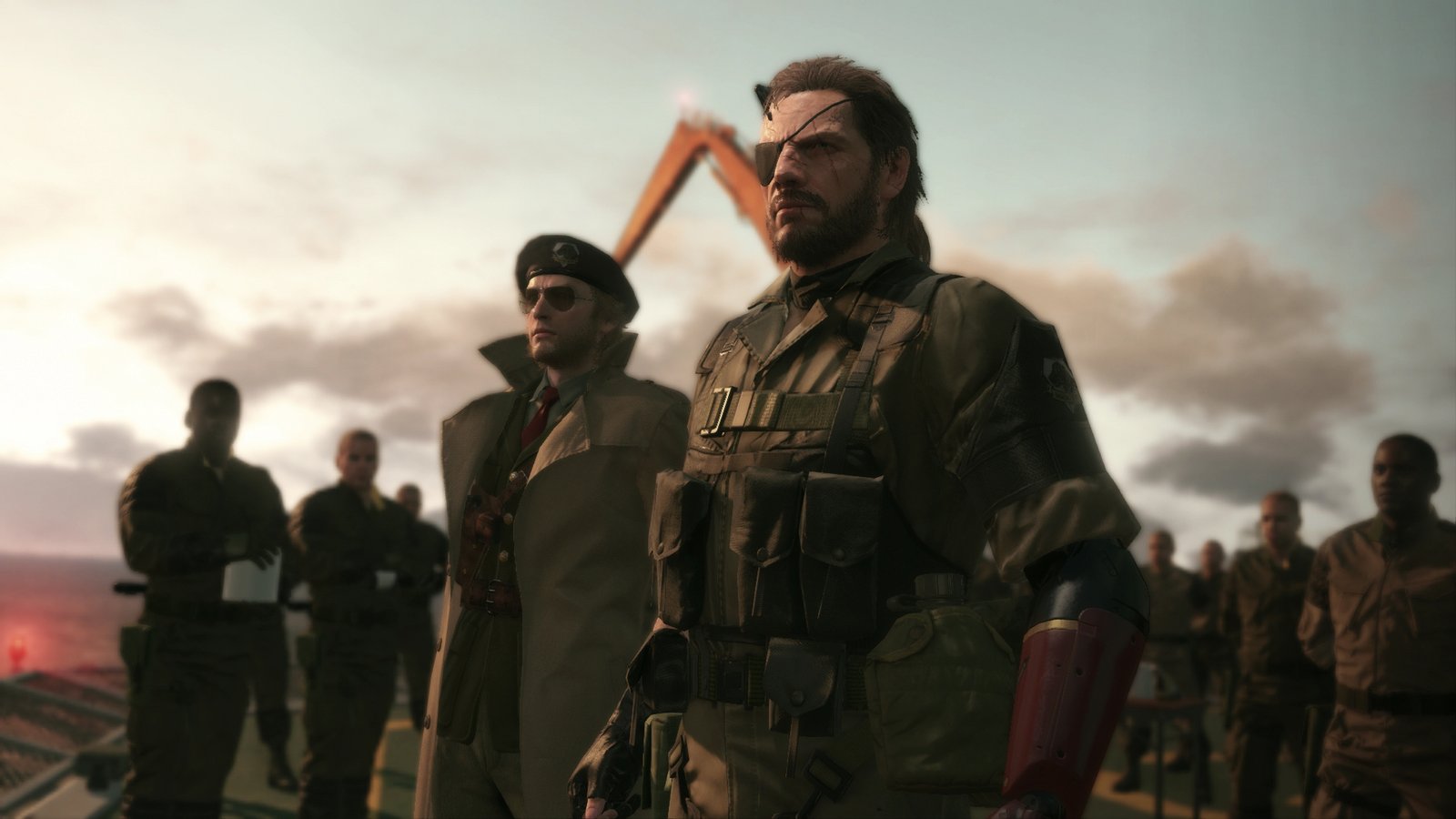
Solid Snake remains one of gaming’s most recognizable protagonists, and many fans would welcome another adventure featuring the legendary soldier. His Japanese voice actor, Akio Otsuka, has also expressed enthusiasm about the possibility of returning to the franchise.
Otsuka has described voicing Solid Snake as a source of pride and acknowledged that fans around the world are eager for another Metal Gear game. He has also indicated that he would be open to working on a new entry even if Kojima were not involved.
His comments offer encouragement to fans hoping to see the series continue. However, the question of whether Solid Snake should return is more complicated than simply bringing back a popular character.
By the end of Metal Gear Solid 4: Guns of the Patriots, Snake’s story had reached a natural conclusion. His struggles with aging, identity, loyalty, and the consequences of his actions gave the character a satisfying emotional arc. Bringing him back without a compelling reason could risk weakening that ending.
A new game featuring Solid Snake would therefore need to offer more than another mission or another battle against a familiar enemy. It would need a story that genuinely adds something to his character without undoing the emotional weight of his previous adventures.
For some fans, that may be too difficult a challenge. They would rather see Konami explore a different period in the Metal Gear timeline or introduce a new protagonist who can carry the franchise forward.
Could Remakes of the Original Metal Gear Games Be the Answer?

One of the most appealing possibilities for the future of the franchise is a remake of the original Metal Gear and Metal Gear 2: Solid Snake.
Both games were originally released for the MSX2 in the late 1980s, long before the cinematic storytelling and elaborate stealth mechanics that made Metal Gear Solid a household name. Although these titles are essential to the series’ history, many modern players have never experienced them.
A full remake could introduce these foundational adventures to a new generation while giving longtime fans an opportunity to revisit Solid Snake’s earliest missions.
The concept also makes narrative sense. Rather than inventing an entirely new chapter after Metal Gear Solid 4, Konami could revisit an important part of the timeline and expand upon events that later games frequently referenced.
A modern remake could preserve the original stories while introducing contemporary stealth mechanics, more detailed environments, improved enemy AI, and cinematic storytelling. It could also help bridge the gap between the original 2D games and the later Metal Gear Solid titles.
The success of remake projects across the industry demonstrates that revisiting older games can be a viable way to revive established franchises. However, Konami would need to strike the right balance between modernization and preserving the identity of the original experiences.
Can Metal Gear Survive Without Hideo Kojima?
Perhaps the biggest challenge facing Metal Gear Solid 6 is the absence of Hideo Kojima. His influence on the franchise extends far beyond its characters and stories. His distinctive approach to cinematic presentation, unconventional humor, political commentary, and experimental gameplay helped define Metal Gear’s identity.
Metal Gear Solid V: The Phantom Pain demonstrated how ambitious the series could become under his direction. Its open-ended stealth systems, dynamic environments, and freedom of approach gave players an unprecedented level of control over their missions.
Recreating that experience without Kojima would be difficult, but it would not necessarily be impossible. The franchise has talented developers, a rich fictional universe, and a gameplay foundation that remains influential across the industry.
The real question is whether Konami can develop a new creative identity for Metal Gear without simply imitating Kojima’s style. A successful successor would need to understand what makes the franchise special while being confident enough to introduce fresh ideas.
That means preserving the series’ emphasis on stealth, tactical decision-making, memorable characters, and thought-provoking storytelling without treating every previous game as a formula that must be repeated.
What Does Konami’s Current Strategy Tell Us?
Konami has been gradually bringing Metal Gear back into the spotlight through collections, remasters, and remakes. Metal Gear Solid Delta: Snake Eater is particularly important because it revisits one of the franchise’s most beloved entries using modern technology.
The company has also indicated that the future of the series depends partly on the performance of projects such as Delta and the Master Collection. This suggests that Konami is evaluating the strength of the franchise’s audience before committing to larger projects.
However, the response to the Master Collection has not been universally positive. Mixed user reviews for some releases, including the Steam version of Master Collection Vol. 2, illustrate the challenges of maintaining player confidence while revisiting older games.
These projects may ultimately determine how much investment Konami is willing to make in the franchise. Strong sales and positive reception could encourage the company to move forward with a new mainline entry, while disappointing results might lead to a more cautious approach.
Still, the continued attention surrounding Metal Gear suggests that the series has not lost its relevance. Its influence on stealth games, cinematic storytelling, and interactive design remains substantial.
The Future of Metal Gear Solid 6
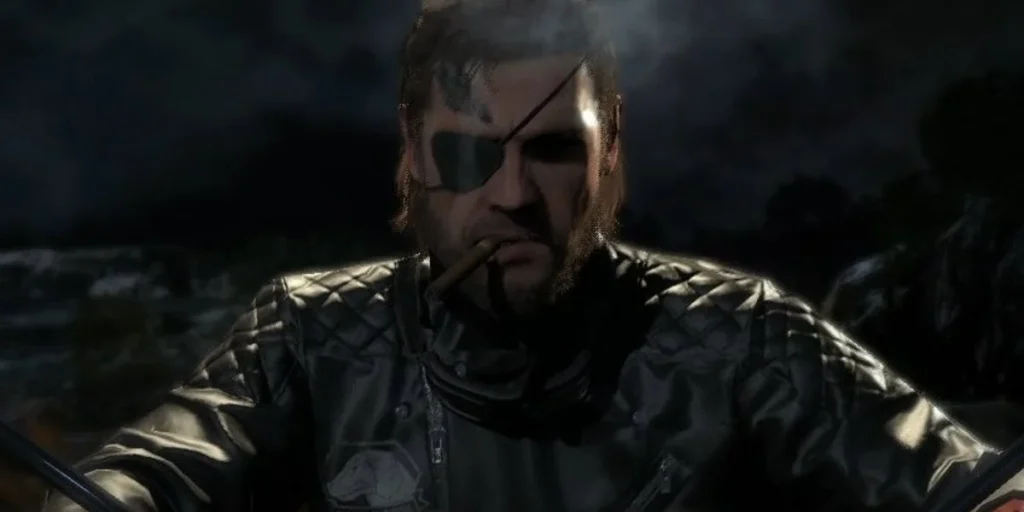
Metal Gear Solid 6 has the potential to become a major release, but its success will depend on more than nostalgia. Konami needs to decide what kind of story it wants to tell, which characters deserve another appearance, and how to preserve the franchise’s identity without relying entirely on its past.
Solid Snake could return if the story justifies it. A remake of the original Metal Gear games could provide a fresh opportunity to revisit his history. Alternatively, a new protagonist could allow the series to explore unfamiliar themes and conflicts.
Whatever direction Konami chooses, the most important thing is to make a game that feels like Metal Gear while offering a meaningful reason for the franchise to continue.
Fans have waited years for another major entry. If Metal Gear Solid 6 is eventually announced, it will face enormous expectations. Meeting those expectations will require more than bringing back familiar characters or recreating classic moments. It will require a clear creative vision and the confidence to take the series somewhere new.
“Phantom Blade Zero has officially become an instant smash hit, surpassing 4 million copies sold across PlayStation 5 and PC within just 72 hours of its release. Here is a look at developer S-Game’s remarkable launch milestone and what it means for the stylish action-RPG.”