5 Real Reasons Why Did Club Penguin Shut Down: The Full Story
Discover the complete history of the iconic virtual world. Find out exactly why did Club Penguin shut down, its Disney acquisition, and its ongoing legacy.

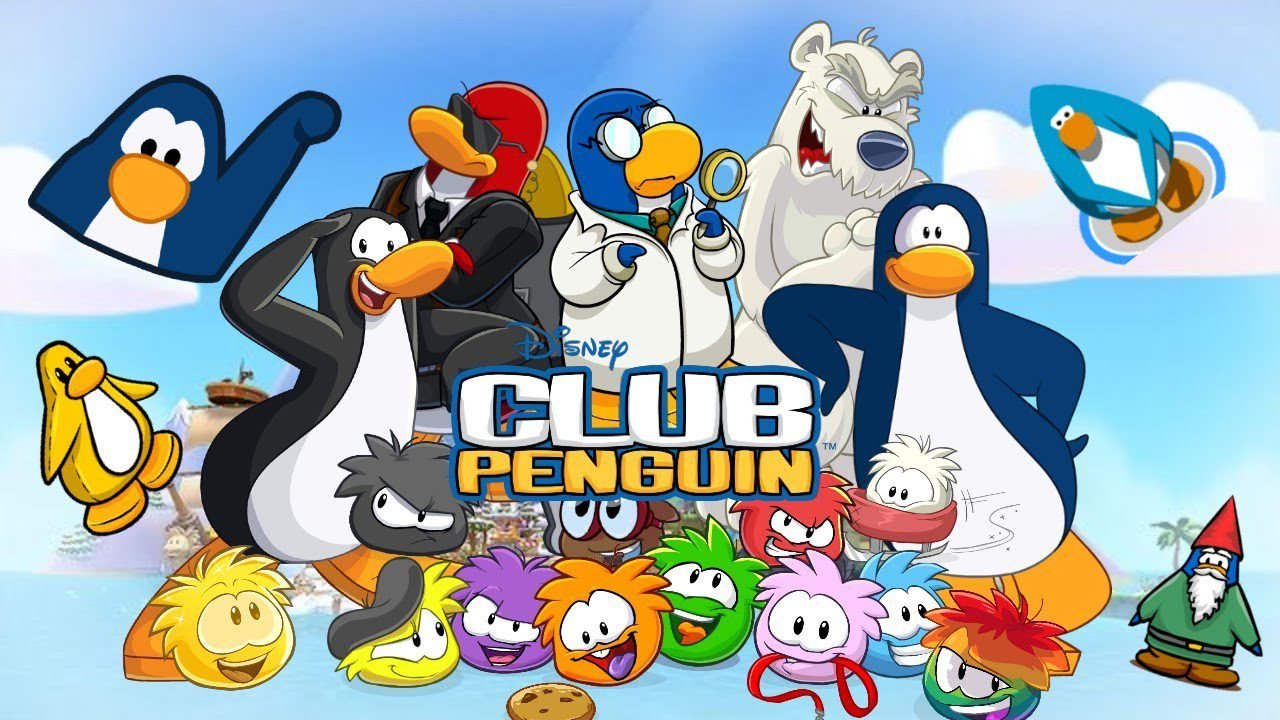
Ever wondered why did Club Penguin shut down after dominating the children’s online gaming world for over a decade? Launched in October 2005 by New Horizon Interactive, this iconic virtual world was designed with a very specific and noble goal. The creators wanted to build an ad-free, strictly moderated, and safe online environment for children. In an era where internet safety was rapidly becoming a primary concern for parents worldwide, this colorful browser game quickly gained an incredible reputation.
Recognizing its massive potential, entertainment giant Disney purchased the platform in 2007 for a staggering $350 million. Under Disney’s umbrella, the game reached unprecedented heights, expanding globally with new servers, plush toys, and comic books. By 2013, the game proudly boasted over 200 million registered accounts. Yet, on March 29, 2017, the game permanently closed its doors. Here is the complete story behind its tragic downfall.
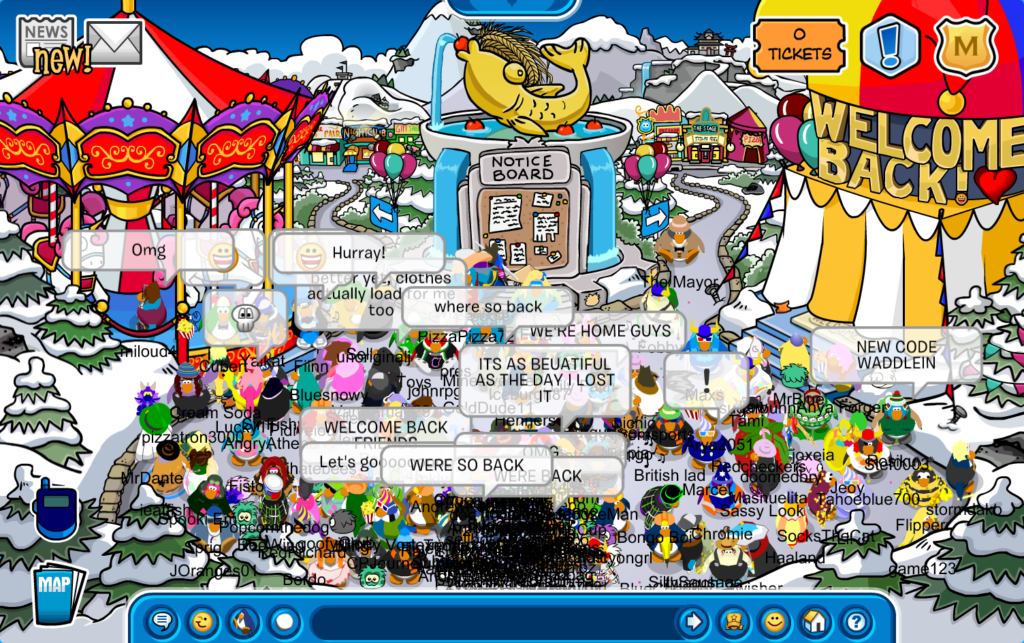
Table of Contents
Before understanding its demise, it is essential to look at what made the platform a global phenomenon. During the mid-2000s, browser-based MMORPGs were exploding in popularity. Club Penguin stood out because of its strict chat filtering, engaging minigames like Sled Racing and Puffin rescue, and a deep sense of community.
When Disney acquired the title, they invested heavily in global server infrastructure. According to historical archives on Wikipedia’s Club Penguin page, the platform was localized into Spanish, Portuguese, French, and German, cementing its status as an undisputed titan in children’s digital entertainment.
The corporate decision to close the platform was not made overnight. Instead, it was the tragic result of a perfect storm involving technological shifts, changing consumer habits, and financial pressures.
1. The Death of Adobe Flash Player
The core technical foundation of the game was built exclusively on Adobe Flash Player. For over a decade, Flash was the standard engine for web interactive media. However, as web technology evolved, Flash was heavily criticized for severe security vulnerabilities, high battery consumption, and poor optimization. When major web browsers announced they were phasing out Flash in favor of modern HTML5 architecture, Disney faced a massive dilemma. Rewriting a complex, decade-old browser game from scratch would have required an astronomical budget.
2. The Mobile Gaming Revolution
Simultaneously, the gaming industry experienced a massive paradigm shift. Children were no longer sitting at desktop computers to play browser games. Instead, they migrated rapidly to smartphones and tablets, consuming mobile apps. The desktop-bound snowy island simply could not compete with the instant accessibility of modern iOS and Android app stores.
3. Declining Player Engagement and Revenue
As the original player base aged into teenagers and adults, active user numbers began to drop steadily. Maintaining massive global servers and paying hundreds of live moderators to keep chat rooms safe became increasingly unprofitable for Disney as subscription revenues declined.
4. High Operational and Moderation Costs
Unlike standard online games, a children-focused platform requires strict 24/7 human moderation to prevent cyberbullying and inappropriate behavior. Operating these safety teams alongside heavy server costs created a high financial burden during years of dropping player numbers.
5. The Failed Strategic Shift to Mobile
Rather than updating the browser engine, Disney made the risky choice to replace the original experience entirely with a new 3D mobile project, alienating its loyal fanbase.
Attempting to adapt to the mobile-first market, Disney launched a fully 3D mobile application titled Club Penguin Island in early 2017. Unfortunately, this new iteration completely lacked the charm, freedom, and nostalgia of the original 2D browser version.
The app was heavily monetized, locking basic customization features behind microtransactions and aggressive monthly subscriptions. Longtime fans violently rejected the app. Due to extremely low download numbers and terrible reviews, Disney shockingly cancelled the mobile app less than two years after its release, shutting down Disney’s official support for the franchise entirely.
When the closure was officially announced, the internet went into a collective state of mourning. On March 29, 2017, millions of nostalgic players logged into their old childhood accounts for one final time.
Servers reached maximum capacity as players flooded iconic locations like the Town Center, the Coffee Shop, and the Iceberg. During the final minutes, thousands of penguins stood together, spamming the famous community catchphrase “Waddle On” in the chat box. When the clock struck midnight, the screens went black, ending one of the most emotional digital farewells in internet history.
Club Penguin Rewritten by Fans
Following the official shutdown, fan developers created unauthorized private servers, most notably Club Penguin Rewritten. These fan projects painstakingly recreated the beloved 2010 era of the game down to the exact pixel, attracting millions of returning players.
However, because these projects utilized copyrighted Disney assets, they operated in a dangerous legal gray area. Following copyright infringement notices (DMCA) and severe data security breaches, law enforcement agencies officially seized and shut down the prominent private servers in 2022.
Ultimately, this virtual world was much more than just a collection of minigames and virtual pets. It introduced an entire generation to online socialization, digital etiquette, and internet friendships. While we now clearly understand why did Club Penguin shut down, the memories forged on that virtual ice remain an unforgettable chapter of internet history.
Enjoyed this gaming history deep-dive? If you love uncovering lost gaming projects, make sure to check out our detailed dossier on 5 Hidden Mysteries: The P.T. Silent Hills Cancelled Project Explained.