Sony Stands Firm: No Turning Back on the Decision to End Physical Disc Production
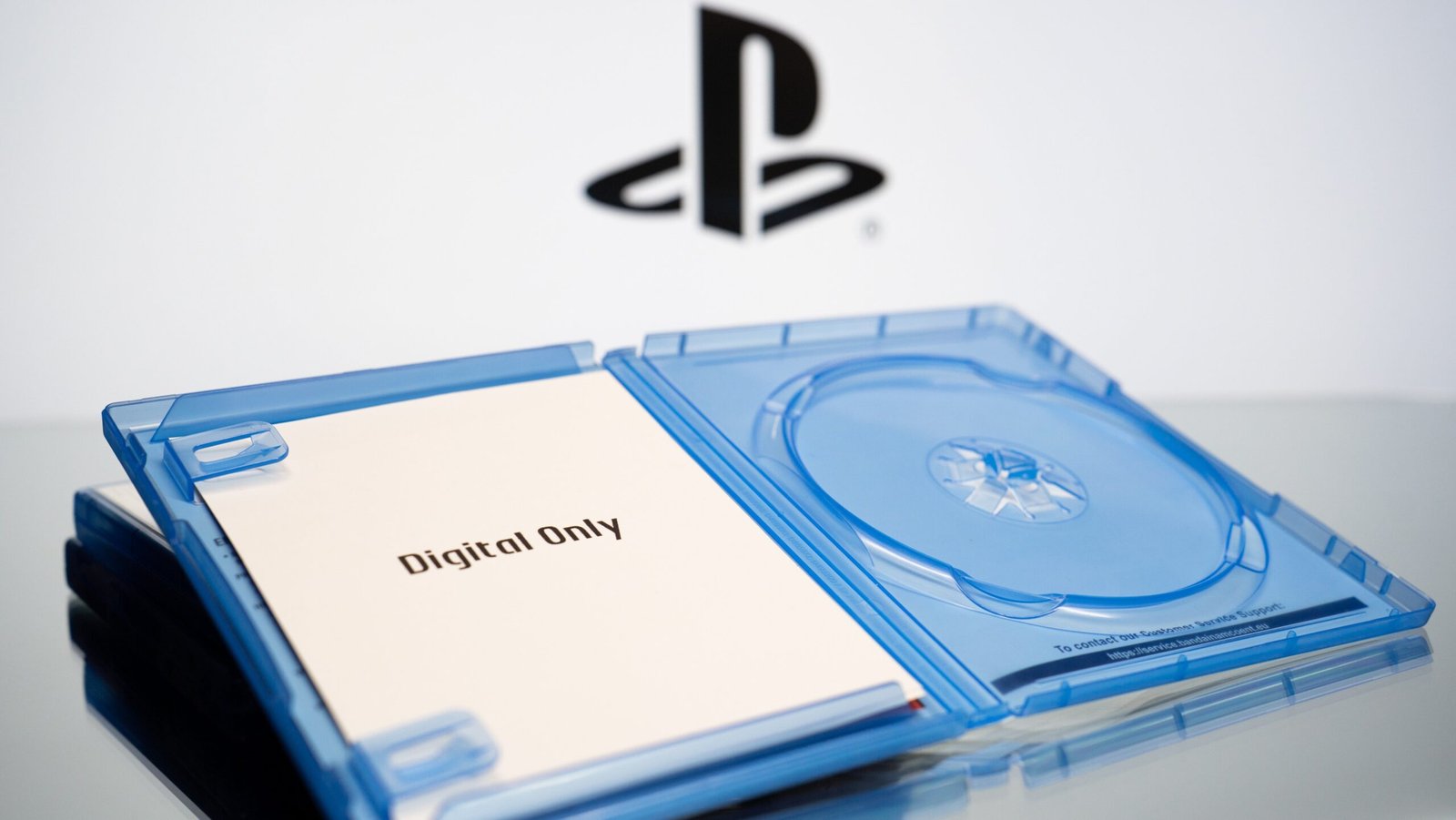
Sony officially confirms it will not back down from ending PlayStation physical disc production by January 2028, prioritizing digital sales and higher profit margins.
The gaming community has always been passionate about physical media, but a major paradigm shift is officially on the horizon. Following Sony’s initial announcement to eventually phase out physical copies for PlayStation games, the tech giant faced an immediate and intense wave of backlash. Game preservation advocates, dedicated physical collectors, and everyday players organized online campaigns and boycott calls to voice their displeasure. Many criticized the move as an attack on consumer choice and game ownership. However, breaking its recent silence, Sony’s executive management has made its stance incredibly clear: the company understands the concerns of its player base, but it has no intention of abandoning its comprehensive digital transformation plan.
The Firm January 2028 Deadline
During a recent investor meeting held following the release of the company’s financial results, Sony Chief Financial Officer Lin Tao addressed the ongoing controversy surrounding the physical disc decision. Tao definitively reconfirmed that the manufacturing of physical discs for new PlayStation games will be completely halted starting in January 2028.
According to the executive, this monumental decision was not made overnight. It is the result of long-term strategic evaluations regarding the future of the entertainment industry. Tao emphasized that rapid and undeniable digitalization is not just a trend restricted to video games, but a massive wave transforming the entire global entertainment sector. For Sony, adapting to this digital-first ecosystem is seen as an absolute necessity rather than a mere option, cementing the 2028 deadline as a permanent milestone for the PlayStation brand.

Examining the Data: Why Digital is Winning
To understand why Sony is so willing to upset a vocal portion of its fanbase, one must look closely at the underlying sales data driving the industry forward. The reality is that consumer behavior has changed drastically over the last decade. Back in 2013, during the launch window of the PlayStation 4, digital downloads accounted for a mere 13 percent of full game sales on Sony consoles. Fast forward to projections for 2025, and that number is expected to skyrocket to an astonishing 80 percent.
The physical market has shrunk to a fraction of its former glory. Reports indicate that in the United States—one of the largest gaming markets in the world—only seven PlayStation titles managed to surpass the 100,000 physical sales mark over the course of the entire year. This stark statistical landscape paints a very clear picture: physical editions, despite their vocal supporters, are becoming increasingly irrelevant to the company’s broader financial success and overall market reach.
The Profit Margin Factor: Retail vs. PlayStation Store
Beyond just consumer preference, the economics of game distribution play a massive role in Sony’s decision to halt physical disc production. Selling a physical game comes with a heavy logistical and financial burden. When a publisher sells a physical copy, they must account for disc manufacturing, packaging, global shipping logistics, warehousing, and the inevitable percentage cut taken by brick-and-mortar or online retailers. Consequently, a company generally only retains about 65 percent of the revenue generated from a physical sale.
Conversely, digital distribution through the PlayStation Store eliminates almost all of these overhead costs. The revenue share Sony retains from a digital sale is significantly higher, allowing the company to maximize profits on every single unit sold. From a purely business perspective, transitioning fully to a digital storefront is a highly lucrative move that streamlines operations and heavily bolsters the company’s bottom line.
What This Means for Game Preservation and Collectors
Despite the overwhelming financial logic, the emotional and cultural impact of this decision cannot be ignored. The company officially acknowledges that the PlayStation community holds very strong views regarding physical game ownership, the hobby of collecting, and the historical preservation of video games. However, their recent statements offer no hope for a reversal. Instead of reconsidering the disc manufacturing ban, Sony plans to focus its resources on discovering new ways to build better connections and engage with players strictly within the digital ecosystem.
It is important to note that this transition will not render current media useless. Existing physical games will not be affected by this ruling, and any disc-based titles released prior to the January 2028 cutoff will continue to function normally on compatible console hardware. Regardless of ongoing boycott threats from physical media purists, industry analysts firmly believe there is an incredibly low probability that Sony will ever reverse this course. Ultimately, for the PlayStation brand, the era of the physical disc is steadily coming to a close, paving the way for a fully digital future in 2028.
Have you heard about the PlayStation Boycott Announced: Gamers to Keep Consoles Turned Off for a Week? Players are organizing a massive week-long blackout protest to stand against rising subscription prices and anti-consumer policies.