PlayStation Boycott Announced: Gamers to Keep Consoles Turned Off for a Week
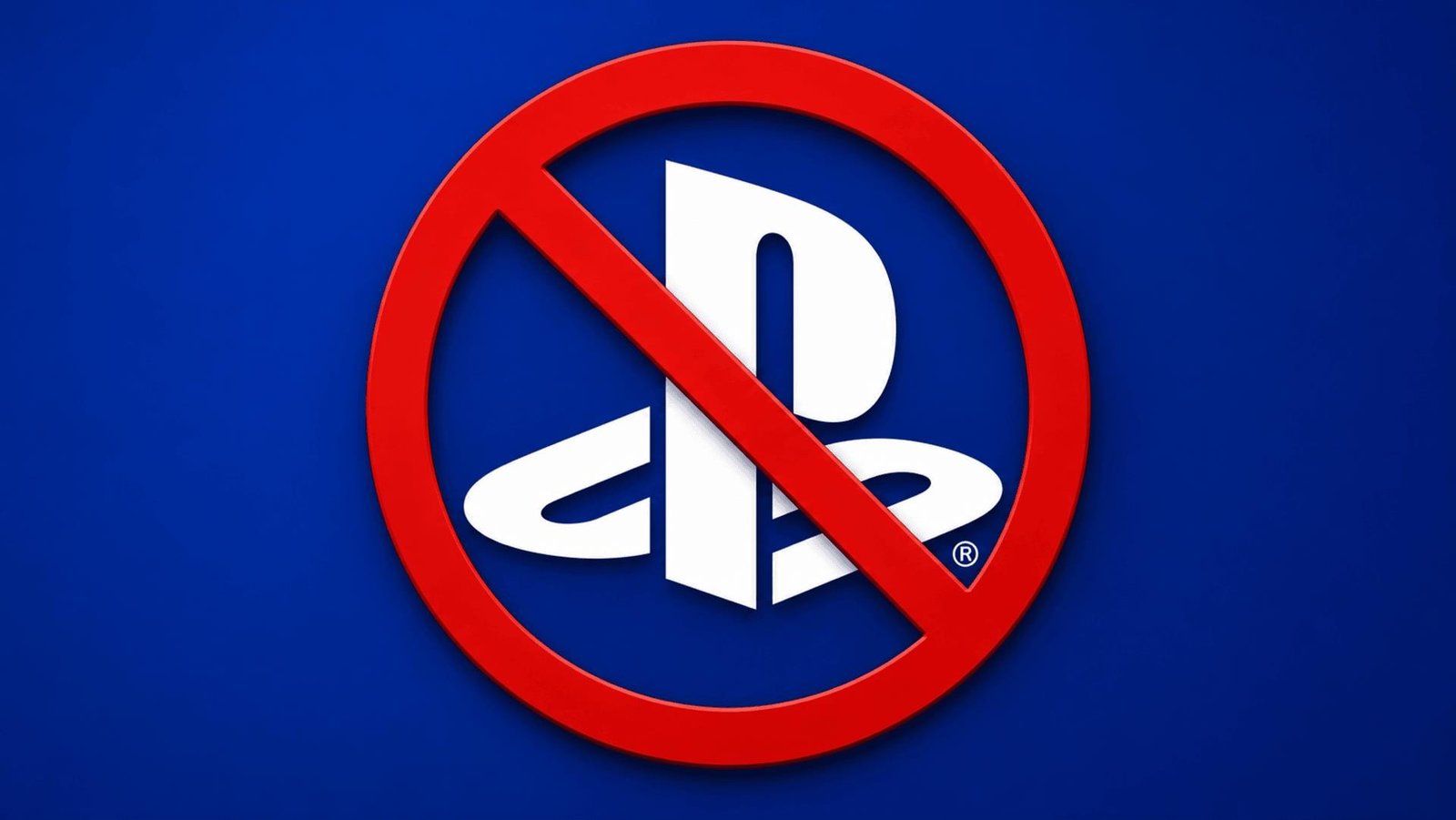
A massive PlayStation boycott is brewing under the #PSBlackout hashtag. Discover why players are protesting Sony's physical game policies and if it will work.
The growing dissatisfaction within the gaming community has officially boiled over into a large-scale, organized protest across social media. Frustrated players believe that Sony’s recent corporate policies are drifting further away from the core expectations of its dedicated community. This has culminated in a massive PlayStation boycott, but industry analysts and gamers alike are already heavily debating whether this planned action will actually inflict any real damage on the tech giant.
With rumors circulating about the death of physical media, the community has decided to draw a line in the sand. However, taking on a multi-billion dollar corporation requires more than just a trending hashtag. Let’s dive deep into the upcoming #PSBlackout campaign, what it demands from players, and why the strategy itself might be fundamentally flawed.
The Origins of the #PSBlackout PlayStation Boycott
Organized largely on social media platforms like X (formerly Twitter) and Reddit, the call to action demands a strict, week-long PlayStation boycott. According to the viral campaign, players are instructed to completely shut down their consoles starting from August 23 at 7:00 PM until August 30 at 7:00 PM.
The rules set by the community organizers are incredibly strict for those choosing to participate:
- Do not turn on your PlayStation 4 or PlayStation 5 console for the entire week.
- Do not log into your PlayStation Network (PSN) account via the console, web browser, or mobile app.
- Strictly avoid making any purchases, pre-orders, or microtransactions through the PlayStation Store.
The primary catalyst for this massive protest is the growing rumor and subsequent realization that Sony allegedly plans to completely abandon physical games starting in January 2028. For many collectors, physical media represents actual ownership, game preservation, and the ability to trade or resell titles. The digital-only future threatens these consumer rights, prompting this aggressive economic pushback.
Will Turning Off Consoles Actually Hurt Sony Financially?
While a complete shutdown sounds like a powerful statement on paper, the practical realities of server architecture suggest otherwise. A week-long console blackout might not deliver the financial blow the community is hoping for.
The PlayStation Network infrastructure is designed to scale dynamically based on active user traffic. If millions of players suddenly log off and stay offline for a week, the server load decreases dramatically. In a twist of irony, this drop in web traffic could actually reduce Sony’s server maintenance and operational costs for that specific week. Simply refusing to play the games you already own is a symbolic gesture, but it can easily backfire into a cost-saving week for the corporation you are trying to protest against.
For a PlayStation boycott to truly sting, the financial metrics must be targeted. Canceling PlayStation Plus subscriptions, refusing to buy digital currency, or boycotting a massive first-party game launch would create a noticeable dent in the quarterly earnings reports.
The Problem with the Boycott’s Timing
Another major point of criticism surrounding the #PSBlackout movement is the chosen timeframe. The end of August is traditionally a quiet period for the gaming industry, acting as the calm before the massive holiday release rush.
During the specified boycott dates, there are no monumental, system-selling PlayStation exclusive titles hitting the market. If players truly wanted to make their voices heard, staging a blackout during the launch week of a highly anticipated title—such as the upcoming Marvel’s Wolverine—would send a much louder message. Choosing a quiet week in August raises serious questions about the overall commitment of the participants. Are they willing to sacrifice playing a brand-new, highly anticipated game, or are they only boycotting when it is most convenient for them?
By the Numbers: Can a Petition Save Physical Media?
To understand the potential impact of this movement, we have to look closely at the numbers. Currently, the PlayStation Network boasts an incredible active user base of over 120 million players worldwide. Furthermore, Sony has successfully sold over 93 million PlayStation 5 consoles globally.
In stark contrast, the community petition launched to support the preservation of physical games has stalled at roughly 344,000 signatures. While 344,000 passionate gamers is not a small number by any means, it represents a tiny fraction—less than 1%—of the total PlayStation ecosystem.
This mathematical reality highlights the biggest hurdle for the PlayStation boycott. The #PSBlackout movement will undoubtedly succeed in making the community’s frustration visible across social media algorithms and gaming news outlets. However, for a corporate titan like Sony to completely reverse long-planned, highly profitable digital transition strategies, it will likely take much more than a week of silence from a passionate minority.
Would you like to learn the details about the new Friday the 13th game currently in development?