14 Great Games That Were Victims of Terrible Marketing Strategies
Discover 14 great games that were victims of terrible marketing strategies, poor release timing, and misleading publisher campaigns.
Making a great video game is only half the battle. Even the most creative and entertaining titles can struggle to find an audience when publishers fail to communicate what makes them special. A misleading trailer, an unfortunate release date, or an advertising campaign that completely misses the point can seriously damage a game’s chances of success.
Sometimes, the problem is even stranger. Publishers occasionally come up with marketing ideas so bizarre that the advertising campaign becomes more memorable than the game itself. While these stunts might generate headlines, they do not always convince players to spend their money.
The following list features 14 great games with bad marketing strategies. Some struggled commercially despite receiving positive reviews, others were presented in ways that failed to highlight their strongest features, and a few became associated with advertising controversies that overshadowed the actual experience.
14 Games That Deserved Better Marketing
1. Yoshi and the Mysterious Book
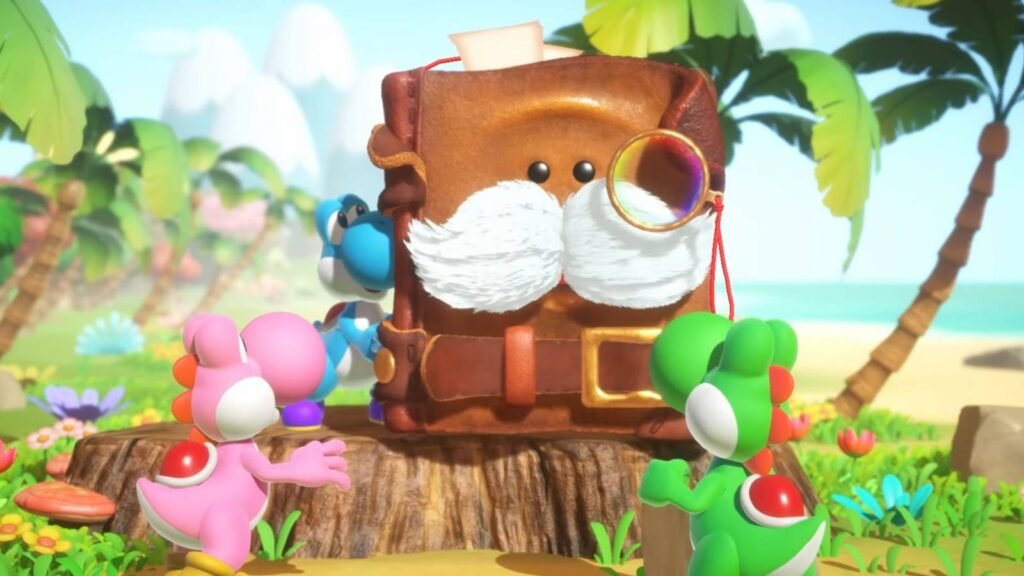
Yoshi and the Mysterious Book appeared to be a relatively simple platformer when it was first introduced. Its colorful presentation and child-friendly aesthetic did not immediately suggest a particularly ambitious adventure, leaving many players with the impression that it was a lightweight Nintendo release rather than a creative new experience.
The problem was that the marketing did not adequately communicate the game’s imaginative level design, puzzle mechanics, and variety of ideas. Its playful environments had much more to offer than the initial presentation suggested.
When a game has interesting mechanics that set it apart from other platformers, those features need to be front and center in its promotional material. A campaign that focuses too heavily on surface-level similarities can leave potential buyers overlooking what makes a game worth playing.
2. Marvel’s Guardians of the Galaxy
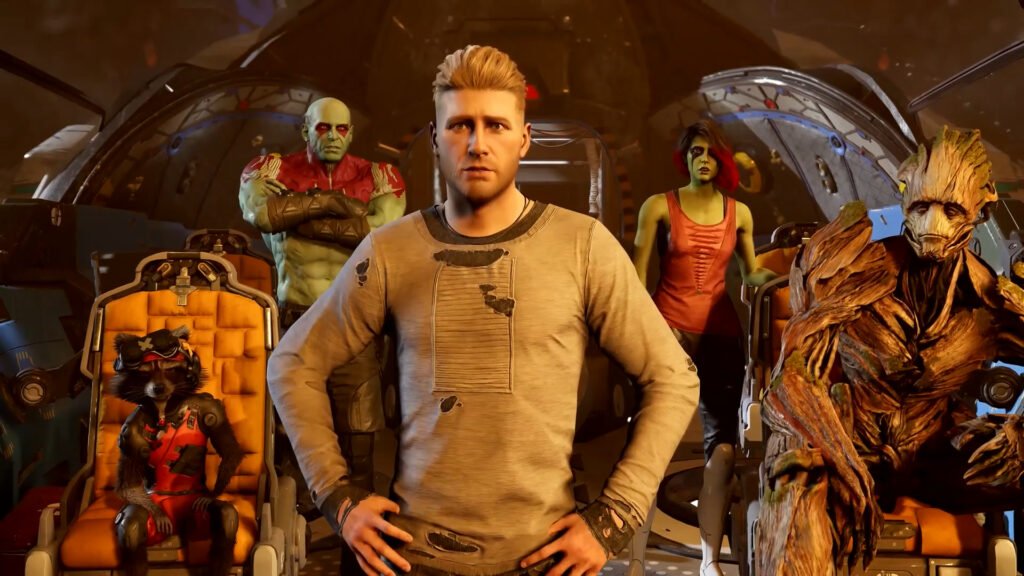
Marvel’s Guardians of the Galaxy had an uphill battle from the moment it was announced. The commercial disappointment surrounding Marvel’s Avengers had already damaged confidence in Marvel games from the same publisher, and Guardians inevitably faced comparisons with that earlier project.
Its trailers also leaned heavily on the soundtrack, humor, and cinematic presentation associated with the Marvel films. While those elements were part of the game’s identity, they did not adequately communicate its more distinctive features.
The finished product offered a single-player adventure with tactical combat, meaningful character interactions, and a surprisingly emotional story about friendship, grief, and personal responsibility. Players who gave it a chance discovered a much more focused experience than some had expected.
Despite positive reviews, the game failed to meet commercial expectations. Its reputation has improved over time, making it a particularly clear example of how a publisher’s previous failures and an unfocused marketing message can undermine a promising release.
3. Onrush
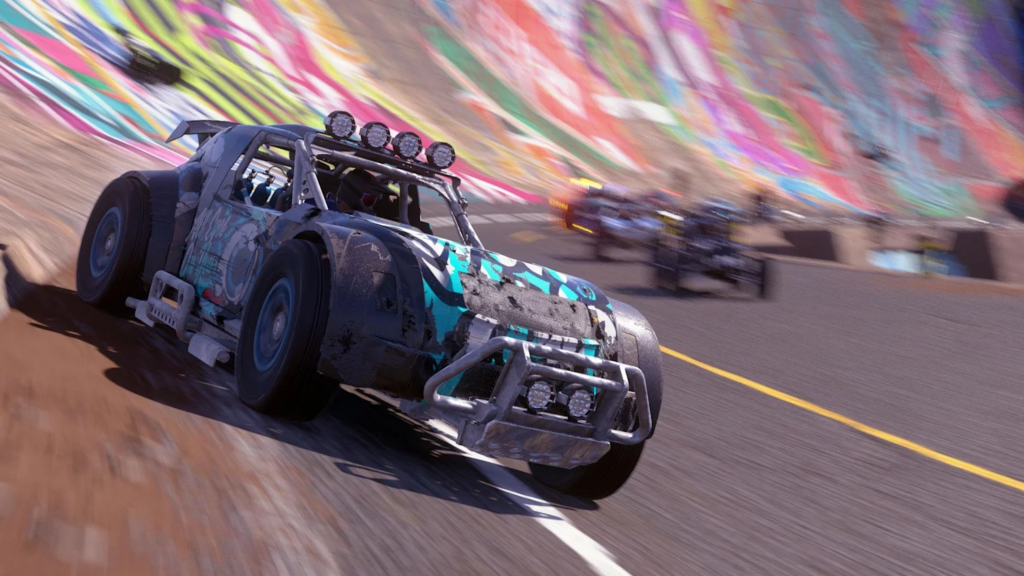
Onrush was not a conventional racing game. Instead of simply trying to finish first, players competed in team-based events where teamwork, aggressive driving, vehicle abilities, and strategic play were central to the experience.
That unusual approach could have been the game’s biggest selling point. Unfortunately, its marketing did not do enough to explain why Onrush was different from the racing games players already knew.
Some promotional material made it look like another arcade racer, while limited visibility made it difficult to build momentum before launch. Potential buyers who wanted a traditional racing experience might not have understood the game’s objective, while players looking for something different had little reason to discover it.
Onrush had a distinctive identity, but that identity needed a much clearer introduction. Its struggles demonstrate why unusual gameplay concepts require marketing that explains the experience rather than merely showing fast cars and spectacular crashes.
4. Split/Second: Velocity
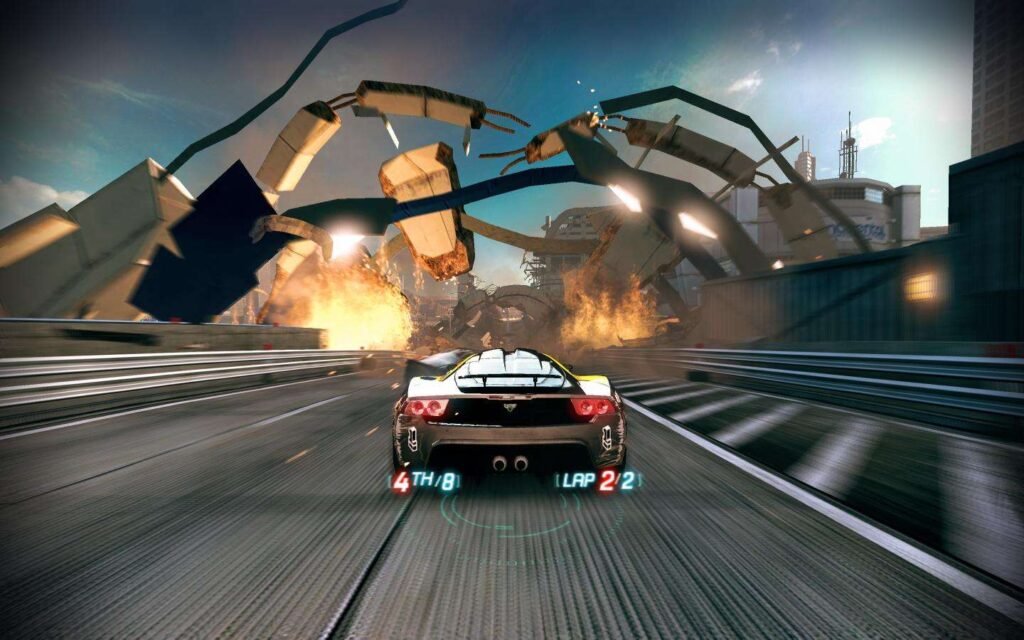
Split/Second: Velocity had an excellent concept for a racing game. Players could trigger massive explosions, collapse structures, and alter sections of the track while competing against their opponents. Every race could turn into an action-movie spectacle, with the environment becoming just as dangerous as the other drivers.
This was precisely the kind of feature that should have made the game easy to promote. Yet Split/Second did not receive the sustained attention needed to turn its inventive mechanics into a major commercial success.
Its release timing also worked against it. Launching in May 2010 meant competing for attention during a period when highly anticipated games such as Red Dead Redemption and Super Mario Galaxy 2 were dominating conversations.
Split/Second remains a memorable arcade racer for players who appreciate explosive, unpredictable competition. With stronger promotional support and a more favorable release window, it might have reached a much larger audience.
5. Blur
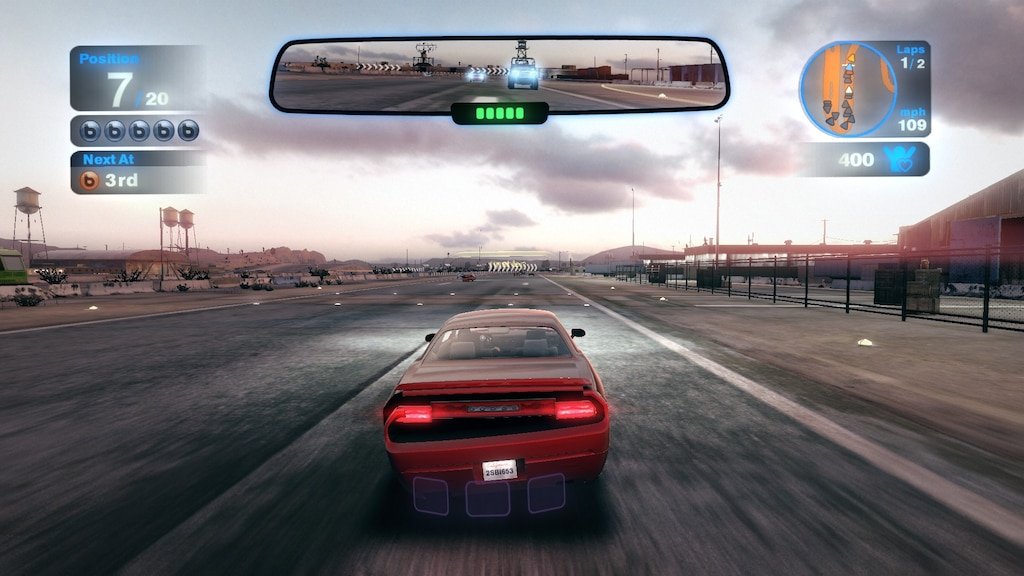
Blur attempted to combine realistic licensed cars with the chaotic power-ups and competitive racing associated with kart racers. It was a straightforward concept with considerable potential, offering a more aggressive alternative to traditional arcade racing.
However, its marketing leaned into comparisons with Mario Kart rather than focusing on the qualities that made Blur stand out on its own. Some advertisements even took aim at Nintendo’s popular racing franchise.
The strategy attracted attention, but mocking a competitor does not automatically convince players that your product is worth buying. Blur needed to demonstrate how its weapons, handling, multiplayer modes, and licensed vehicles came together to create a satisfying racing experience.
Instead, its promotional campaign risked making the game look like an imitation rather than a distinct alternative. Like Split/Second, Blur became a cult favorite, but its commercial performance never fully reflected its potential.
6. Titanfall 2
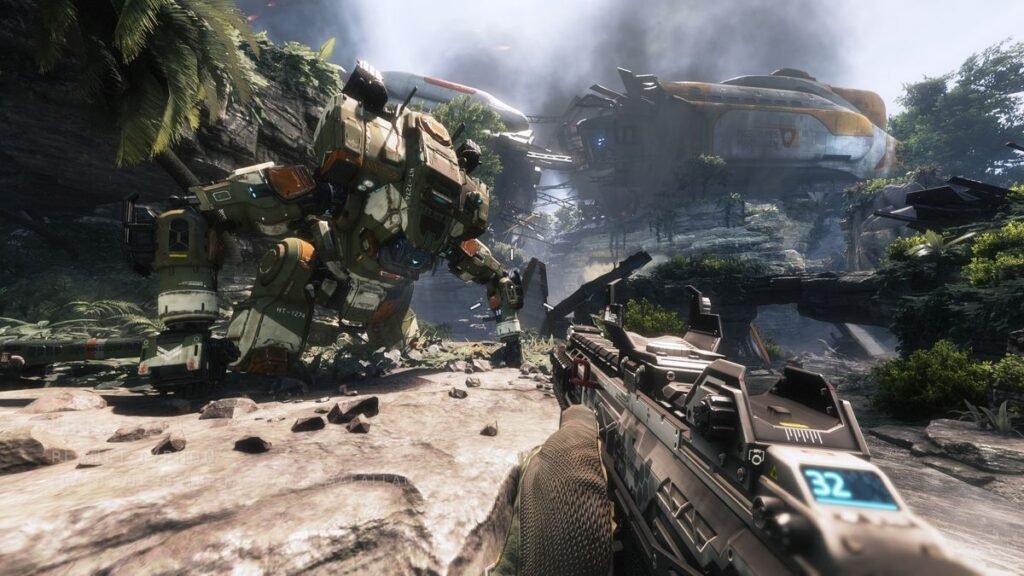
Titanfall 2 is widely remembered for its fluid movement, satisfying gunplay, spectacular Titan battles, and inventive single-player campaign. Its story mode introduced fresh gameplay ideas throughout the adventure, making it much more than a multiplayer shooter with a campaign attached.
Unfortunately, its launch strategy made success considerably harder. One issue was that the marketing did not communicate the appeal of the single-player campaign as effectively as it could have. Another was the release date: Titanfall 2 arrived in October 2016, between Battlefield 1 and Call of Duty: Infinite Warfare.
That placed it in direct competition with two of the biggest franchises in the first-person shooter market. Battlefield 1 was also published by EA, the same company responsible for Titanfall 2, making the scheduling decision particularly difficult to understand.
The game earned strong reviews, and its reputation grew as more players discovered its campaign. However, its initial commercial performance fell short of expectations. Titanfall 2 remains one of the clearest examples of how even an excellent game can struggle when its release schedule and promotional strategy work against it.
7. DmC: Devil May Cry
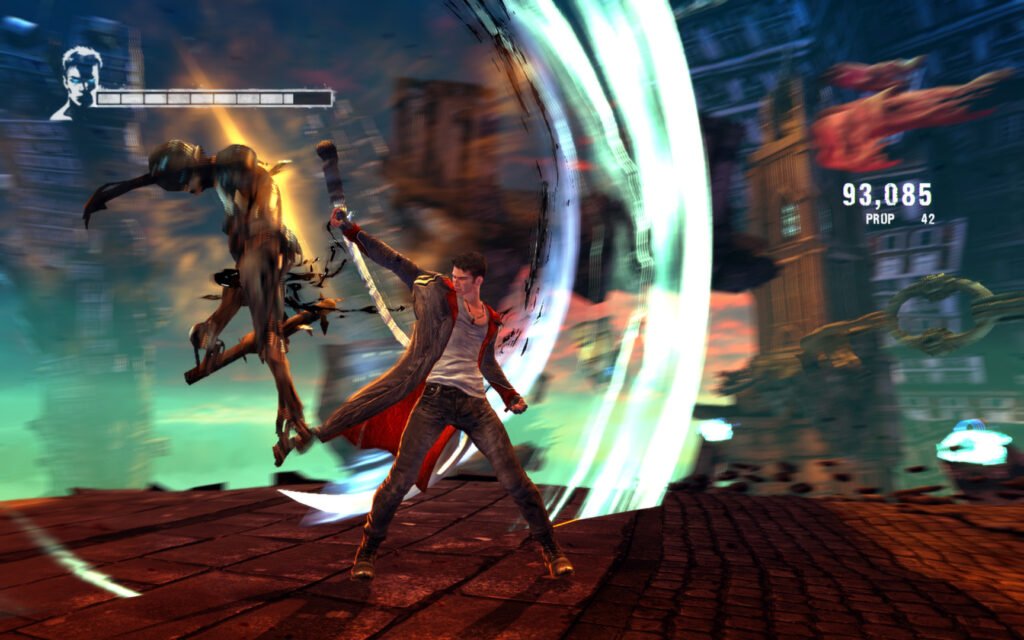
DmC: Devil May Cry faced a different kind of marketing problem. Rather than failing to attract attention, it generated plenty of attention for the wrong reasons.
Capcom wanted to reimagine Devil May Cry for a broader Western audience, and Ninja Theory developed a reboot featuring a dramatically redesigned Dante. His appearance, personality, and attitude differed significantly from what longtime fans expected.
The promotional campaign amplified these differences, creating a backlash before players had the chance to judge the game on its own merits. Many fans viewed the new direction as an unnecessary rejection of the series’ identity.
Yet the finished game featured stylish combat, extensive combo possibilities, and a surprisingly deep fighting system. The Definitive Edition refined the experience further.
Although DmC developed a more appreciative audience over time, the controversy surrounding its redesign continued to define its place in the franchise. Devil May Cry 5 later returned to the original series’ continuity, leaving DmC as a divisive but interesting experiment.
8. Kirby
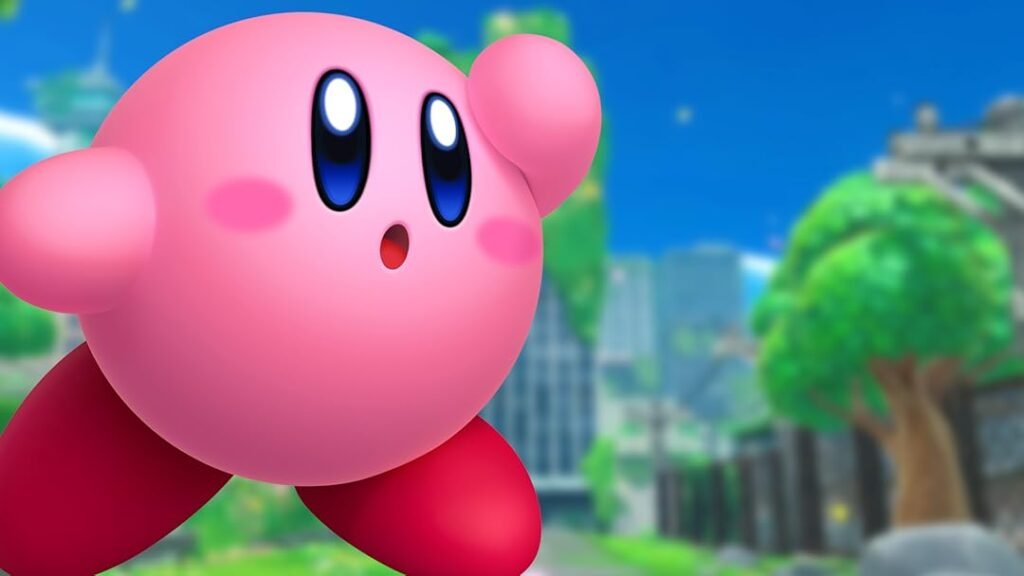
Kirby’s marketing problem was not limited to one release. For years, some Western advertisements portrayed the cheerful pink character with an angry expression, creating a humorous contrast with his friendly appearance in Japanese promotional artwork.
The approach was presumably intended to make Kirby seem tougher or more appealing to young male audiences. Instead, it produced the memorable internet phenomenon commonly associated with the phrase “Angry Kirby.”
The irony was obvious: Kirby’s appeal comes largely from his adorable design, bright worlds, approachable gameplay, and playful personality. Making him look furious did little to communicate those qualities.
The character did not need an aggressive makeover to attract players. His colorful adventures and recognizable abilities were already enough to establish a successful franchise.
Kirby’s marketing history is a useful reminder that companies sometimes overthink their target audience. Rather than presenting a character honestly, they attempt to reshape the character into something they assume consumers want.
9. God of War II
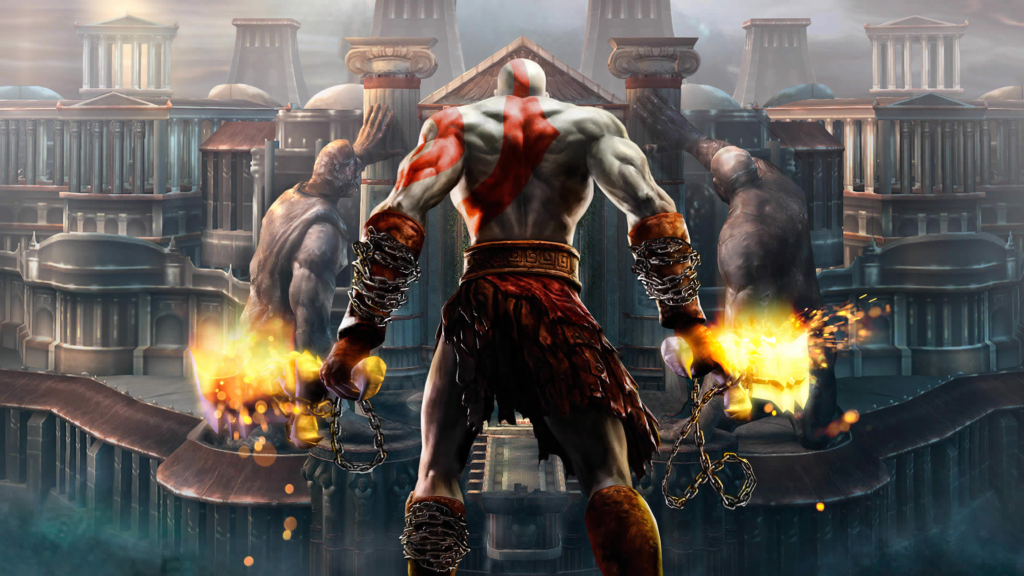
God of War II was already an impressive sequel, delivering brutal combat, elaborate boss battles, and an ambitious continuation of Kratos’ revenge-driven journey. It hardly needed an advertising stunt to make people interested.
Nevertheless, Sony became involved in a promotional event that attracted controversy for all the wrong reasons. At a press event in Greece associated with the game’s marketing, a real decapitated goat was used in a publicity stunt, with food placed inside the animal.
The event was intended to reinforce the game’s violent, ancient Greek atmosphere, but it crossed a line for many observers. Sony subsequently apologized for the incident.
The controversy generated attention, but it did nothing to explain why God of War II was worth playing. Its real strengths were its combat design, set pieces, and technical achievements on the PlayStation 2.
Looking back, the stunt feels particularly unnecessary. God of War had already established a strong identity, and the sequel had plenty of legitimate selling points that could have carried the campaign without such a disturbing promotional decision.
10. The Legend of Zelda: Ocarina of Time
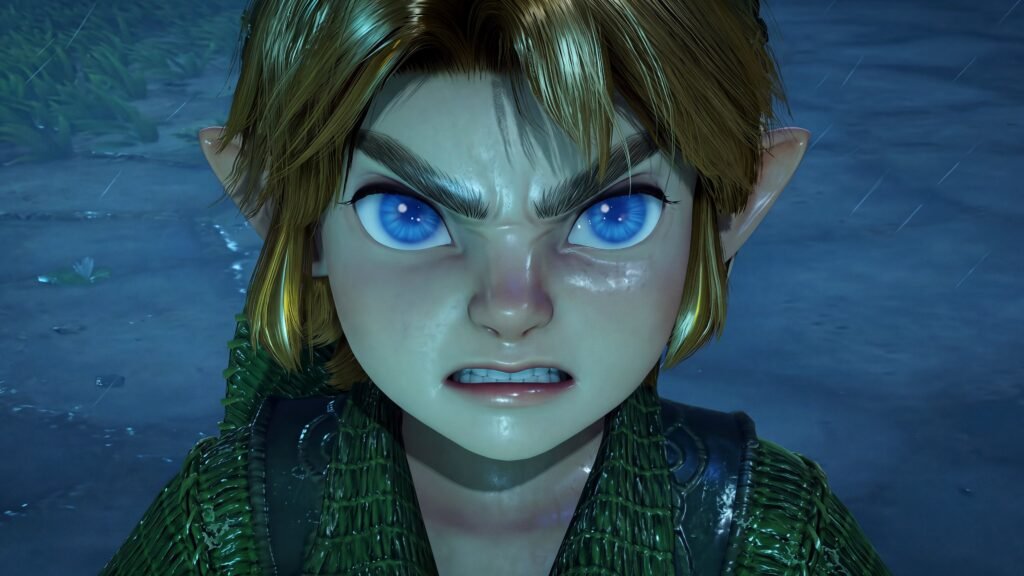
The Legend of Zelda: Ocarina of Time is frequently celebrated as one of the most influential video games ever made. Its world design, memorable dungeons, musical themes, and transition to three-dimensional exploration helped shape the future of adventure games.
Yet one British advertisement used a slogan that essentially challenged players to either get the girl or play like a girl. The message relied on an outdated stereotype that equated femininity with weakness.
It was an especially strange choice for Nintendo, a company whose games traditionally appealed to a broad audience. Rather than highlighting the adventure, puzzles, and exploration that made Ocarina of Time special, the advertisement attempted to sell the experience through gender-based provocation.
Fortunately, the game’s legacy proved far more durable than the campaign. Ocarina of Time became a landmark release, demonstrating that a poor advertising decision does not necessarily prevent an exceptional game from finding its audience.
11. Dead Space 2
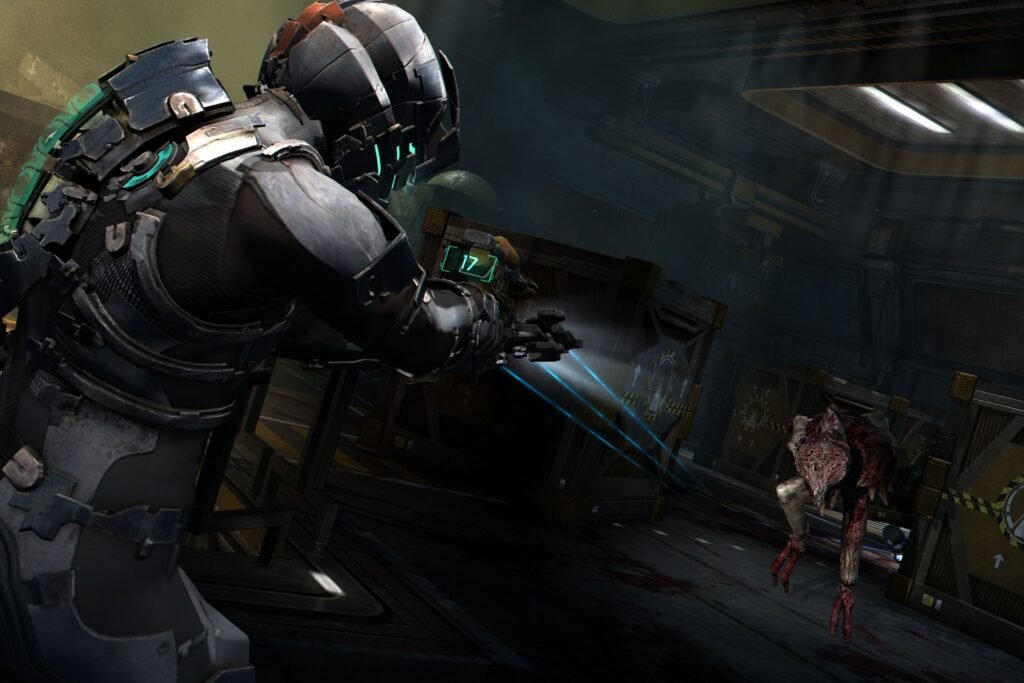
Dead Space 2 offered atmospheric science-fiction horror, disturbing enemies, tense combat, and a more developed story than its predecessor. Its marketing, however, chose to emphasize a much simpler message: mothers would hate the game.
The “Your Mum Hates Dead Space 2” campaign showed mothers reacting to violent scenes from the game. The idea was to make Dead Space 2 seem rebellious and outrageous to younger players by presenting it as something their parents would disapprove of.
Although the campaign was memorable, it risked reducing a sophisticated horror experience to a collection of shocking moments. The game’s carefully constructed atmosphere, survival mechanics, and storytelling deserved more attention.
Dead Space 2 received positive reviews, but its commercial performance reportedly fell short of EA’s expectations. Its marketing was not necessarily the sole reason for that outcome, but the campaign illustrates how a provocative advertising concept can distract from the qualities that make a game genuinely compelling.
12. Dante’s Inferno
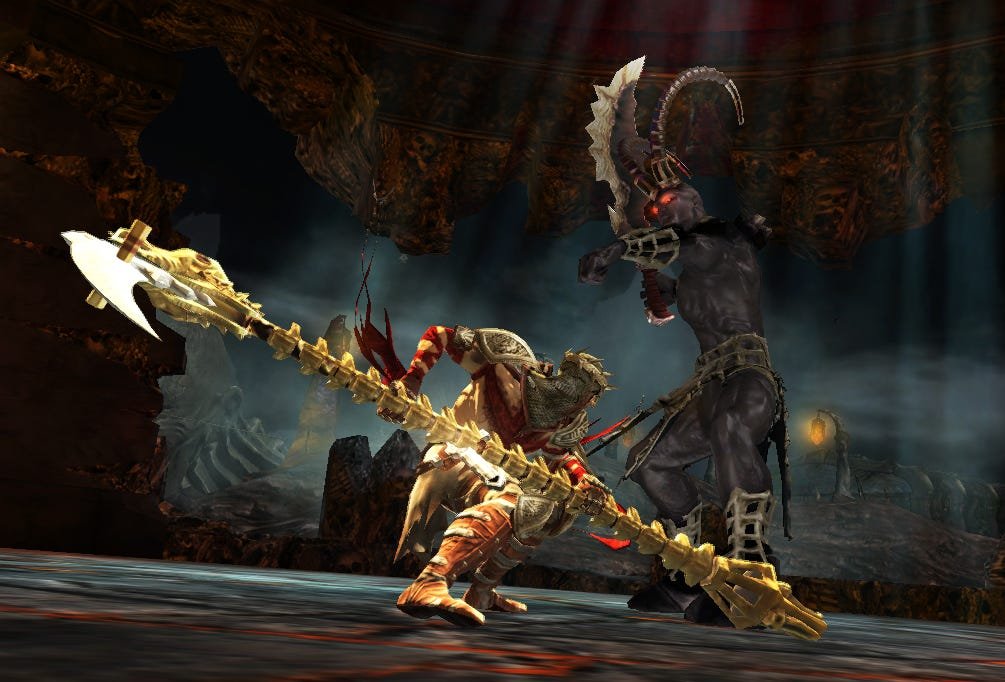
Dante’s Inferno drew inspiration from Dante Alighieri’s Divine Comedy, transforming the famous literary journey through Hell into a violent action-adventure game. Its dark imagery and religious themes offered plenty of material for a provocative marketing campaign.
EA decided to push those themes further with a publicity stunt involving a staged protest at E3. The event was presented as opposition to the game’s religious content, creating the impression that real demonstrators were objecting to its subject matter.
The protest was later revealed to be part of the marketing campaign itself. Instead of allowing genuine public debate to develop naturally, the publisher had manufactured controversy to generate attention.
The stunt certainly made headlines, but attention does not necessarily translate into sales. Dante’s Inferno failed to become the major franchise EA had hoped for, and a planned sequel never materialized.
Its marketing remains an example of how attempting to manufacture outrage can undermine a product rather than strengthen its appeal.
13. Burnout 2: Point of Impact
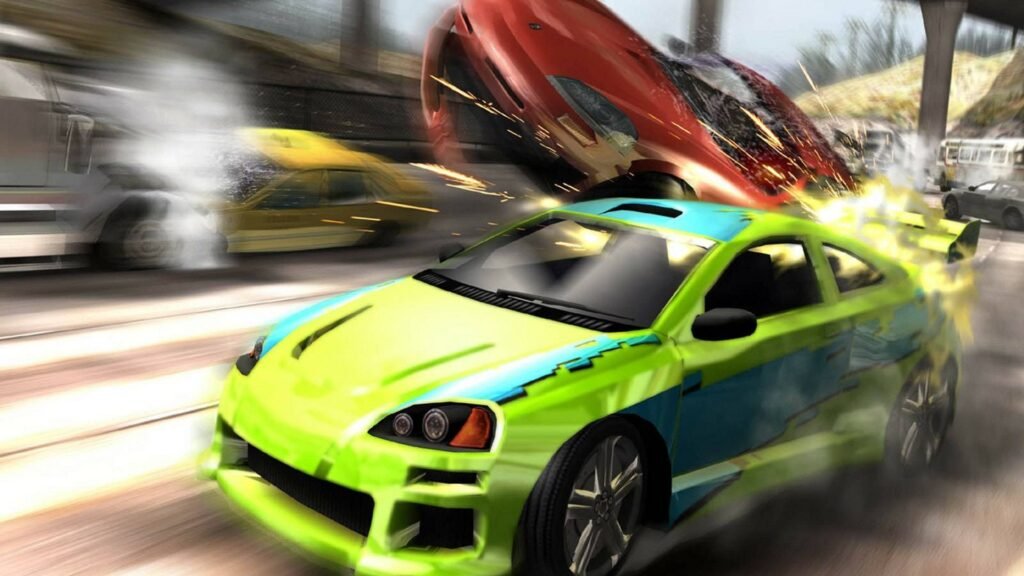
Burnout 2: Point of Impact built its appeal around high-speed racing, spectacular crashes, and the thrill of driving dangerously within a fictional environment. Its publisher, Acclaim, came up with a promotional idea that blurred the line between a video game stunt and real-world driving behavior.
The company proposed paying speeding fines for motorists in the United Kingdom as part of its marketing efforts. The idea was intended to draw attention to a game built around reckless driving, but it raised obvious concerns about encouraging irresponsible behavior on public roads.
Authorities were unhappy with the proposal, and the campaign attracted criticism rather than simply generating excitement about the game.
There was a much better way to promote Burnout 2: showcase its dramatic crashes, fast races, and skill-based mechanics. Those were the reasons players enjoyed the series, and they did not require a real-world stunt involving traffic violations.
The episode remains one of the more questionable examples of Acclaim’s aggressive promotional style.
14. Shadow Man: 2econd Coming
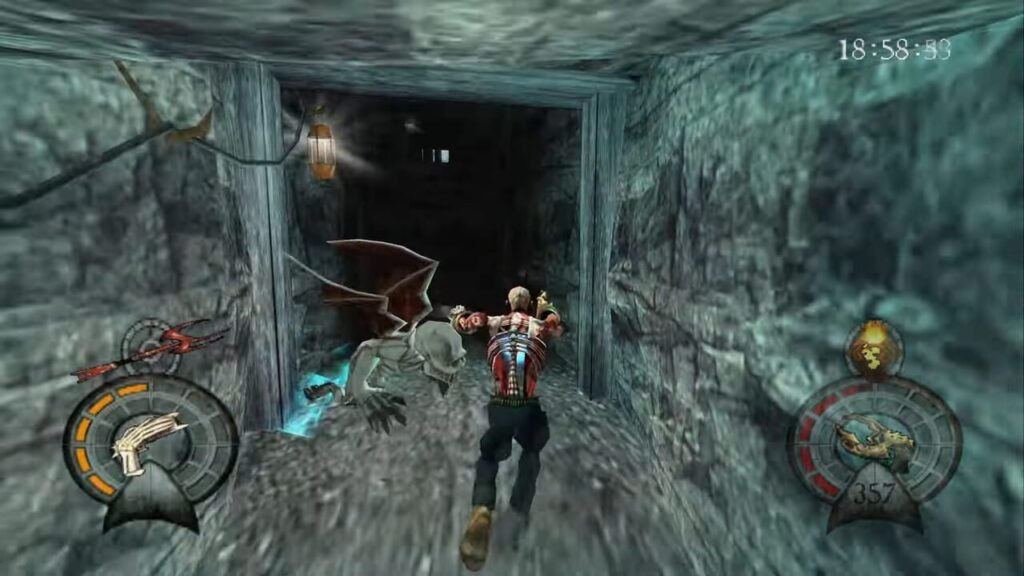
Shadow Man: 2econd Coming had a dark supernatural atmosphere, making it a natural candidate for edgy advertising. Acclaim, however, reportedly explored a promotional idea that went far beyond ordinary video game marketing.
The company proposed paying families to place advertisements for the game on the gravestones of deceased relatives. The idea was presented as a form of unconventional advertising, with the additional argument that payments could help families cover funeral expenses.
Predictably, the proposal raised serious questions about taste, respect, and the limits of advertising. A video game advertisement is one thing; placing commercial messages on the graves of loved ones is quite another.
There is no indication that the plan became a widespread advertising campaign. Nevertheless, the proposal illustrates how the search for publicity can lead companies toward ideas that attract criticism without making a game more appealing.
Shadow Man: 2econd Coming failed to achieve the commercial success its publisher needed. Acclaim later went bankrupt in 2004, although its collapse had broader financial and business causes rather than a single marketing mistake.
These 14 games demonstrate that a strong product and a successful marketing campaign are two very different things. Titanfall 2 suffered from an unfavorable release window, Guardians of the Galaxy struggled with expectations shaped by another Marvel game, and DmC: Devil May Cry faced a backlash over its reimagined identity. Meanwhile, campaigns for God of War II, Dante’s Inferno, Burnout 2, and Shadow Man: 2econd Coming showed how publicity stunts can become distractions of their own.
Not every game on this list was unsuccessful for the same reason, and marketing was rarely the only factor behind its commercial performance. Competition, budgets, audience expectations, and broader market conditions also played important roles.
Still, the common lesson is clear: great games need marketing that communicates their strengths, reaches the right audience, and gives players a compelling reason to care. When publishers lose sight of that goal, even an excellent game can struggle to get the recognition it deserves.
“From motion-controlled masterpieces to groundbreaking platformers, the Nintendo Wii defined an era of gaming. Here are 15 timeless classics that proved motion controls were far more than just a gimmick.”