Popular Video Games of the 1990s: 15 Games That Defined a Generation
Discover 15 popular video games of the 1990s, from Super Mario World and Doom to Final Fantasy VII, Pokémon, Metal Gear Solid, and Ocarina of Time.
Discover Popular Video Games of the 1990s: 15 Games That Defined a Generation in this comprehensive retrospective. The 1990s were one of the most important decades in video game history. Games evolved from relatively simple 2D experiences into ambitious adventures with cinematic storytelling, fully realized 3D worlds, online multiplayer, deeper role-playing systems, and more sophisticated gameplay mechanics. It was also a decade when video games became a much bigger part of mainstream culture.
From Nintendo and Sega to Sony, Capcom, Square, Valve, and Blizzard, developers were experimenting with new ideas almost every year. The result was a remarkable collection of games that are still remembered and played today.
Some of the most acclaimed games of the decade include The Legend of Zelda: Ocarina of Time, Super Mario 64, Final Fantasy VII, Doom, Super Metroid, Street Fighter II, Metal Gear Solid, Half-Life, and StarCraft.
Here are 15 popular video games from the 1990s that helped define the era.
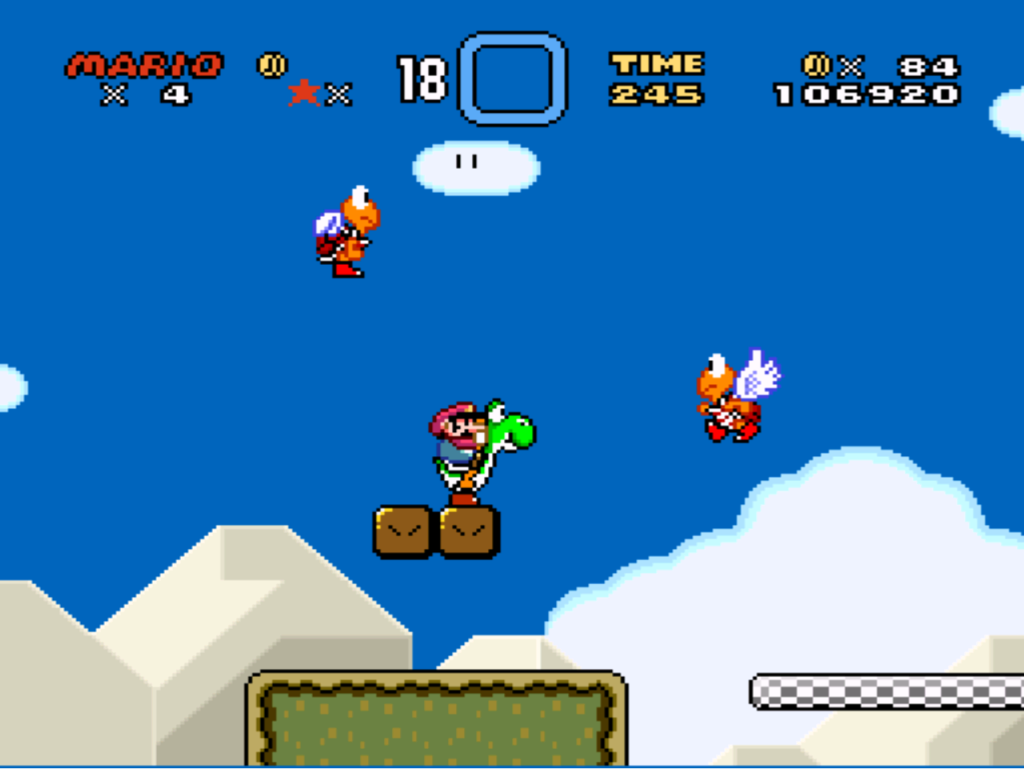
1. Super Mario World (1990)
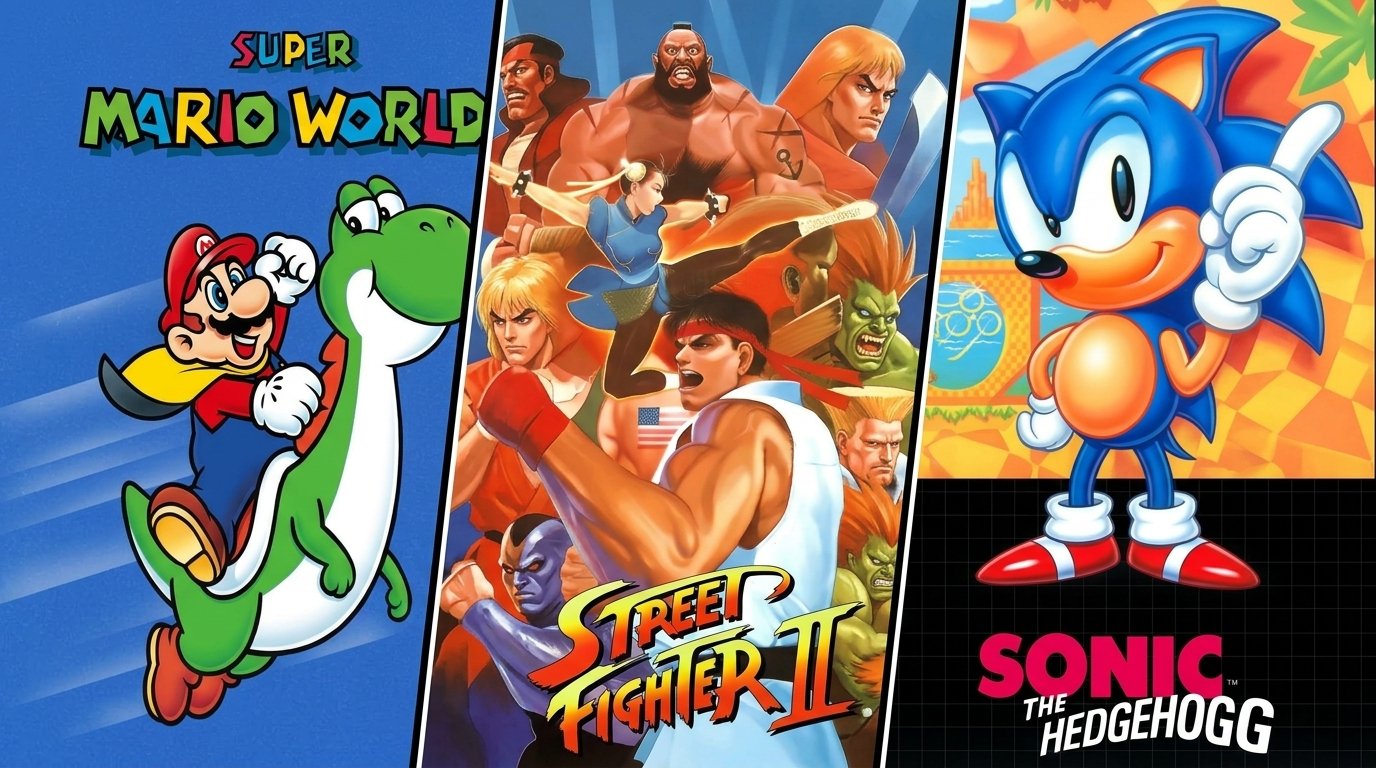
Super Mario World was one of the defining platformers of the early 1990s. Released for the Super Nintendo Entertainment System, it expanded the traditional Mario formula with a much larger world, secret exits, hidden paths, and the introduction of Yoshi.
The game was easy to understand but surprisingly deep for players who wanted to discover everything. Its colorful environments, precise controls, memorable music, and clever level design helped establish it as one of Nintendo’s most enduring games.
Even decades later, Super Mario World remains an excellent example of how a simple platforming concept can be refined almost to perfection.
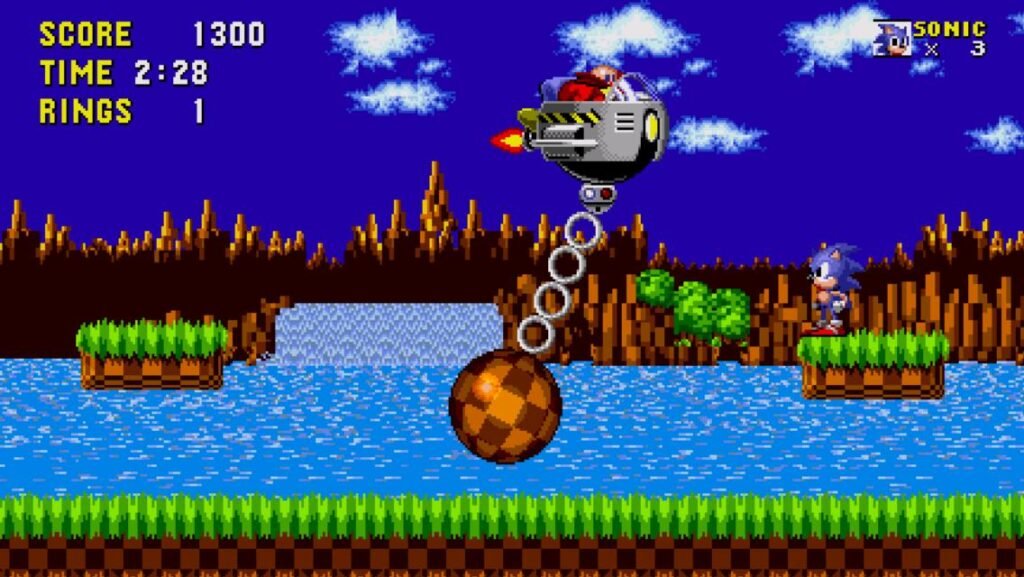
2. Sonic the Hedgehog (1991)
Sega introduced Sonic the Hedgehog as a direct rival to Nintendo’s Mario, but Sonic quickly became much more than a mascot.
The original Sonic the Hedgehog focused on speed, momentum, and fast-paced platforming. Its bright visual style and energetic soundtrack gave it a personality very different from Nintendo’s slower and more methodical platformers.
Sonic also became an important part of 1990s pop culture. The character’s popularity helped Sega compete aggressively in the console market and established a franchise that remains recognizable today.
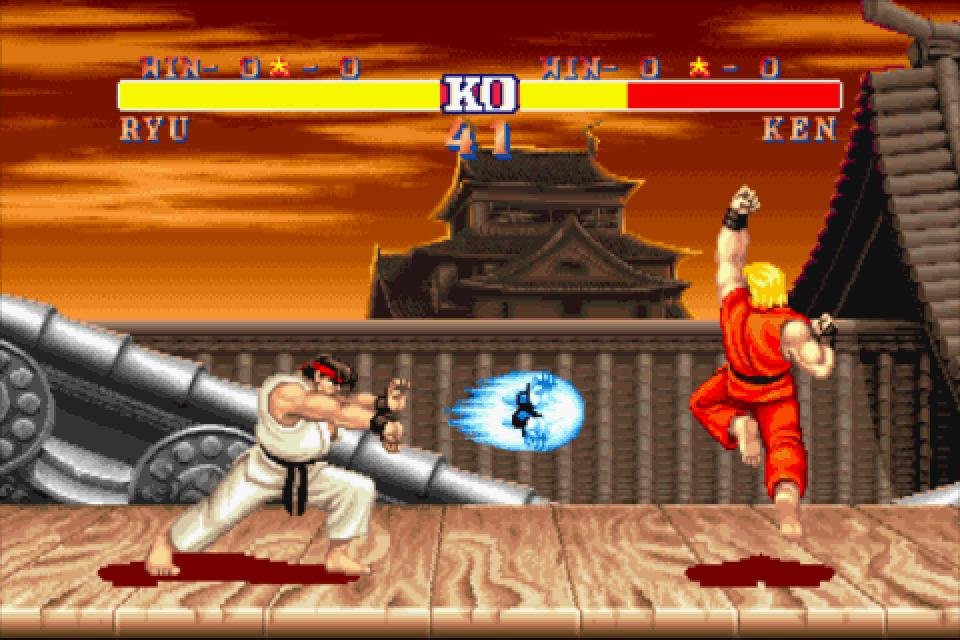
3. Street Fighter II (1991)
Few arcade games had the cultural impact of Street Fighter II. Capcom’s fighting game turned competitive one-on-one combat into a global phenomenon.
Players could choose from a roster of distinctive characters, each with different moves, strengths, and weaknesses. Learning special attacks was only the beginning; mastering timing, spacing, combos, and matchups gave the game remarkable depth.
Its success also helped establish the fighting game genre as one of the most important arcade genres of the decade. Street Fighter II was among the most acclaimed 1990s games and became a major influence on countless fighting games that followed.
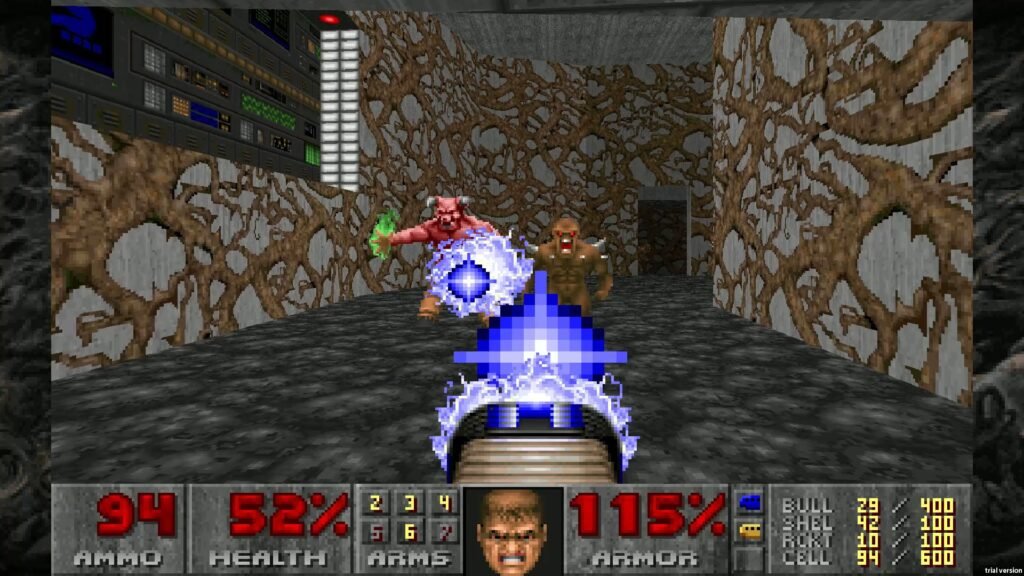
4. Doom (1993)
Doom changed the perception of first-person shooters. Developed by id Software, it placed players in a fast and violent science-fiction nightmare filled with demons, weapons, secrets, and maze-like environments.
The game was technically impressive for its time, but its biggest achievement was how effectively it made first-person combat feel immediate and exciting.
Doom also helped popularize multiplayer gaming and user-created content. Its influence can still be seen in modern shooters, while the term “Doom-like” became a common way of describing early first-person shooters.
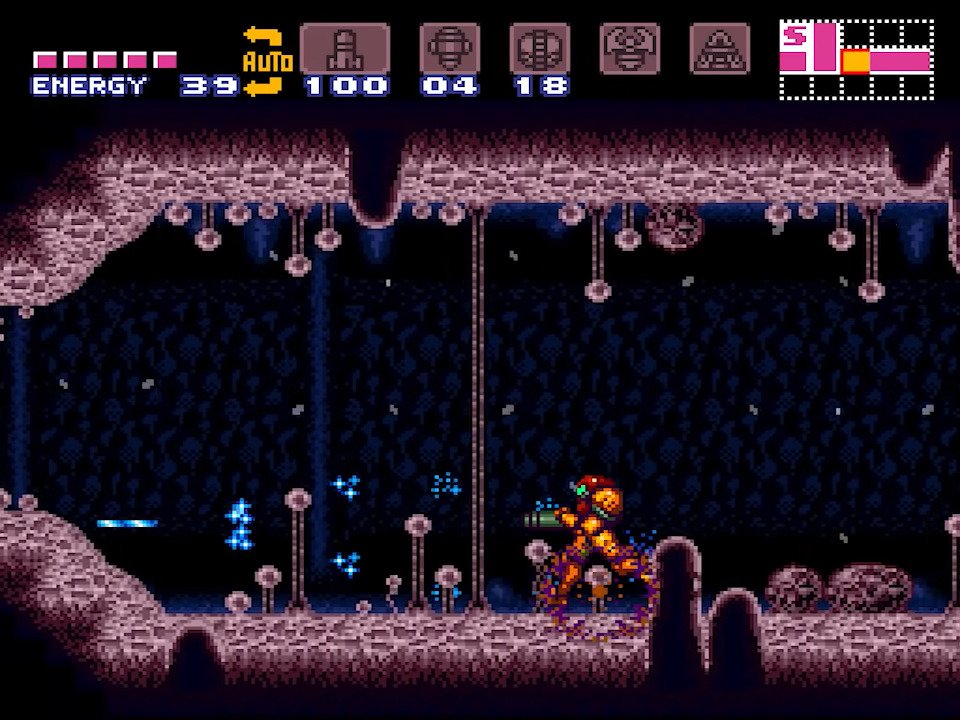
5. Super Metroid (1994)
Super Metroid took exploration to another level. Instead of simply moving from one stage to another, players explored a huge interconnected world as Samus Aran.
Progress often depended on finding new abilities that opened previously inaccessible areas. This created a satisfying cycle of exploration, discovery, and backtracking.
Its atmosphere was equally important. The lonely environments, subtle storytelling, atmospheric music, and mysterious world gave Super Metroid a distinct personality.
The game eventually became one of the foundations of what would later be called the Metroidvania genre.
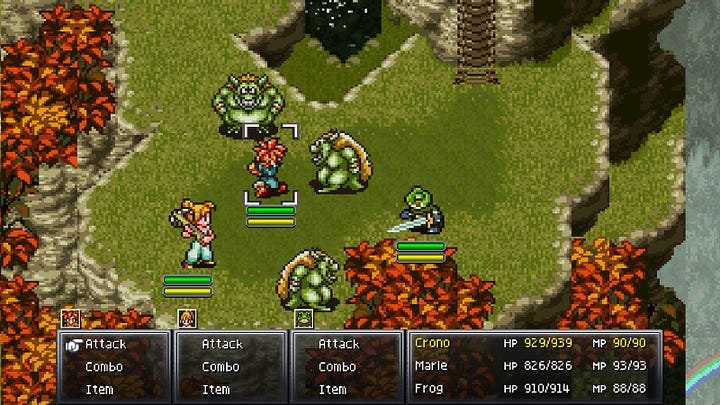
6. Chrono Trigger (1995)
Square’s Chrono Trigger remains one of the most beloved Japanese role-playing games of the 1990s.
Its story revolves around time travel, allowing players to visit different periods and influence events across history. Rather than relying solely on traditional fantasy settings, the game constantly changed its environments and introduced new ideas.
Its characters, multiple endings, memorable soundtrack, and innovative combat system gave the game enormous replay value.
More importantly, Chrono Trigger demonstrated how a role-playing game could tell a large-scale story without losing its sense of adventure and personality.
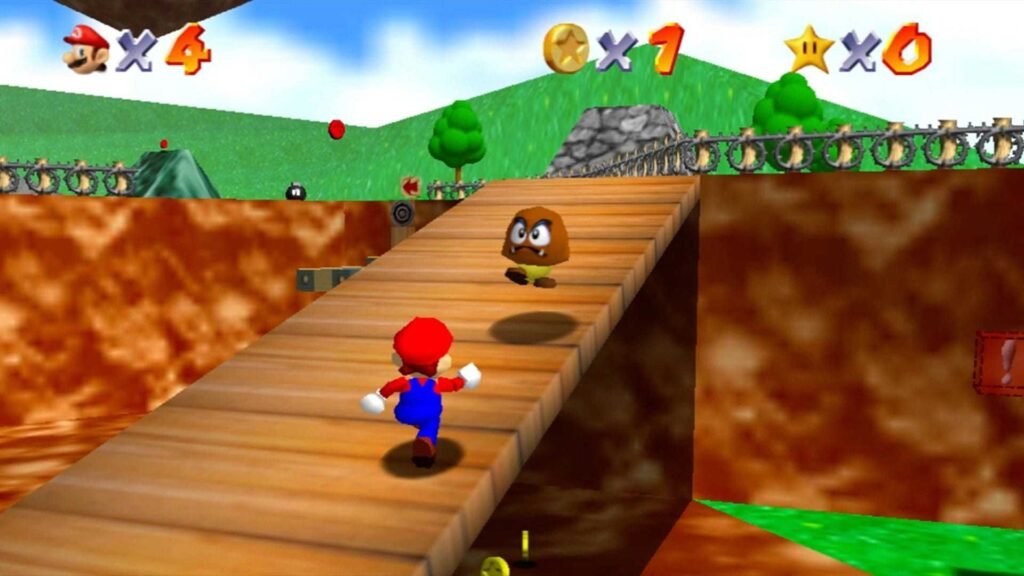
7. Super Mario 64 (1996)
Super Mario 64 was one of the biggest turning points of the decade. Nintendo successfully translated Mario’s traditional 2D platforming into a fully 3D environment.
Instead of simply running from left to right, players could freely explore Peach’s castle and a collection of open-ended worlds. Mario’s movement became more expressive, with jumping, diving, swimming, wall kicks, and other abilities allowing players to interact with the environment in new ways.
The game became one of the defining titles of the Nintendo 64 era and remains one of the most influential 3D platformers ever created. It also ranks extremely highly on modern retrospective lists of 1990s games.
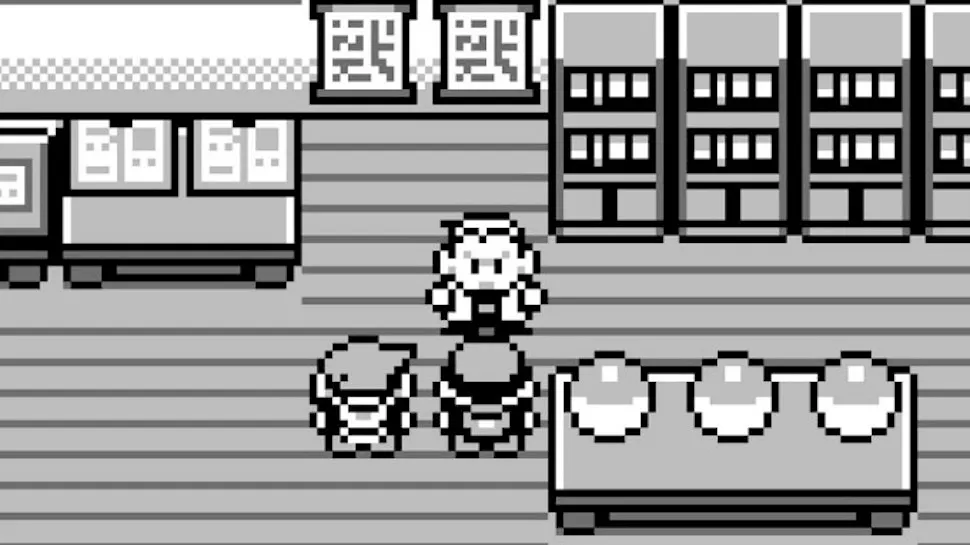
8. Pokémon Red and Blue (1996)
Pokémon Red and Blue transformed handheld gaming into a social experience.
Players explored the Pokémon world, captured creatures, trained them, battled other trainers, and attempted to complete their Pokédex. The ability to trade Pokémon with another player using the Game Boy Link Cable added an important social element.
The concept was simple enough for younger players to understand but deep enough to keep players experimenting with different teams.
The Pokémon phenomenon quickly expanded beyond video games into trading cards, television, toys, movies, and merchandise. Pokémon became one of the biggest entertainment franchises of the decade.
9. Resident Evil (1996)
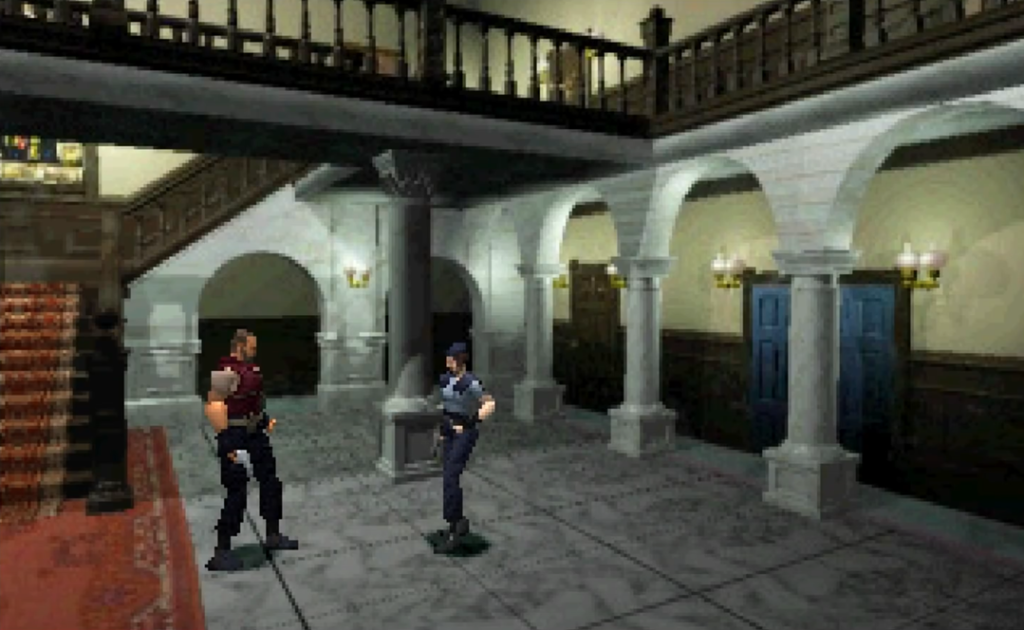
Capcom’s Resident Evil helped establish survival horror as a major video game genre.
Set primarily inside a mysterious mansion, the game combined exploration, puzzles, limited resources, combat, and horror. Ammunition was often scarce, forcing players to think carefully about whether every enemy was worth fighting.
Its fixed camera angles and pre-rendered environments created tension by limiting what players could see. The result was an experience where simply walking through a hallway could become frightening.
Resident Evil was also one of the notable commercial successes of 1996, showing that horror games could become major mainstream releases.
10. Tomb Raider (1996)
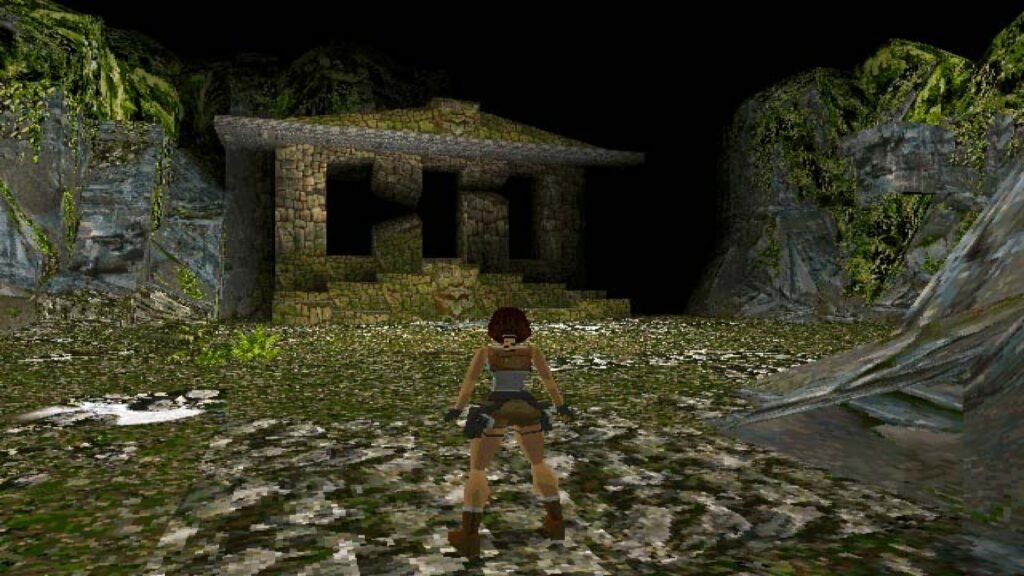
Lara Croft quickly became one of gaming’s most recognizable characters after the release of Tomb Raider.
The game combined platforming, exploration, environmental puzzles, and combat while placing players inside ancient ruins and dangerous locations. Lara’s movement and acrobatic abilities were central to the experience.
Tomb Raider also demonstrated that video game characters could become genuine pop-culture icons. Lara Croft eventually appeared in movies, comics, merchandise, and numerous games.
For many players, the original Tomb Raider represented a new generation of adventure games.
11. Final Fantasy VII (1997)
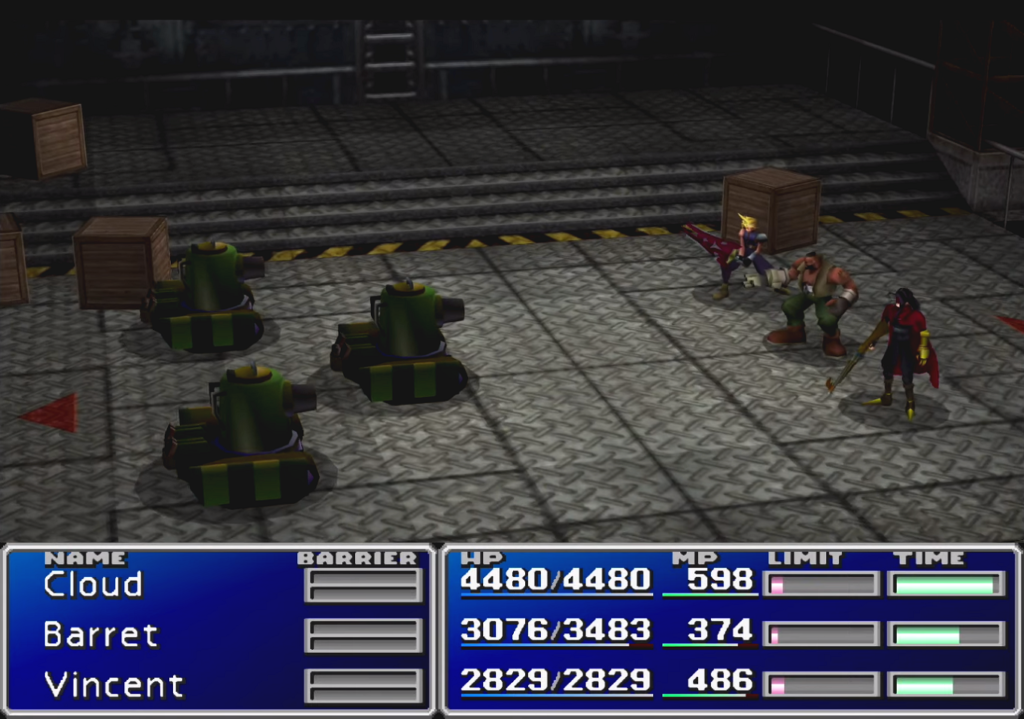
Final Fantasy VII was a landmark release for both Square and the original PlayStation.
The game followed Cloud Strife and a group of allies as they became involved in a conflict involving Shinra, environmental destruction, and the mysterious Sephiroth. Its themes were considerably more mature than those found in many earlier console RPGs.
The move to 3D graphics and the use of pre-rendered backgrounds and cinematic sequences helped give the game a scale that felt extraordinary at the time.
Its popularity also helped introduce Japanese role-playing games to a much larger international audience. Final Fantasy VII was one of the biggest home video games of 1997 and remains one of the most influential RPGs of its generation.
12. GoldenEye 007 (1997)
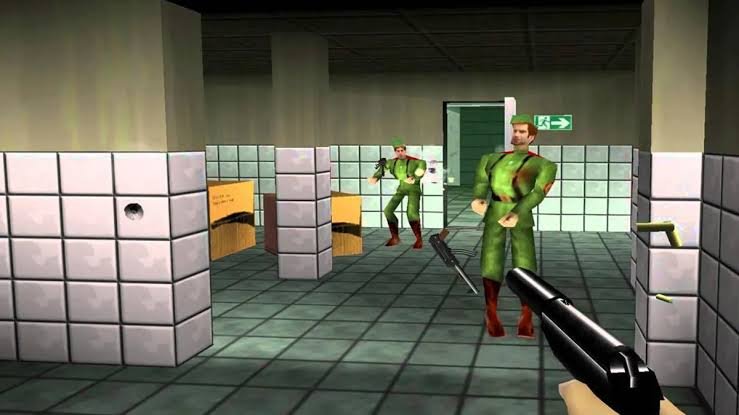
GoldenEye 007 proved that a console first-person shooter could offer more than a simple single-player campaign.
Based on the James Bond film, the Nintendo 64 game featured missions inspired by the movie while adding objectives, weapons, stealth elements, and a hugely popular multiplayer mode.
Four-player split-screen multiplayer became the game’s defining feature for many players. Friends could gather around the same television and compete for hours.
The game became one of the standout commercial successes of 1997 and was also among the most recognizable multiplayer experiences of the Nintendo 64 era.
13. Metal Gear Solid (1998)
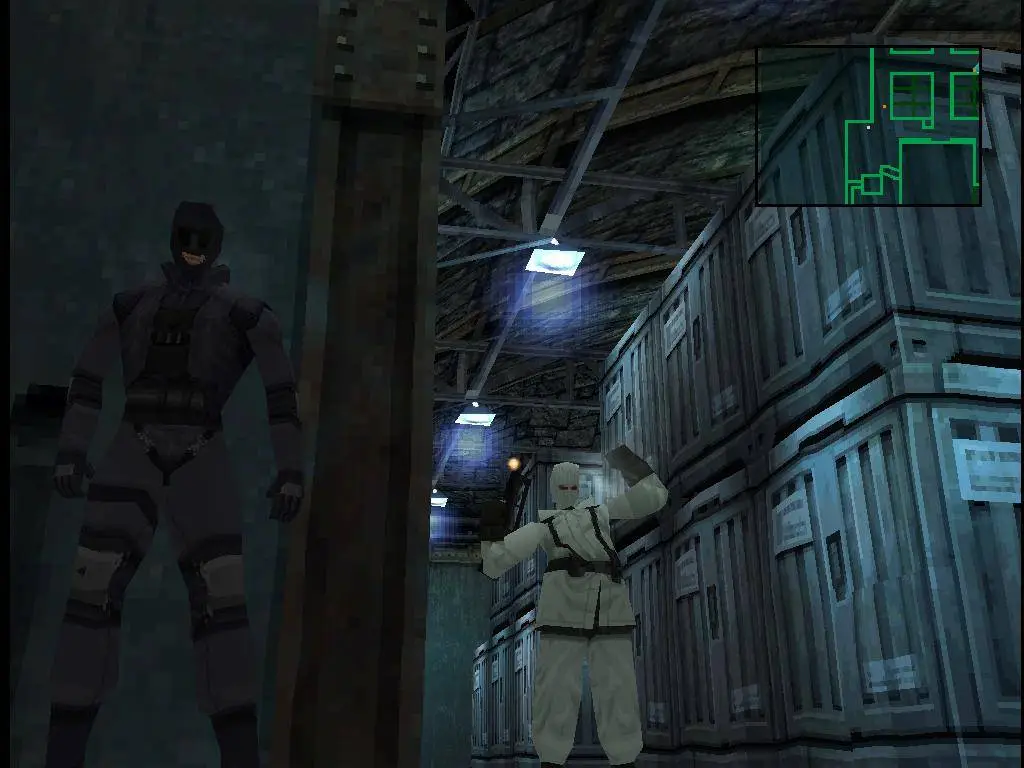
Metal Gear Solid brought cinematic storytelling and stealth gameplay together in a way that felt revolutionary in the late 1990s.
Players controlled Solid Snake as he infiltrated a heavily guarded facility while dealing with soldiers, surveillance systems, traps, and powerful enemies.
The game encouraged players to avoid unnecessary combat rather than simply shooting everything in sight. Its boss encounters and cinematic presentation also helped demonstrate how ambitious storytelling could become in a console game.
Metal Gear Solid remains one of the most highly regarded games of the decade and continues to influence modern stealth games.
14. The Legend of Zelda: Ocarina of Time (1998)
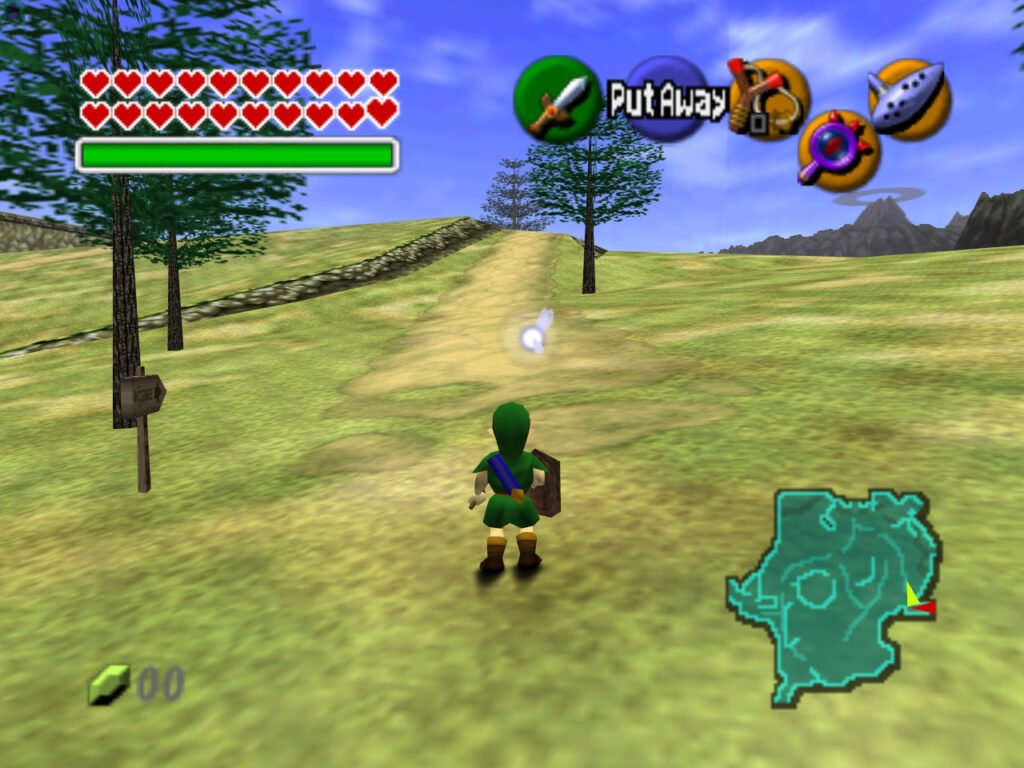
The Legend of Zelda: Ocarina of Time is arguably one of the clearest examples of the 1990s transition into 3D gaming.
Nintendo took the exploration, puzzles, combat, and adventure structure of earlier Zelda games and rebuilt it for a three-dimensional world. The result was Hyrule Field, dungeons designed around spatial exploration, horseback travel, and a lock-on combat system that made fighting in 3D much easier to control.
The game’s story followed Link across different stages of his life and gave players a much stronger sense of traveling through time.
It is frequently placed at or near the top of retrospective rankings of 1990s games.
15. Half-Life (1998)
Valve’s Half-Life changed expectations for first-person shooters.
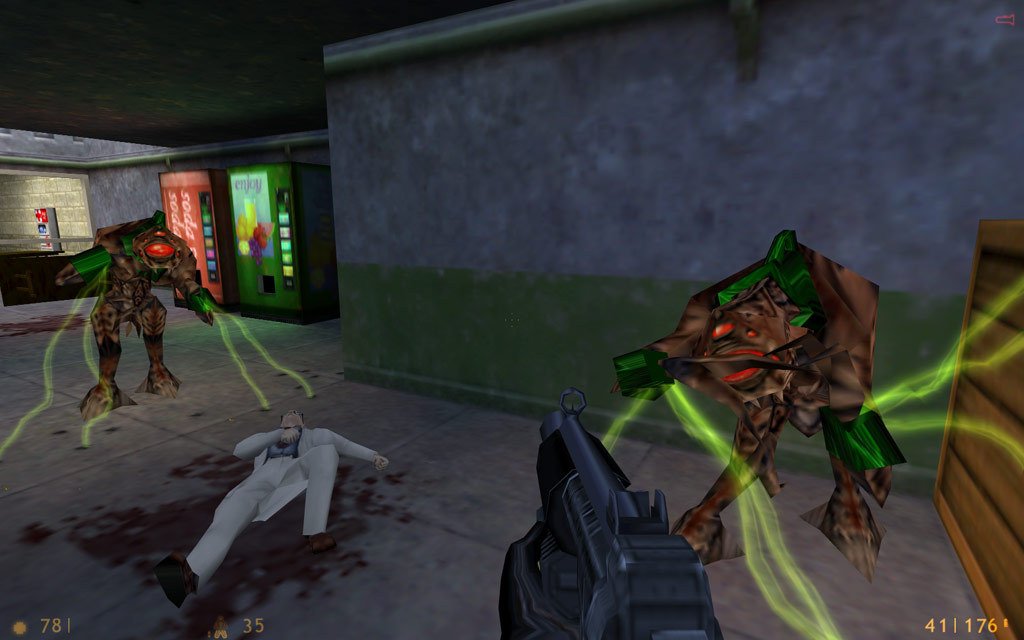
Instead of dividing the campaign into simple shooting arenas, the game attempted to create a continuous narrative experience. Players controlled Gordon Freeman during a disastrous scientific experiment that opened a gateway to an alien dimension.
The game rarely interrupted the action with traditional cinematic cutscenes. Story events happened around the player, making the world feel more connected and immersive.
Its influence extended far beyond its original release, particularly through its approach to environmental storytelling, scripted sequences, and first-person narrative design. Half-Life remains one of the most highly regarded games from the decade.
Why the 1990s Were So Important for Video Games
The popularity of these games was not simply the result of better hardware. The 1990s were a period of experimentation in which developers were discovering what video games could become.
Nintendo demonstrated how 3D worlds could work with Super Mario 64 and Ocarina of Time. Square showed how cinematic storytelling could strengthen an RPG with Final Fantasy VII. id Software pushed first-person shooters forward with Doom, while Valve later expanded the genre’s storytelling possibilities with Half-Life.
Meanwhile, games such as Pokémon Red and Blue, Street Fighter II, and GoldenEye 007 demonstrated the importance of social gaming and competition.
The decade also saw the rise of PlayStation and Nintendo 64, while PC gaming became increasingly influential. According to retrospective rankings, games such as Ocarina of Time, Super Mario 64, Final Fantasy VII, Doom, Super Metroid, and Metal Gear Solid remain among the most acclaimed releases of the era.
The Legacy of 1990s Video Games
Looking back, the most impressive thing about 1990s video games is how many modern gaming conventions can be traced directly to this period.
Open-ended 3D platforming, cinematic RPGs, survival horror, stealth games, competitive fighters, first-person shooters, creature-collecting RPGs, and large-scale strategy games all developed significantly during the decade.
Some of these games have been remastered or remade, while others continue to inspire new generations of developers. Their graphics may look dated today, but their ideas often remain remarkably fresh.
That is ultimately why the most popular video games of the 1990s continue to matter. They were not simply successful games for their time. Many of them helped establish the foundations on which modern gaming was built.
“From legendary heroes to unforgettable villains, explore the rich backgrounds and lasting legacies of the most beloved video game characters of all time. Dive into the stories that shaped gaming history.”