Resident Evil vs. Silent Hill: How Two Horror Giants Evolved
Resident Evil vs Silent Hill: discover how two survival horror giants evolved, from resource management and action to psychological horror.
When gamers debate Resident Evil vs Silent Hill, the conversation usually turns into a competition. Which series is scarier? Which one had the better games? Which franchise changed survival horror more?
But there is a problem with that comparison: Resident Evil and Silent Hill were never really trying to achieve the same thing.
For nearly three decades, the two franchises have represented very different sides of horror. Resident Evil makes you worry about the bullets left in your magazine, the healing items in your inventory, and whether you can afford to fight the creature standing between you and the next room.
Silent Hill asks a much less comfortable question: Why is that creature here in the first place?
That distinction explains why both franchises have survived multiple generations of hardware, changing trends and their own creative missteps.
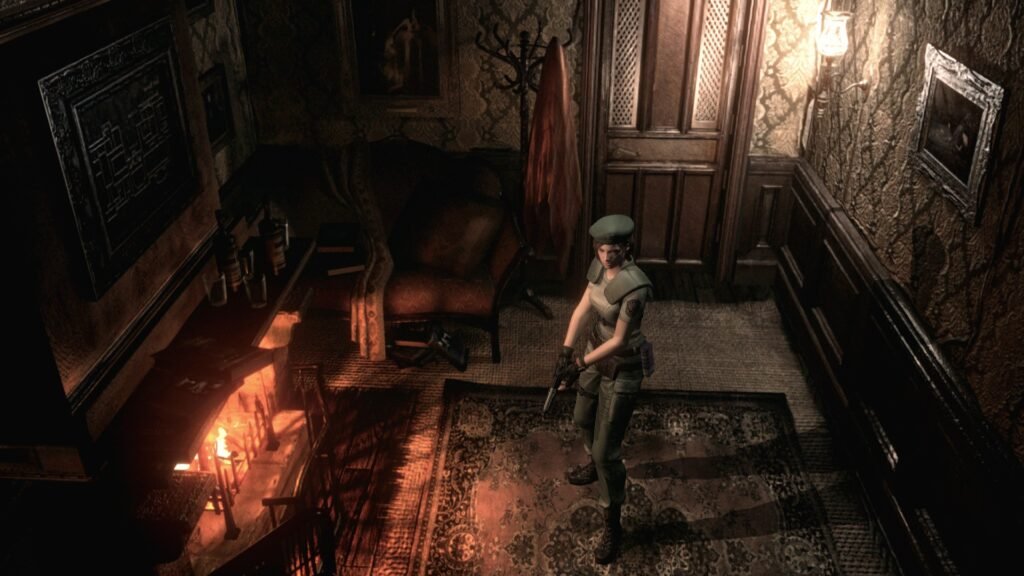
Resident Evil: Survival Comes First
The original Resident Evil, released in 1996, built its horror around restriction. The mansion was frightening partly because you were never completely prepared for what came next. Ammunition was limited, inventory space was precious, and healing items could not simply be wasted.
Even an ordinary zombie could become a problem when you were forced to decide whether killing it was worth the resources.
That design philosophy became one of the defining characteristics of classic survival horror. Resident Evil 2 and Resident Evil 3 expanded the formula, but the basic idea remained intact: the player should never feel completely comfortable.
Eventually, however, the series needed to evolve.
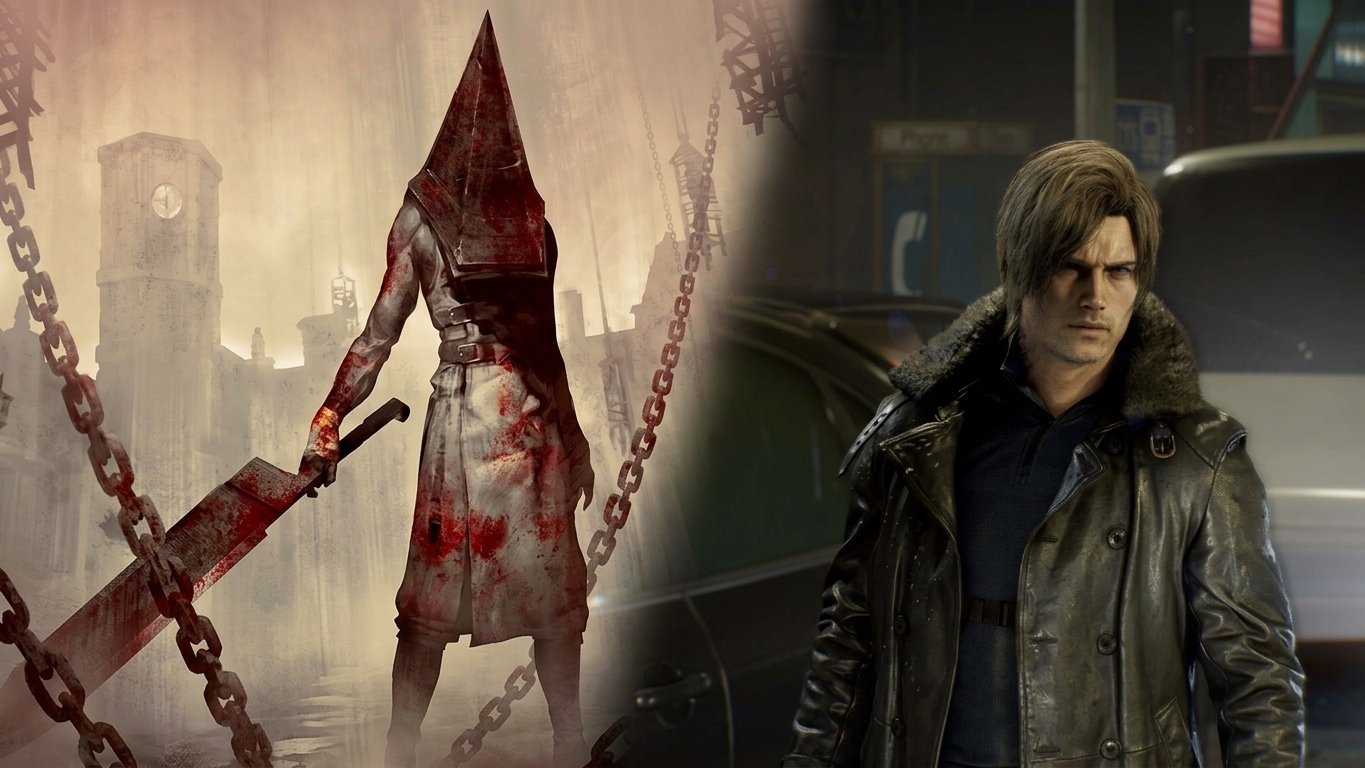
Resident Evil 4 was the turning point. The fixed camera disappeared, the perspective moved behind the character, combat became faster and more precise, and the franchise embraced action on a much larger scale. The change was enormously influential, but it also pushed Resident Evil further away from the survival horror roots that defined its early years.
Resident Evil 5 continued that trend, while Resident Evil 6 pushed the action-heavy approach even further. At that point, the series sometimes felt closer to an exaggerated blockbuster than a horror game.
Capcom eventually recognized that the solution was not to abandon the franchise’s identity, but to rediscover what made it uncomfortable in the first place.
Resident Evil 7: Biohazard did exactly that.
The first-person perspective changed the way players experienced the world, while the Baker family replaced the enormous global-scale threats of previous games with something much more personal. Instead of immediately throwing players into a massive conspiracy, the game trapped them inside an unpleasant house and made exploration feel dangerous again.
The remakes of Resident Evil 2, Resident Evil 3 and Resident Evil 4 continued this process in different ways, proving that the series could modernize its gameplay without completely losing its identity.
At its core, Resident Evil still understands one simple principle:
Fear works when the player feels unprepared.
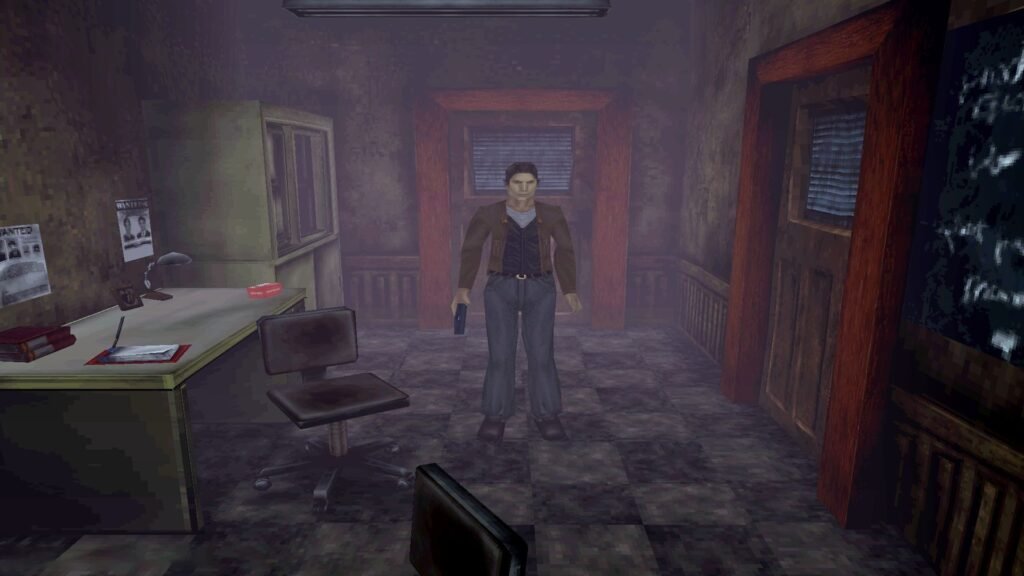
Silent Hill: Fear Comes From Within
Silent Hill took a very different route when it arrived in 1999.
The famous fog was initially a clever solution to the original PlayStation’s technical limitations. Yet what began as a practical trick quickly became one of the most recognizable elements of psychological horror in games.
The fog did more than hide distant objects. It created uncertainty.
You could hear something before you could see it. You could sense that something was nearby without knowing exactly where it was. The environment stopped feeling like a reliable place and became part of the horror itself.
That philosophy became even more important with Silent Hill 2.
James Sunderland’s journey is frightening not simply because of the monsters he encounters, but because the world seems connected to his own memories, guilt and suppressed emotions. The creatures are not merely enemies placed in the player’s path. Their appearance and behavior can be interpreted as reflections of the protagonist’s psychological state.
That is where Silent Hill differs most strongly from Resident Evil.
In Resident Evil, you might look at a monster and wonder what virus created it.
In Silent Hill, you are more likely to wonder:
What does this monster mean?
That question can stay with you long after the game is over.
Silent Hill 3 continued the original game’s story while introducing its own psychological and thematic ideas. Silent Hill 4: The Room pushed the formula in another direction, making the player’s own apartment increasingly threatening.
The series eventually struggled to maintain the same creative identity as different developers took over. Some later games borrowed the visual language of Silent Hill—fog, darkness, disturbing creatures and alternate worlds—without always understanding the ideas underneath those elements.
And that distinction matters.
You can recreate the fog.
You can recreate the rust.
You can create another terrifying monster.
But if there is no meaning behind those elements, it is difficult to recreate the feeling of Silent Hill.
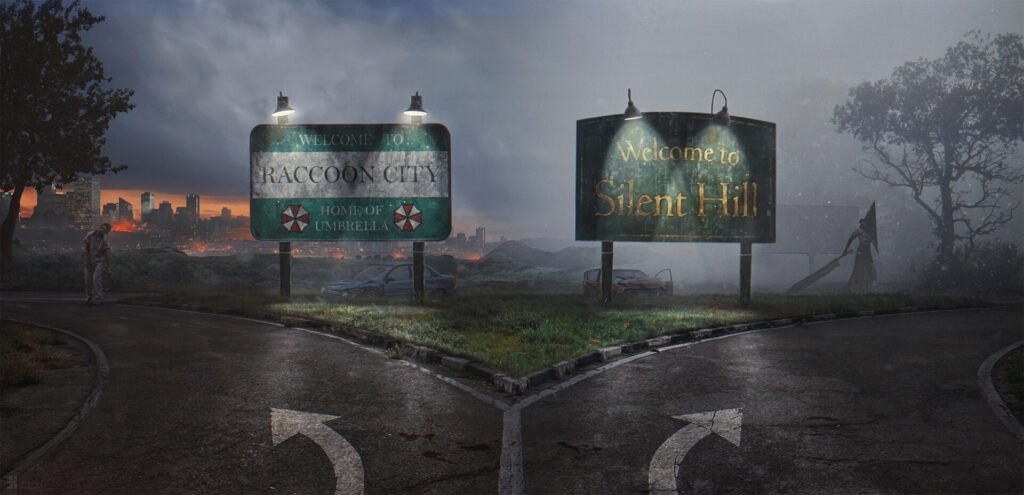
Two Different Approaches to Survival Horror
The easiest way to understand the difference between these franchises is to look at what each one asks the player to think about.
Resident Evil is primarily concerned with survival.
- How much ammunition do I have?
- Should I fight this enemy or avoid it?
- Do I have enough healing items?
- Should I save this powerful weapon?
- Will I need these resources later?
Every decision can have a mechanical consequence.
Silent Hill, meanwhile, is more interested in interpretation.
- Why does this place look like this?
- What does this creature represent?
- Why is this character experiencing these events?
- Can I trust what I am seeing?
- What happened before the game even began?
Resident Evil turns fear into a gameplay problem.
Silent Hill often turns fear into a psychological puzzle.
That does not mean Resident Evil has no psychological horror or that Silent Hill lacks traditional monsters. Both series have crossed those boundaries many times. The difference is where their center of gravity lies.
Resident Evil usually puts the danger in front of you.
Silent Hill has a habit of suggesting that the danger might already be inside you.
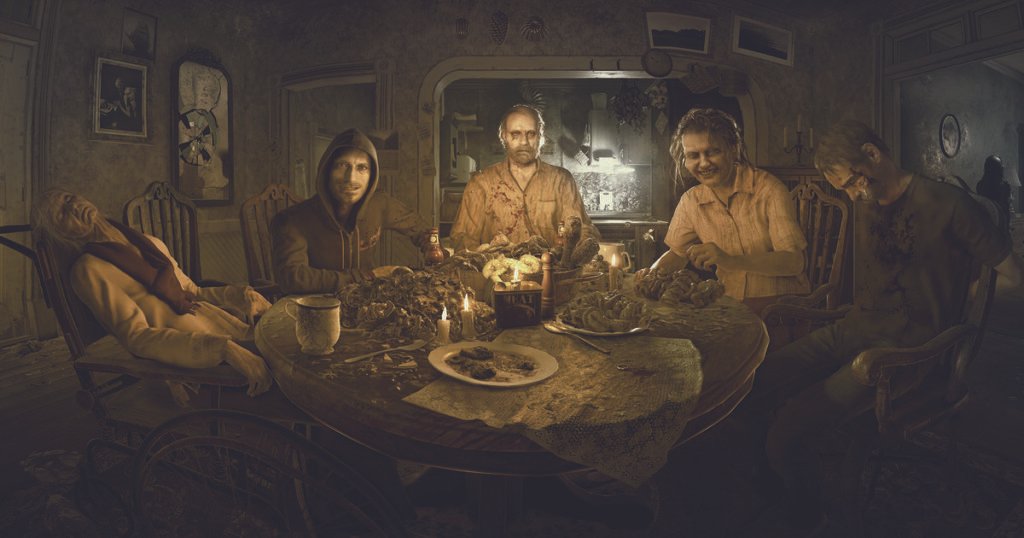
Resident Evil Found Its Way Back
One of the most impressive things about Resident Evil is how often the series has managed to reinvent itself without disappearing completely.
Capcom has experimented with action, first-person horror, remakes and traditional survival horror while maintaining a recognizable identity. Some experiments worked better than others, but the company learned from those shifts.
Resident Evil 7 was especially important because it proved that the franchise could become frightening again without simply copying the 1990s formula.
The modern remakes have followed a similar philosophy. They preserve recognizable characters, locations and story beats while rebuilding the actual experience around contemporary controls, presentation and level design.
Resident Evil’s biggest advantage may therefore be its willingness to change.
The franchise has not survived because it stayed exactly the same. It survived because Capcom has repeatedly asked what should remain and what can be discarded.
Silent Hill Is Taking a Different Road
Silent Hill’s recent revival has been considerably less straightforward.
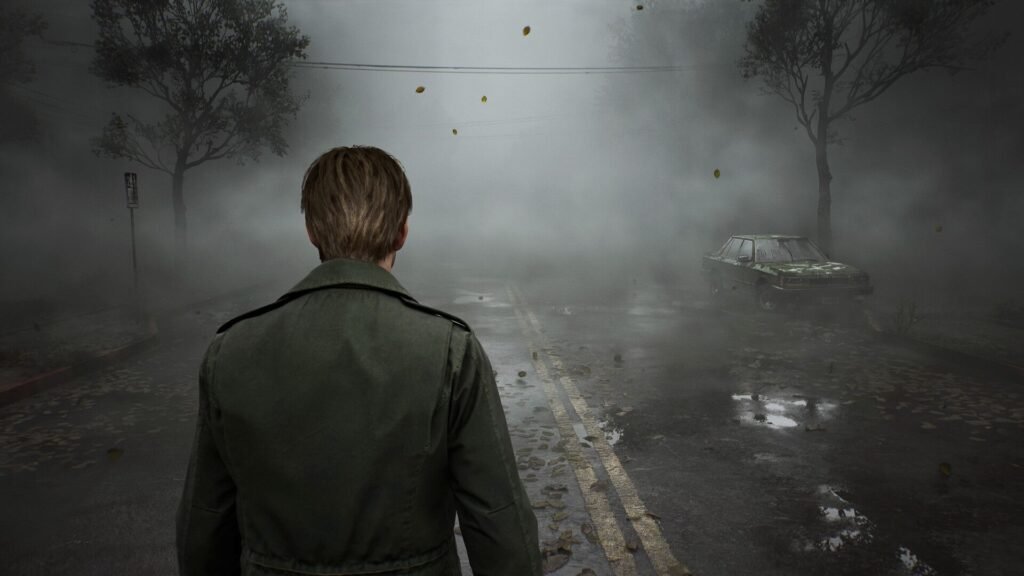
Instead of one consistent internal direction, the franchise has increasingly become a platform for different developers and interpretations. Silent Hill 2 Remake from Bloober Team demonstrated how a modern studio could revisit one of the most respected psychological horror games ever made. Other projects, including Silent Hill f and Silent Hill: Townfall, suggest that Konami is willing to explore different settings, characters and creative approaches.
That could ultimately be the right strategy for Silent Hill.
Trying to make every new entry look exactly like Silent Hill 2 would probably turn the franchise into a museum piece. The more interesting possibility is to preserve the series’ core ideas—psychological horror, symbolism, atmosphere and uncertainty—while allowing new creators to bring their own fears into the world.
Silent Hill does not necessarily need another Pyramid Head.
It needs another idea that makes players uncomfortable.
Which Series Is Actually Scarier?
There is no definitive answer, because the two franchises are frightening for different reasons.
Resident Evil is exceptionally good at creating immediate tension. A door opens. You hear something moving. Your ammunition is running low. You know there is a boss somewhere ahead, and your inventory is not nearly as prepared as you would like.
The fear is immediate and physical.
Silent Hill operates differently. Its strongest moments can be much quieter. A strange sound, an unsettling corridor or an image that seems impossible can become disturbing precisely because the game refuses to explain everything.
The horror can continue after you turn the console off.
That may be the biggest difference between them.
Resident Evil wants you to survive the nightmare.
Silent Hill wants you to understand why you are having it.
Why Horror Needs Both Resident Evil and Silent Hill
It is tempting to decide which franchise is the true king of survival horror, but that debate misses what makes both series important.
Resident Evil helped establish the idea that horror could be built around gameplay systems. Limited resources, inventory management, enemy placement and environmental design can make even a familiar hallway terrifying.
Silent Hill demonstrated that video games could use horror as a form of psychological storytelling. A monster could represent something. A location could reflect a character’s mind. Silence could be as important as combat.
Both approaches have influenced countless games since.
After almost thirty years, neither franchise has been perfect. Both have taken creative detours, lost some of their identity at different points and had to rediscover what made players care about them.
But perhaps that is exactly why they remain relevant.
Resident Evil keeps asking how far it can evolve without losing its survival horror foundation.
Silent Hill keeps asking what psychological horror can become when new creators are allowed to reinterpret it.
One makes you check your ammunition before opening the next door.
The other makes you wonder why you are opening that door at all.
And horror games are better because both exist.
“From 16-bit classics to the dawn of 3D polygon worlds, the 1990s revolutionized the gaming landscape. Step back in time with our curated list of 15 iconic titles that defined a generation and shaped the modern gaming industry.”