Why the Friday the 13th Game Shut Down
Discover the complete history of why the Friday the 13th game shut down. Explore the tragic legal battle that destroyed the ultimate asymmetrical horror experience.

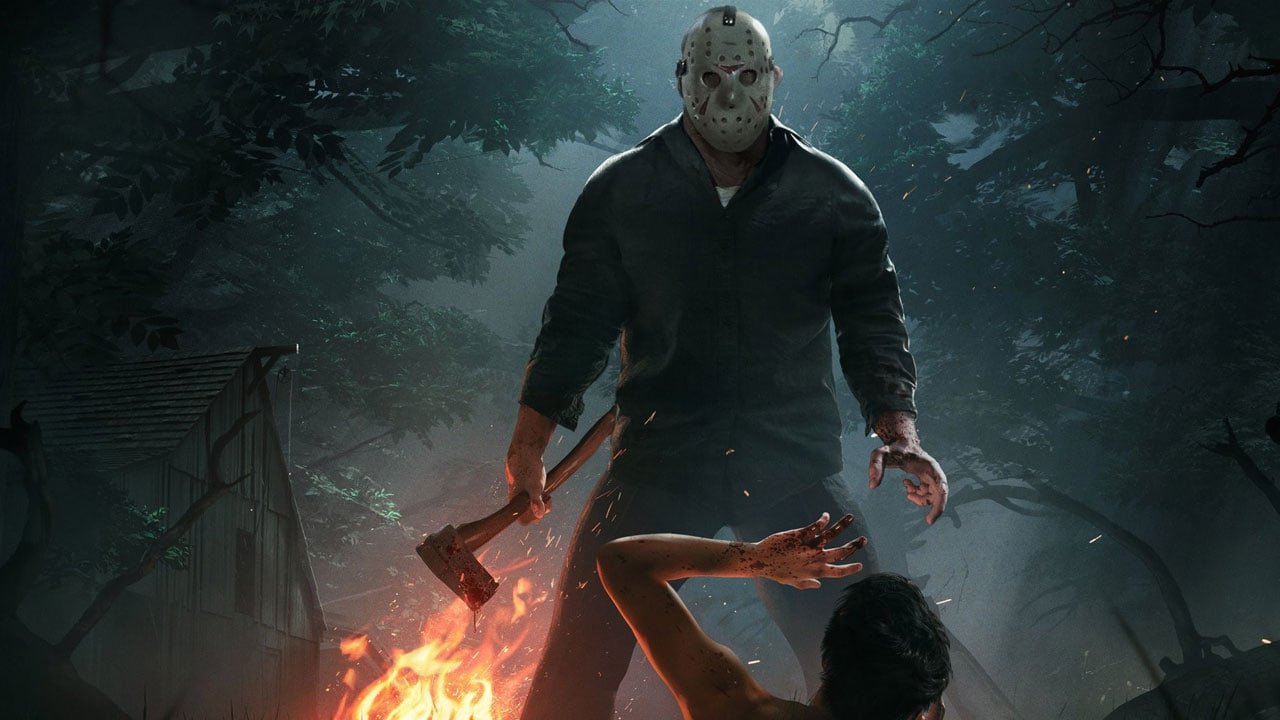
The Friday the 13th game shut down stands as one of the most frustrating and tragic stories in the history of modern multiplayer gaming. Released in May 2017, Friday the 13th: The Game was the ultimate love letter to the iconic slasher franchise. It successfully captured the terrified essence of Camp Crystal Lake, pitting seven camp counselors against one unstoppable player controlling Jason Voorhees. Despite a wildly successful Kickstarter campaign, millions of copies sold, and an incredibly passionate community, the game was ultimately forced into an early grave.
The death of this beloved asymmetrical horror experience had nothing to do with server populations, bad gameplay, or a lack of interest; it was entirely the result of a bitter, complex legal nightmare. Here is the complete historical breakdown of why the ultimate horror game was destroyed by real-world lawsuits.
Table of Contents
The Promising Rise Before the Friday the 13th Game Shut Down
Long before the Friday the 13th game shut down became a reality, the development teams at Gun Media and IllFonic were riding a massive wave of success. They had achieved something incredibly rare: a licensed movie tie-in game that genuinely understood its source material. The developers brought in franchise legends like Kane Hodder to do the motion capture for Jason, and Harry Manfredini to compose the authentic, terrifying musical score.
Players could step into the shoes of various counselors, each with unique stats, and attempt to survive by calling the police, escaping in a repaired car, or surviving the night. On the other side, players controlling Jason had access to brutal, cinematic kills drawn directly from the classic films. The game was highly successful, and the post-launch roadmap was packed with promised content. This included new counselor outfits, a dedicated single-player mode, the highly anticipated “Uber Jason” from Jason X, and the futuristic Grendel spaceship map. However, none of that would ever see the light of day.
The Legal Battle That Killed Camp Blood
The definitive reason the Friday the 13th game shut down traces directly back to a fierce copyright dispute that erupted in 2018. This legal battle was fought between Victor Miller, the screenwriter of the original 1980 Friday the 13th film, and Sean S. Cunningham, the film’s director and producer.
Under the United States Copyright Act, authors are permitted to legally reclaim the rights to their work after a period of 35 years. Victor Miller invoked this right to reclaim the original screenplay, which included the foundational elements of Camp Crystal Lake, the character of Pamela Voorhees, and the name Jason. However, Cunningham’s company, Horror Inc., argued that Miller wrote the script as a “work for hire,” meaning the studio should retain all ownership.
The Devastating Content Freeze
Because the lawsuit called the exact ownership of the franchise into question, a massive legal gridlock occurred. Gun Media, who had licensed the game in good faith, was suddenly caught in the crossfire. They were legally advised to halt all production immediately. The developers were stripped of their right to create or release any new content. The highly anticipated Uber Jason and the Grendel map were permanently locked away in the game’s files—completely finished, but legally barred from release. The developers were forced to announce that no new DLC would ever be added to the game, effectively killing its long-term future overnight.
The Final Blow: Dedicated Servers and Delisting
Following the realization that the Friday the 13th game shut down was inevitable, the game entered a prolonged period of stagnation. In November 2020, Gun Media took the heavy step of shutting down the dedicated servers. The game reverted to peer-to-peer matchmaking, meaning players had to rely on the internet connections of individual lobby hosts. This resulted in host-migration lag, frequent disconnects, and a drastically reduced player base.
The final nail in the coffin arrived years later. The original licensing agreement that Gun Media had secured finally expired. As a result, the game was permanently delisted from all digital storefronts—including Steam, PlayStation, and Xbox—on December 31, 2023. No one could legally buy the game ever again. Furthermore, the developers announced that the remaining database servers would only remain active until December 31, 2024, after which the online functionality of the game would cease entirely.
The Undying Legacy Left Behind
The story of how the Friday the 13th game shut down is a harsh reminder of how fragile licensed video games can be. A project built on immense passion and community support was completely derailed by courtroom technicalities.
Despite its tragic end, the game’s legacy lives on. It proved that asymmetrical horror could be a massive mainstream success, paving the way for the ongoing dominance of titles like Dead by Daylight and Gun Media’s own spiritual successor, The Texas Chain Saw Massacre. The servers may be closing, and Camp Blood may soon be empty, but for the millions of players who experienced the sheer terror of hearing Jason’s theme music approaching in the dark, the game will never be forgotten.
You can check the Friday the 13th: The Game Steam store page for more details and player reviews.
Have you seen the news? Bethesda officially confirmed that Fallout 3 and Fallout: New Vegas remasters are finally in active development, alongside updates on Fallout 5 and a brand-new project with Obsidian! Finally, our wasteland prayers have been answered.