37 Best Zelda Games of All Time, Ranked from Worst to Best
Discover the 37 best Zelda games of all time, ranked from worst to best. Explore legendary adventures, unforgettable dungeons, and Nintendo classics.
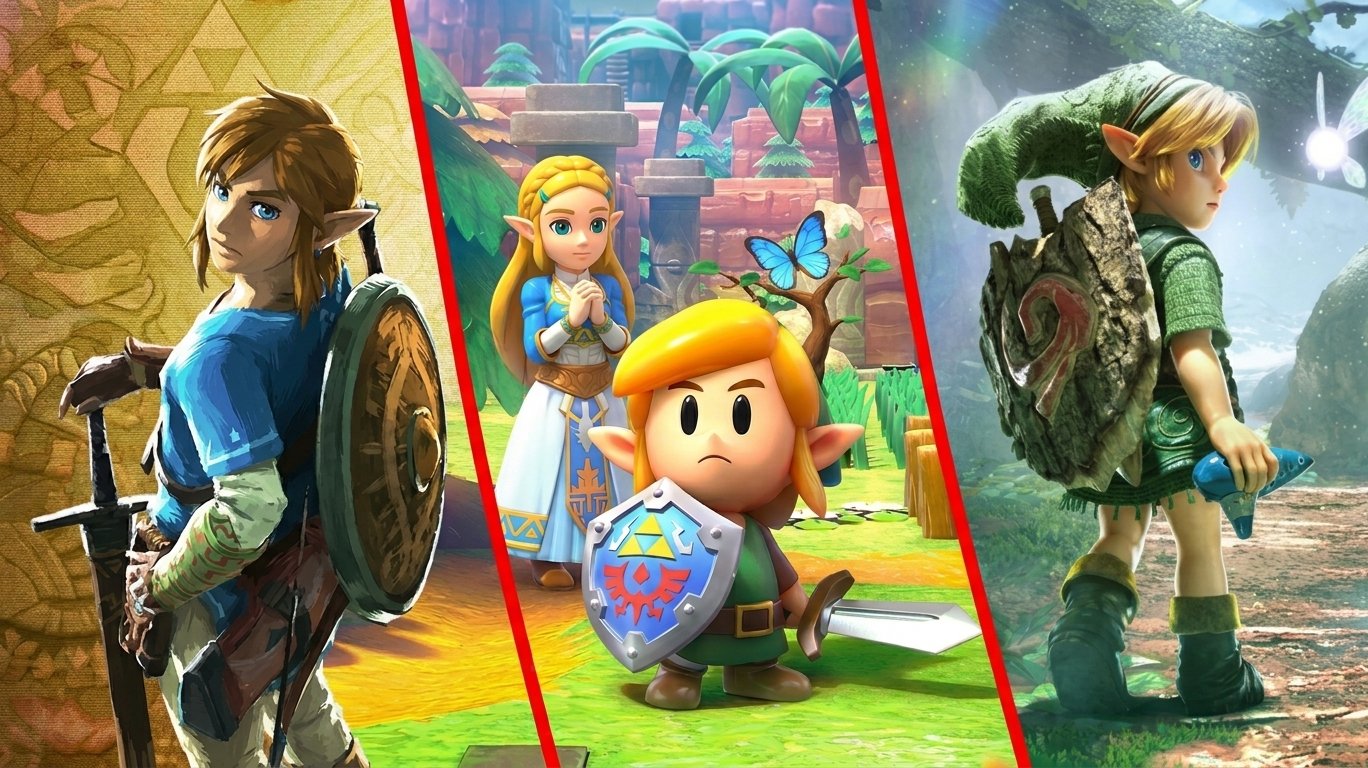
Few video game franchises have maintained the same level of popularity, creativity, and influence as The Legend of Zelda. Since its debut on the original Nintendo Entertainment System, the series has taken players on countless adventures across Hyrule and beyond. From mysterious dungeons and memorable characters to legendary weapons and unforgettable boss battles, Zelda has consistently delivered some of the finest experiences in gaming.
However, ranking the best Zelda games is no easy task. Almost every major release has something special to offer, whether it is an innovative gameplay mechanic, an emotional story, or a world that encourages players to explore every corner. Some entries completely reinvented the franchise, while others refined an established formula or experimented with multiplayer and alternative genres.
This list covers 37 Zelda games, including mainline adventures, remakes, remasters, and notable spin-offs. Whether you prefer the traditional top-down adventures or the massive open worlds of modern Nintendo releases, there is something here for every Zelda fan.
Here are the 37 best Zelda games of all time, ranked from worst to best.
The 37 Best Zelda Games, Ranked
37. Link’s Crossbow Training

Platform: Wii
Link’s Crossbow Training is a relatively small spin-off designed to introduce players to the Wii Zapper accessory. Using environments and assets from Twilight Princess, this nine-level shooting game challenges players to improve their accuracy with a crossbow.
It is an enjoyable little experience, particularly for players who already appreciate the Wii’s motion controls. However, its limited content and straightforward high-score challenges make it difficult to compare with the franchise’s full adventures. It is better viewed as a fun side project than a traditional Zelda game.
36. The Legend of Zelda: Tri Force Heroes
Platform: Nintendo 3DS
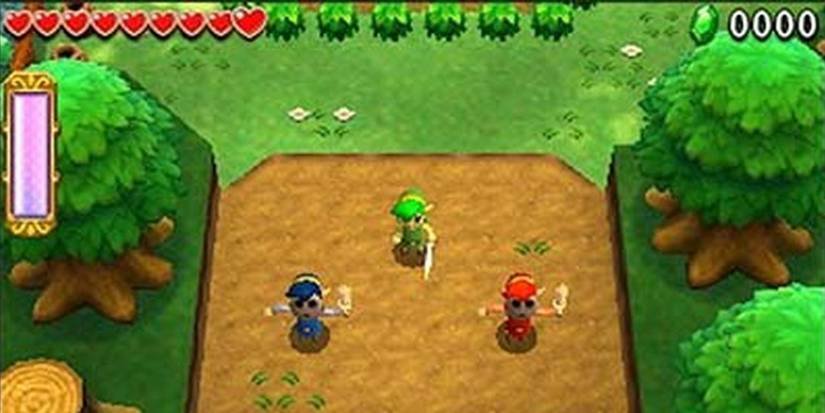
Tri Force Heroes takes a multiplayer approach to the familiar Zelda formula, allowing three versions of Link to work together through a series of puzzles, challenges, and boss encounters.
Its most recognizable mechanic is the Totem system, which lets players stack their characters to reach higher areas or overcome environmental obstacles. The colorful presentation, charming outfits, and enjoyable cooperative moments make it a worthwhile spin-off.
Unfortunately, its level design can feel inconsistent, while the limited communication options make online cooperation frustrating. Its single-player mode also lacks the same appeal as playing with friends.
35. Zelda II: The Adventure of Link

Platform: NES
Zelda II: The Adventure of Link is one of the most unusual entries in the entire franchise. Rather than following the original game’s top-down exploration, Nintendo introduced side-scrolling platforming, RPG elements, character progression, and more demanding combat.
The result was a challenging adventure that divided players when it first appeared. Its difficulty can occasionally become frustrating, but its willingness to experiment makes it an interesting part of Zelda history.
Players who enjoy older action RPGs may discover something special here, particularly with the convenience of rewind features available through modern Nintendo Switch Online releases.
34. The Legend of Zelda: Four Swords Anniversary Edition
Platform: Nintendo DSi
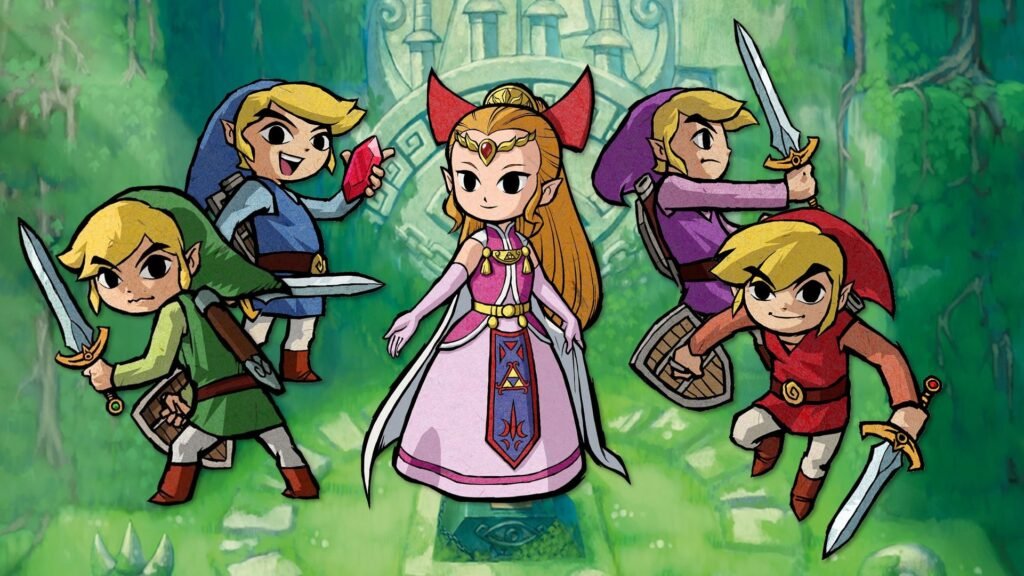
Originally introduced as a multiplayer mode in the Game Boy Advance version of A Link to the Past, Four Swords eventually received an enhanced standalone release.
The Anniversary Edition added a single-player option and allowed players to experience its cooperative adventure without requiring multiple participants. The original concept revolves around four differently colored Links working together to overcome enemies and solve puzzles.
Its multiplayer gameplay remains entertaining, although finding a legitimate way to experience this limited-release edition can be difficult today.
33. Cadence of Hyrule: Crypt of the NecroDancer Featuring The Legend of Zelda
Platform: Nintendo Switch
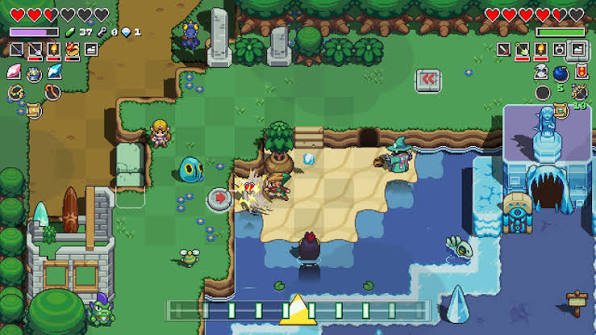
Cadence of Hyrule combines the recognizable world of Zelda with the rhythm-based gameplay of Crypt of the NecroDancer. Instead of simply attacking enemies whenever they appear, players must move and fight according to the rhythm of the soundtrack.
This unusual approach gives familiar Zelda mechanics a completely different feel. Exploration, hidden items, dungeons, and recognizable characters are all present, but the musical gameplay creates a fresh challenge.
Its randomly generated world also makes repeated playthroughs more interesting. It might not appeal to everyone, especially players who prefer traditional Zelda adventures, but it is one of the most creative spin-offs in the franchise.
32. Hyrule Warriors

Platform: Wii U
Hyrule Warriors brings together the world of Zelda and the large-scale combat associated with the Dynasty Warriors franchise.
Instead of exploring dungeons and solving traditional puzzles, players fight enormous groups of enemies across expansive battlefields. Familiar characters from the Zelda universe appear with their own weapons, abilities, and fighting styles.
The original release is not as polished as its later versions, but it remains an entertaining action game for fans who want to experience Hyrule from a different perspective.
31. The Legend of Zelda: Four Swords Adventures
Platform: Nintendo GameCube
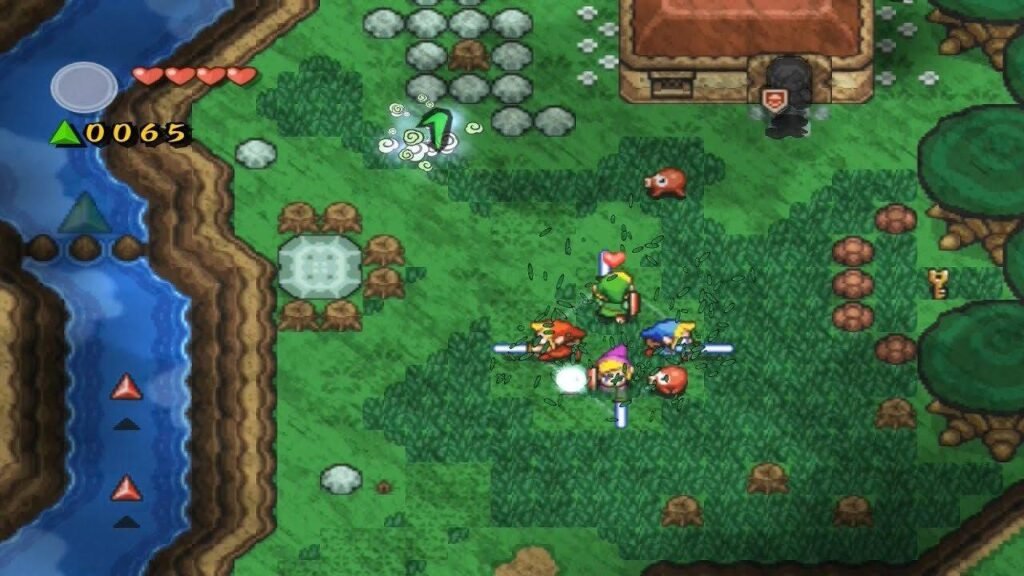
Four Swords Adventures expands the multiplayer concept introduced in the Game Boy Advance version of A Link to the Past.
Players control up to four Links, working together to complete stages, defeat enemies, and solve environmental puzzles. The game also offers a single-player mode, although its cooperative experience is clearly the main attraction.
Its biggest weakness is the amount of additional hardware required to enjoy the multiplayer features. Connecting multiple Game Boy Advance systems to a GameCube was not exactly convenient, but the experience itself remains one of the franchise’s most interesting cooperative experiments.
30. The Legend of Zelda: Phantom Hourglass
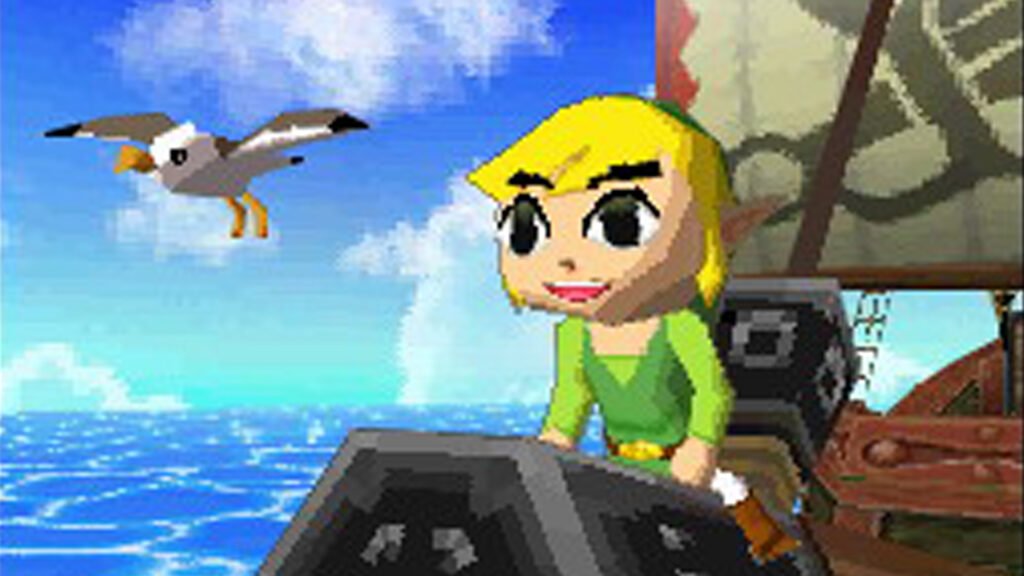
Platform: Nintendo DS
Phantom Hourglass continues the visual style and world of The Wind Waker, bringing Toon Link back for another adventure.
The Nintendo DS touchscreen plays an important role in its gameplay. Players use the stylus to control Link, draw paths, interact with objects, and solve puzzles. These mechanics make the adventure feel different without abandoning the traditional Zelda structure.
Although some players may need time to adjust to the controls, Phantom Hourglass is an enjoyable handheld adventure with plenty of memorable moments.
29. The Legend of Zelda: Spirit Tracks

Platform: Nintendo DS
Spirit Tracks replaces the sailing of The Wind Waker and Phantom Hourglass with a railway-based adventure.
Players travel across the kingdom using a train, planning routes, managing speed, and dealing with enemies along the way. Zelda also plays a more active role in the story, making this entry particularly memorable for its character interactions.
The microphone-based mechanics are an interesting addition, although they can become frustrating in noisy environments. Nevertheless, its excellent soundtrack, charming presentation, and creative puzzles make Spirit Tracks considerably better than its reputation suggests.
28. Hyrule Warriors: Definitive Edition
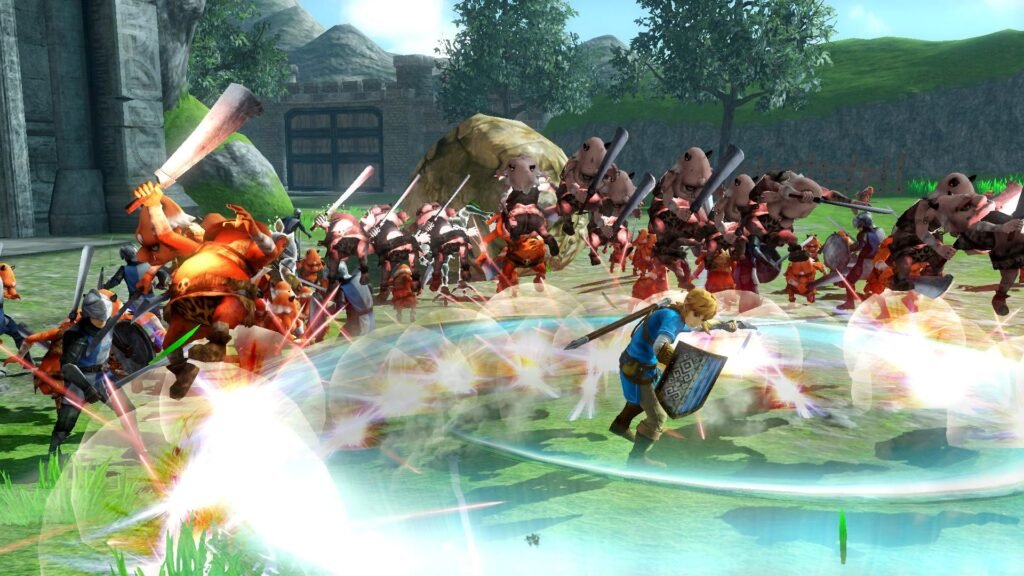
Platform: Nintendo Switch
Hyrule Warriors: Definitive Edition brings the original spin-off together with additional content and improvements introduced in earlier versions.
It offers an enormous amount of content, featuring familiar characters, multiple storylines, and hundreds of battles against large groups of enemies. Its combat is straightforward but satisfying, particularly when using different characters and experimenting with their unique abilities.
The game can become repetitive over long sessions, but its impressive amount of content makes it an excellent choice for players who enjoy action-heavy Zelda spin-offs.
27. Hyrule Warriors: Age of Imprisonment
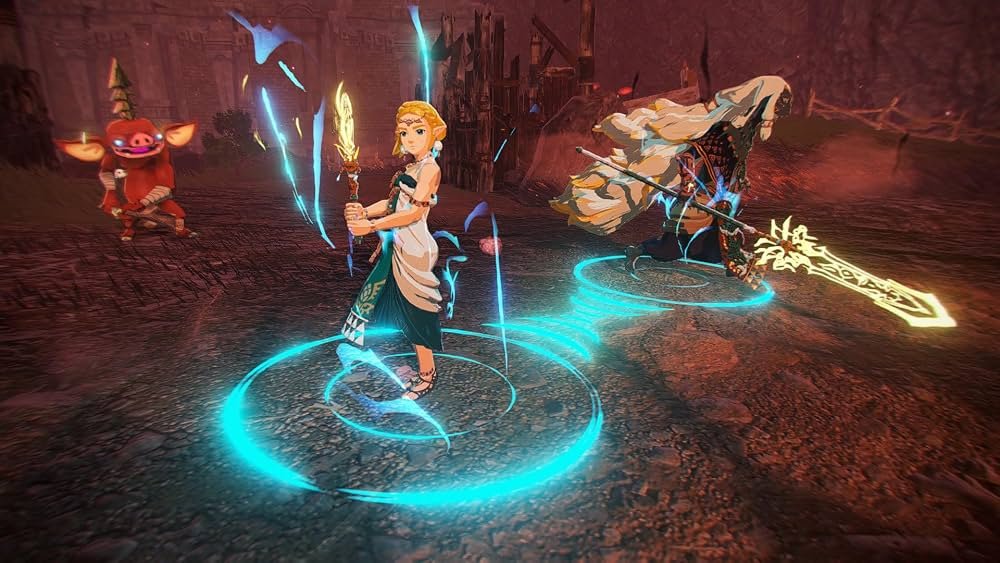
Platform: Nintendo Switch 2
Hyrule Warriors: Age of Imprisonment takes the series’ large-scale combat formula to another level, delivering an action-packed adventure set during Hyrule’s distant past.
Building on the experience gained from previous Hyrule Warriors releases, the game combines a stronger narrative focus with more refined combat mechanics. Familiar abilities, Zonai devices, and spectacular team attacks give battles considerably more variety.
Although some environmental areas could offer more interesting exploration, the improved combat and presentation make this one of the strongest entries in the spin-off franchise.
26. The Legend of Zelda: Oracle of Seasons
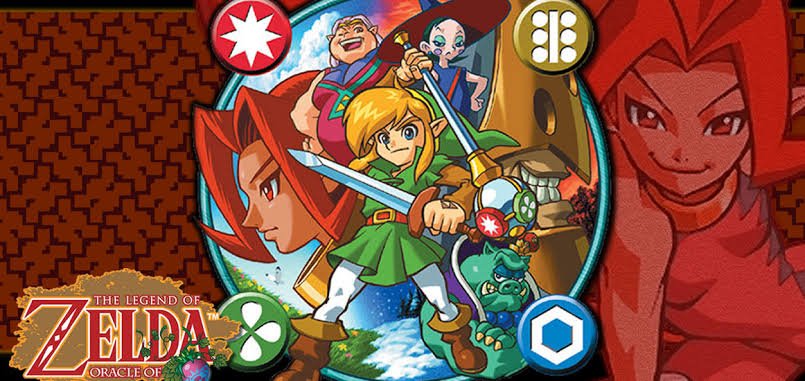
Platform: Game Boy Color
Oracle of Seasons offers a more combat-focused adventure compared to its companion game, Oracle of Ages.
Its central mechanic revolves around the Rod of Seasons, an item that allows Link to change the weather and transform the surrounding environment. Switching between seasons creates new opportunities for exploration and puzzle-solving.
Developed by Flagship, the game also benefits from a traditional Zelda structure filled with dungeons, secrets, and memorable items. Playing it alongside Oracle of Ages unlocks additional story connections and content, making the two games even more rewarding together.
25. Hyrule Warriors: Age of Calamity
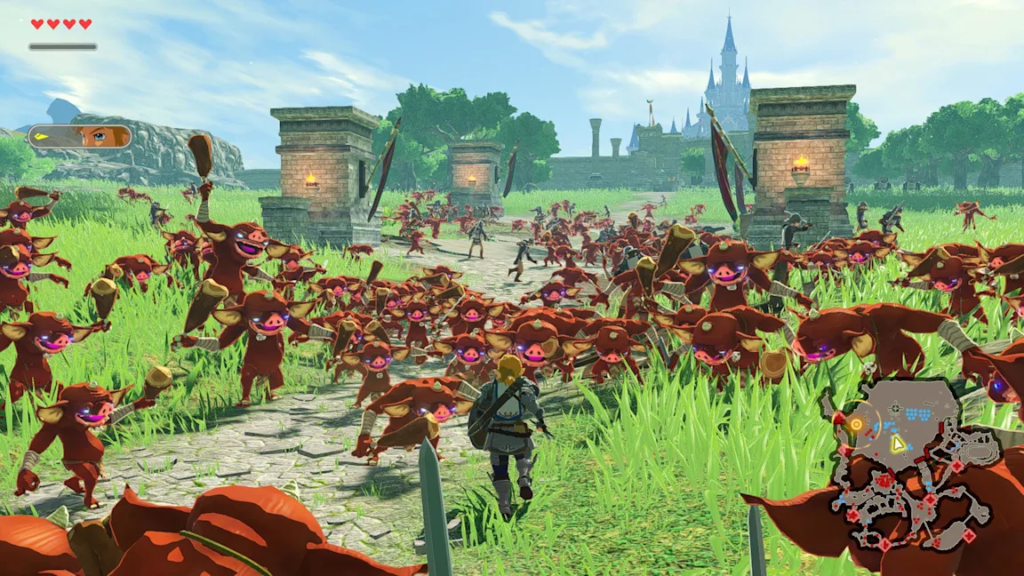
Platform: Nintendo Switch
Age of Calamity takes players back to the events surrounding the Great Calamity, which occurred 100 years before Breath of the Wild.
Instead of simply recreating the events described in its predecessor, the game delivers a more action-oriented interpretation featuring familiar characters such as Zelda, Impa, and the Four Champions.
Each character has unique weapons and combat abilities, providing plenty of opportunities to experiment with different fighting styles. Performance issues occasionally affect the experience, but the large battles and additional story content make it a worthwhile adventure for anyone who enjoyed Breath of the Wild.
24. The Legend of Zelda: Oracle of Ages
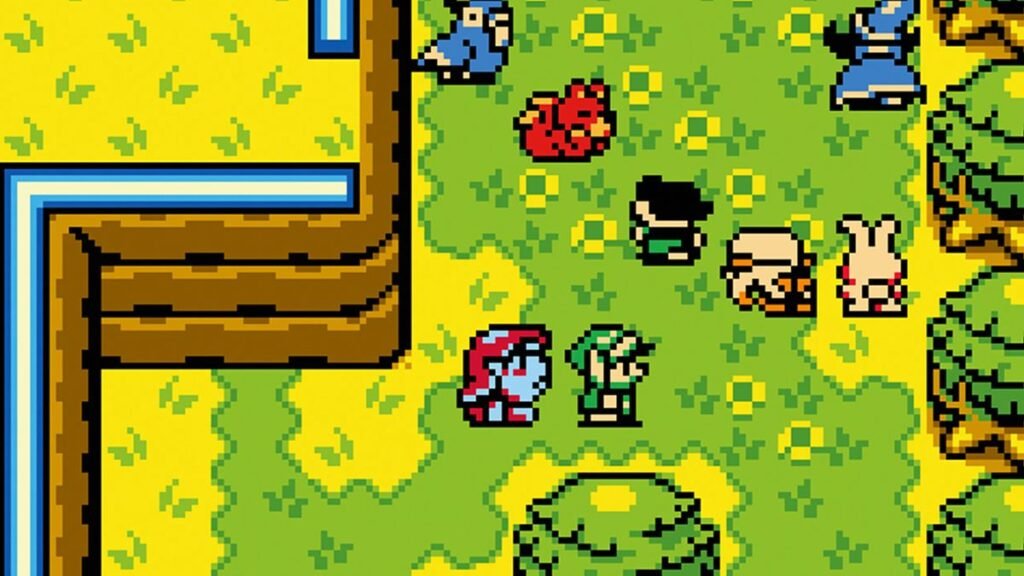
Platform: Game Boy Color
Oracle of Ages places a much greater emphasis on puzzles and environmental challenges.
Link receives the Harp of Ages, allowing him to travel between the past and present. This mechanic becomes central to the adventure, with players constantly manipulating the timeline to open paths, change environments, and solve increasingly complex puzzles.
The game also features colorful characters, memorable locations, and a surprisingly engaging story. Although it shares much of its foundation with Oracle of Seasons, its time-travel mechanics give it a distinctive identity.
23. The Legend of Zelda
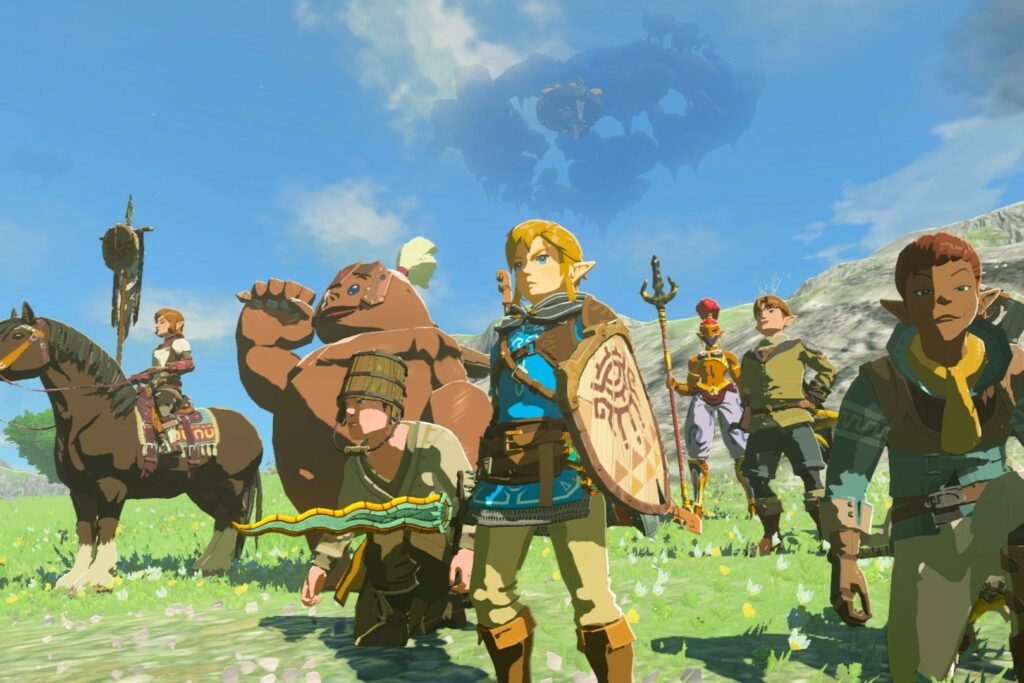
Platform: NES
The original The Legend of Zelda introduced players to a world filled with hidden secrets, dangerous enemies, mysterious dungeons, and unforgettable discoveries.
Its open-ended structure was revolutionary for its time. Rather than constantly guiding players toward the next objective, the game encouraged experimentation and exploration. Players were expected to discover secrets themselves, sometimes by trying seemingly random actions.
Some of its mechanics feel dated today, but its influence on action-adventure games is undeniable. It remains an important piece of gaming history and a fascinating experience for anyone interested in the origins of the franchise.
22. The Legend of Zelda: A Link to the Past and Four Swords
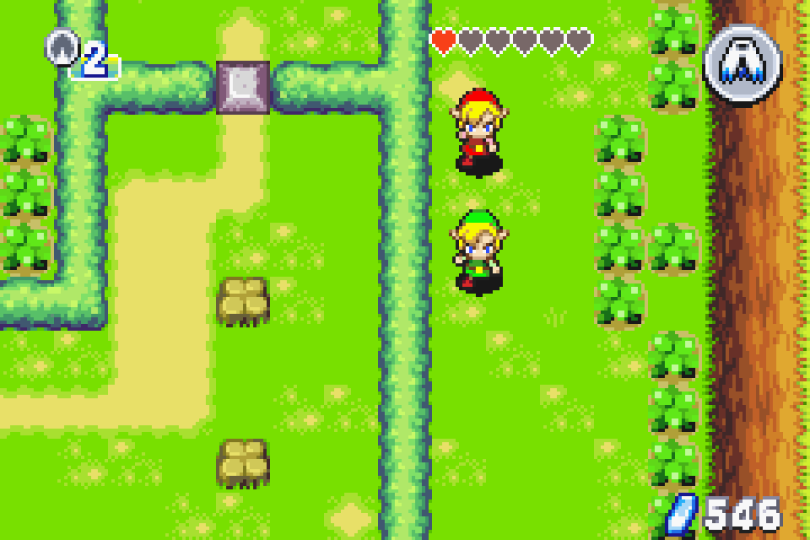
Platform: Game Boy Advance
This Game Boy Advance release brings the legendary A Link to the Past to a portable platform while adding the multiplayer adventure Four Swords.
The original game received some adjustments for the smaller screen, but its core gameplay remained intact. Exploring dungeons, discovering powerful equipment, and traveling between worlds still feels just as satisfying.
Four Swords adds another layer of value by allowing up to four players to cooperate in a separate adventure. It is a particularly appealing package for fans who want to experience one of the greatest 2D Zelda games on a handheld system.
21. The Legend of Zelda: Skyward Sword HD
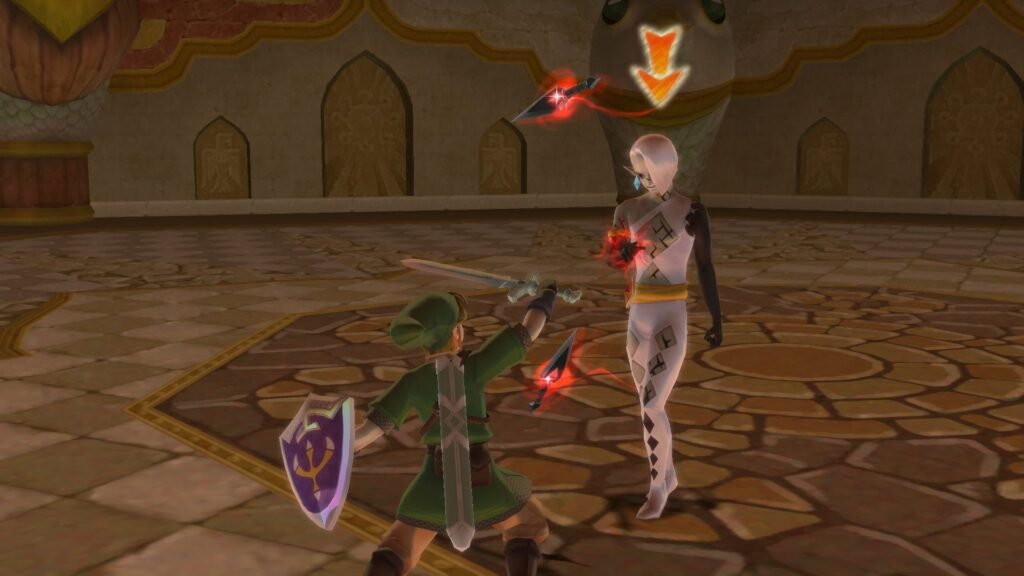
Platform: Nintendo Switch
Skyward Sword HD improves the original Wii adventure with enhanced visuals, quality-of-life changes, and an alternative control scheme.
The story explores the origins of the Master Sword and takes place at the beginning of the official Zelda timeline. Its motion-controlled sword combat was one of the original game’s most ambitious features, requiring players to carefully consider the direction of their attacks.
The HD version makes the experience more accessible by introducing traditional button controls. Some design decisions remain divisive, but this is a much more convenient way to experience an important chapter in Zelda history.
20. The Legend of Zelda: Echoes of Wisdom
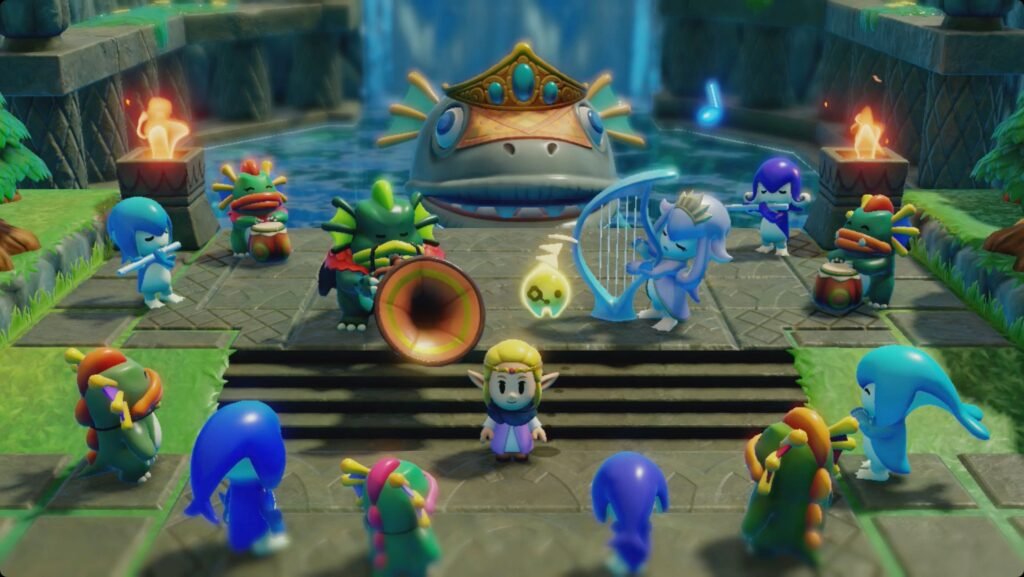
Platform: Nintendo Switch
Echoes of Wisdom gives Princess Zelda the leading role in a mainline adventure for the first time.
Rather than relying entirely on traditional sword combat, Zelda uses the Tri Rod to create echoes of objects and enemies. These copies can be used to solve puzzles, reach new areas, and fight opponents in creative ways.
The result is an adventure that respects the franchise’s classic top-down roots while introducing a refreshing gameplay system. Its emphasis on experimentation makes it one of the most interesting modern 2D Zelda releases.
19. The Legend of Zelda: Link’s Awakening
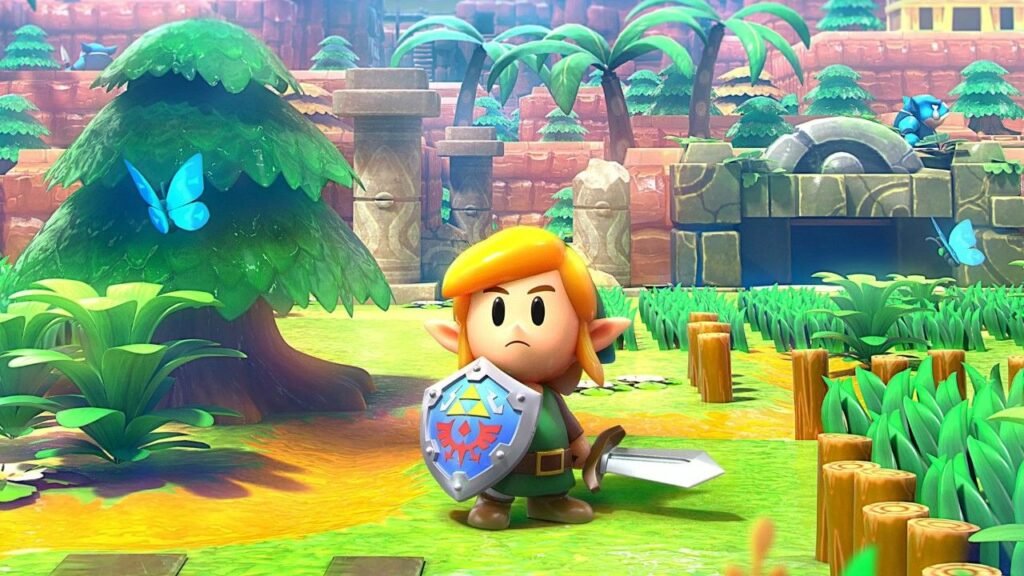
Platform: Nintendo Switch
The Switch remake of Link’s Awakening completely reimagines the original Game Boy adventure with a colorful toy-like visual style.
Link finds himself stranded on Koholint Island, where he must discover the secrets behind the mysterious Wind Fish. The island is filled with unusual characters, hidden locations, memorable dungeons, and plenty of surprises.
The remake also introduces quality-of-life improvements and a dungeon-building feature. Its occasional performance problems are disappointing, but the updated presentation makes this classic adventure accessible to a new generation.
18. The Legend of Zelda: Skyward Sword
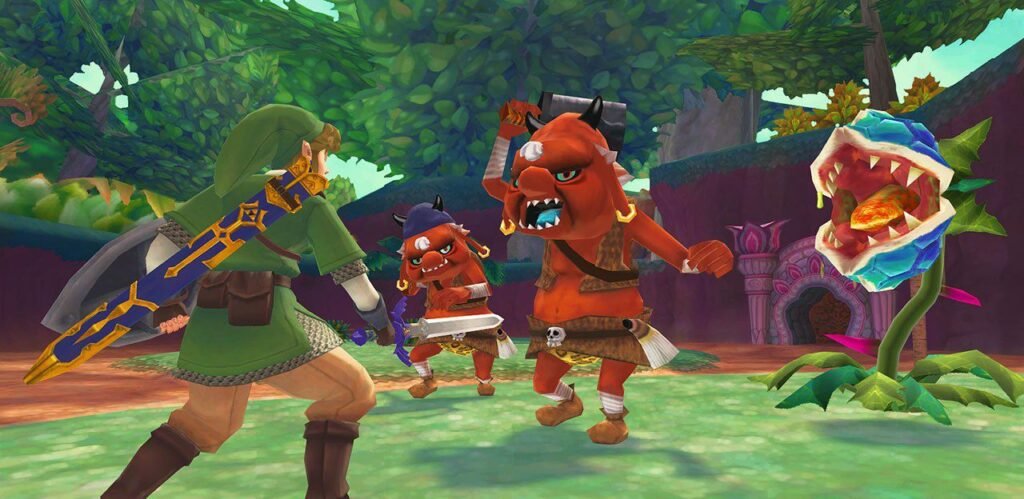
Platform: Wii
Skyward Sword introduced a more direct approach to sword combat through the Wii MotionPlus accessory.
Players physically control the direction of Link’s attacks, requiring more precision than traditional button-based combat. This mechanic gives battles a distinctive feel and encourages players to pay attention to enemy defenses.
Its story is also particularly important, exploring the origins of several iconic elements in the Zelda universe. Although its motion controls and world structure divided fans, Skyward Sword remains an ambitious adventure with some excellent dungeons and memorable characters.
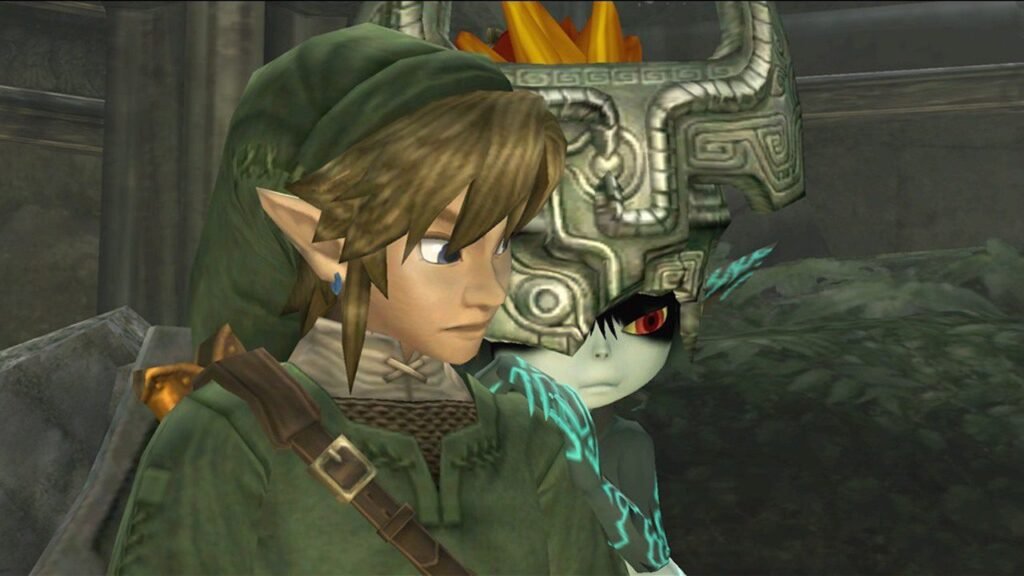
17. The Legend of Zelda: Twilight Princess HD
Platform: Wii U
Twilight Princess HD is the definitive version of Nintendo’s darker Zelda adventure.
The original game introduced a more realistic visual direction, a mysterious atmosphere, and an expansive world filled with dangerous enemies. Link’s transformation into a wolf also provides a different perspective on exploration and combat.
One of the biggest highlights is Midna, whose personality and relationship with Link make her one of the most memorable companions in the franchise.
The HD version improves the visuals and introduces several quality-of-life changes, making it the most polished way to experience this particular adventure.
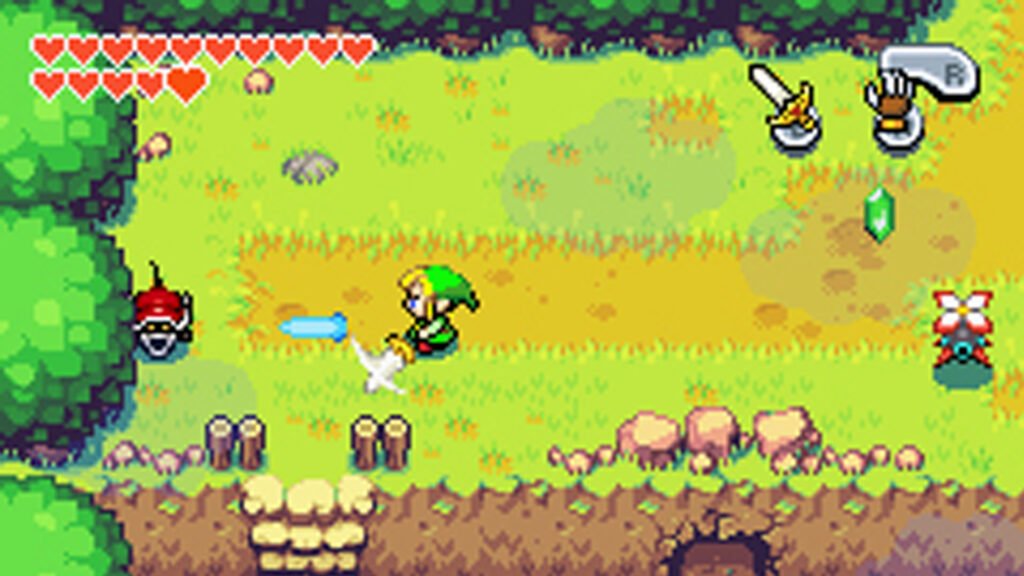
16. The Legend of Zelda: The Minish Cap
Platform: Game Boy Advance
The Minish Cap is a charming handheld adventure developed by Flagship.
Its central mechanic allows Link to shrink to microscopic proportions using a magical talking hat named Ezlo. This creates entirely new ways to explore familiar environments, turning ordinary objects into enormous obstacles and revealing hidden locations.
The game also introduces several useful items, including the Gust Jar, Mole Mitts, and Cane of Pacci. While its overall structure remains close to traditional Zelda adventures, its creative mechanics and beautiful presentation make it one of the finest games on the Game Boy Advance.
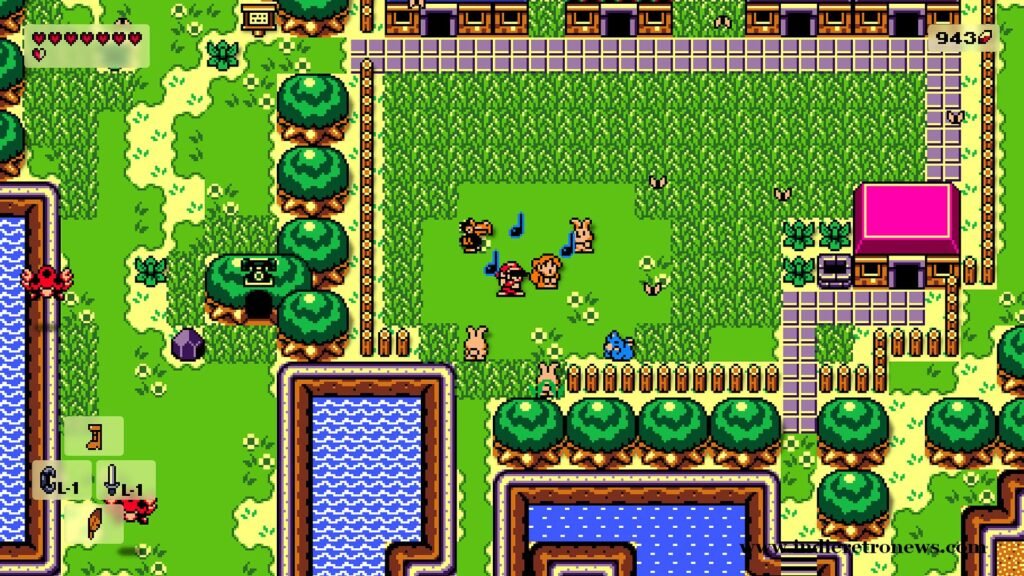
15. The Legend of Zelda: Link’s Awakening DX
Platform: Game Boy Color
Link’s Awakening DX improves the original Game Boy adventure with color graphics and an additional dungeon designed specifically for the Game Boy Color.
Despite its technical limitations, the game delivers an impressive amount of content and one of the most unusual stories in the franchise. Koholint Island is filled with strange characters and unexpected encounters, while the adventure gradually reveals a much deeper story than players might initially expect.
Its emotional atmosphere, excellent dungeon design, and memorable soundtrack make it a timeless handheld classic.
14. The Legend of Zelda: Twilight Princess

Platform: Wii
Twilight Princess delivered the darker and more realistic Zelda adventure many fans wanted after the announcement of The Wind Waker.
Its world is larger and more atmospheric, featuring memorable dungeons, impressive boss encounters, and a story centered around the mysterious Twilight Realm.
The Wii version introduced motion controls and a mirrored version of Hyrule to accommodate Link’s right-handed swordplay. Although these changes were not universally welcomed, the adventure itself remains one of the strongest 3D entries in the series.
13. The Legend of Zelda: Majora’s Mask 3D

Platform: Nintendo 3DS
Majora’s Mask 3D brings one of the franchise’s darkest adventures to a handheld system with improved visuals and several gameplay adjustments.
The story takes place in Termina, a mysterious world threatened by a falling moon. Link has only three days to prevent disaster, forcing players to manage their time carefully and understand the daily routines of the kingdom’s inhabitants.
The remake improves several aspects of the original experience, although some changes to boss encounters and mechanics remain controversial among longtime fans.
Nevertheless, its atmosphere, unusual storytelling, and unique time-loop structure make it one of the most memorable Zelda adventures.
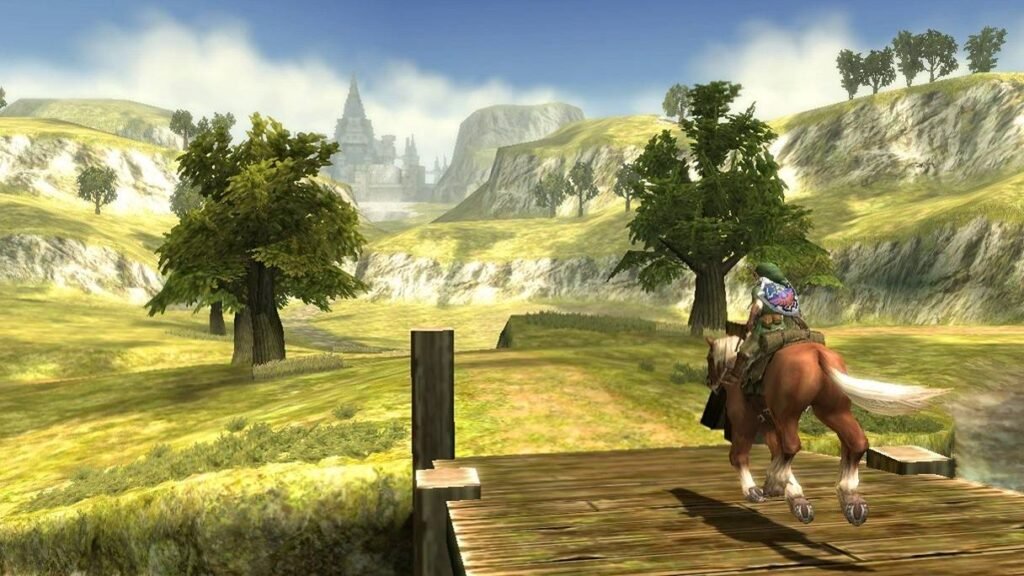
12. The Legend of Zelda: Twilight Princess
Platform: GameCube
The original GameCube version of Twilight Princess remains a favorite among players who prefer the traditional presentation of the adventure.
Its realistic art direction, detailed environments, and memorable dungeons helped establish a darker identity for the series during the mid-2000s.
The relationship between Link and Midna is particularly important, giving the story an emotional foundation that goes beyond the familiar battle between good and evil.
Although the HD version offers several improvements, the original GameCube release still provides an excellent way to experience this classic adventure.
11. The Legend of Zelda: A Link Between Worlds
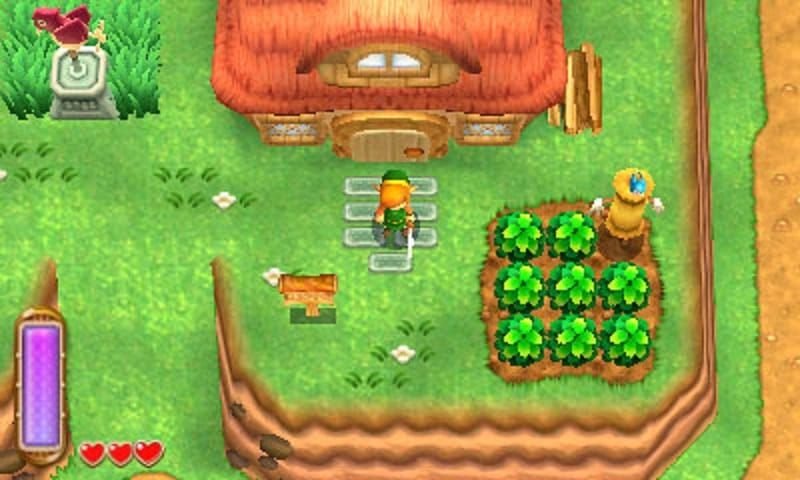
Platform: Nintendo 3DS
A Link Between Worlds revisits the world of A Link to the Past while introducing one of the smartest gameplay mechanics in the franchise.
Link can transform into a painting and move along walls, allowing players to approach puzzles and exploration from completely different angles.
The game also changes the traditional progression system by allowing players to rent or purchase many of their essential items. This gives players more freedom to decide which challenges they want to tackle first.
Its colorful presentation, clever dungeon design, and excellent use of the 3DS hardware make it one of the strongest handheld Zelda adventures.
10. The Legend of Zelda: Majora’s Mask

Platform: Nintendo 64
Majora’s Mask takes the familiar foundations of Ocarina of Time and transforms them into something considerably darker and more experimental.
Its three-day cycle creates constant pressure, as players must manage their time while investigating Termina and helping its unusual inhabitants. The world feels alive because every character follows a specific schedule, and many side quests are directly connected to the approaching catastrophe.
The mask system also provides new abilities and transformations, giving Link different ways to approach puzzles and combat.
Its unusual atmosphere may not appeal to everyone, but Majora’s Mask remains one of the most distinctive and ambitious games in the series.
9. The Legend of Zelda: Link’s Awakening
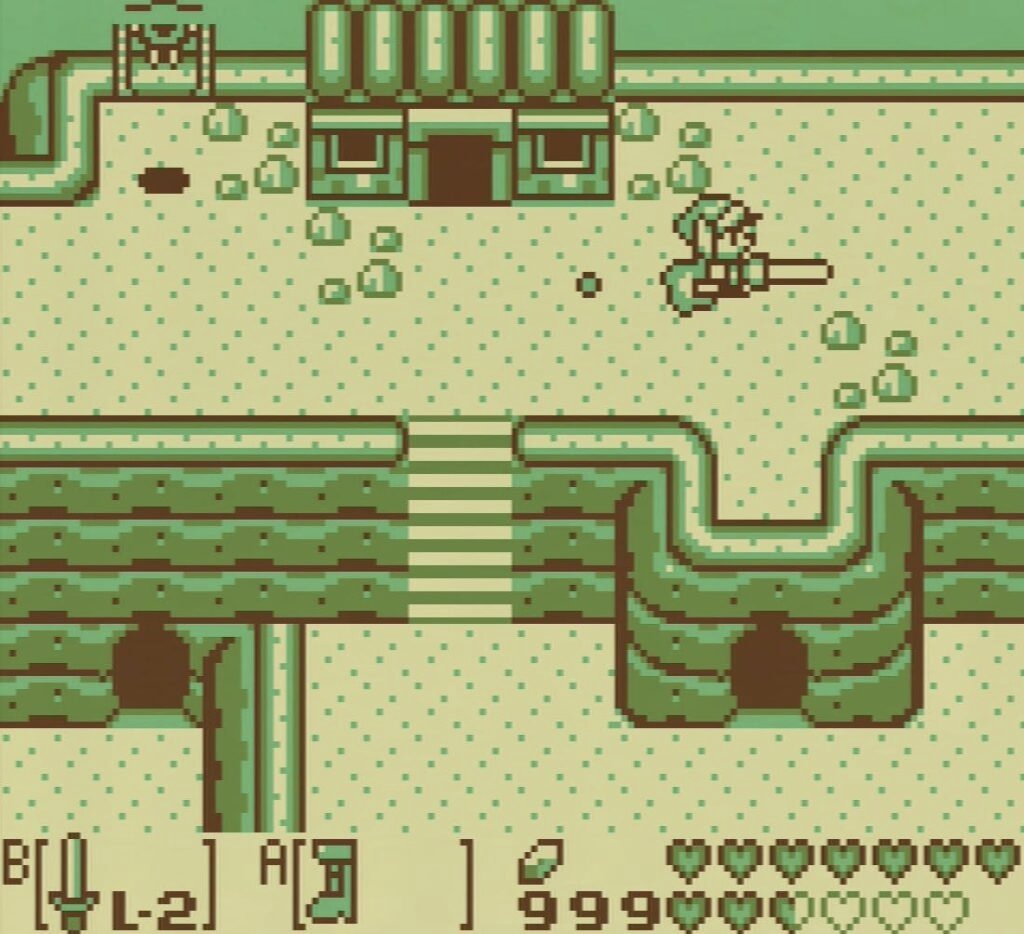
Platform: Game Boy
The original Link’s Awakening proved that a handheld system could deliver a full-scale Zelda adventure.
Released for the original Game Boy, the game managed to offer a surprisingly large world filled with dungeons, puzzles, secrets, and memorable characters.
Its story is also considerably more emotional and mysterious than players might expect from a portable adventure. Koholint Island has a unique personality, and the narrative gradually reveals secrets that completely change how players understand their journey.
Considering the hardware limitations of the Game Boy, Link’s Awakening remains one of Nintendo’s most impressive technical and creative achievements.
8. The Legend of Zelda: The Wind Waker HD
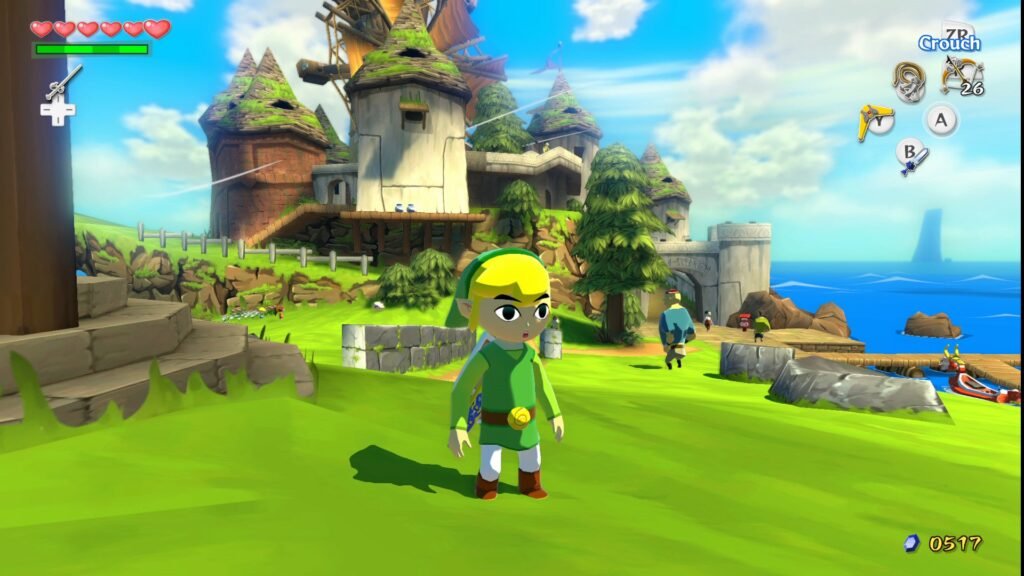
Platform: Wii U
The Wind Waker HD improves the original adventure with higher-resolution visuals, updated lighting, and several useful gameplay adjustments.
Its ocean-based world encourages exploration, allowing players to discover islands, hidden treasures, and dangerous dungeons while sailing across the Great Sea.
The updated version also addresses some of the original game’s less enjoyable mechanics, making long-distance exploration more convenient.
Although it does not introduce a significant amount of new content, the improvements make this an excellent way to experience one of the most visually distinctive Zelda games.
7. The Legend of Zelda: Ocarina of Time 3D
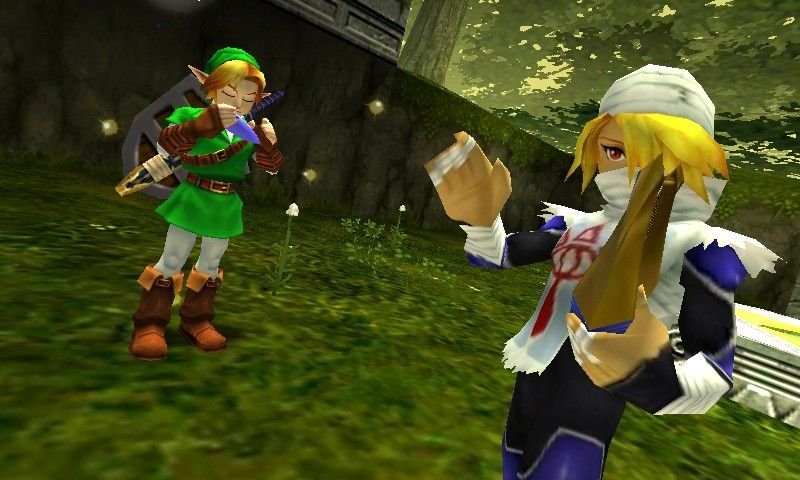
Platform: Nintendo 3DS
Ocarina of Time 3D brings Nintendo’s legendary Nintendo 64 adventure to a portable system with significantly improved visuals and controls.
Grezzo managed to preserve the original game’s atmosphere while updating character models, environments, textures, and the user interface. The result is a version that feels familiar but considerably more comfortable to play.
Several quality-of-life improvements also make inventory management and equipment selection easier.
Although the original remains special for many fans, Ocarina of Time 3D is an excellent alternative for players who want to experience the adventure with modern conveniences.
6. The Legend of Zelda: The Wind Waker
Platform: GameCube
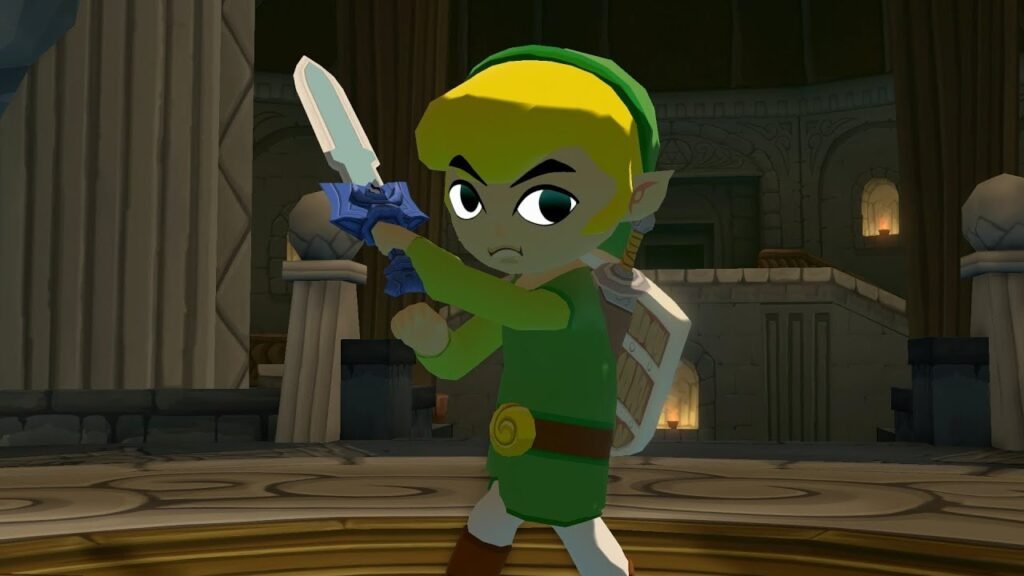
When Nintendo first revealed The Wind Waker, its colorful cel-shaded art style divided the Zelda community. Many fans had expected another realistic adventure following the visual direction of Ocarina of Time and Majora’s Mask.
However, the game eventually proved that its artistic approach was one of its greatest strengths.
Sailing across the Great Sea, discovering distant islands, and exploring beautifully designed dungeons create an unforgettable sense of adventure. Its expressive characters and vibrant environments have also allowed the game to age remarkably well.
Some sections could certainly have benefited from additional variety, but The Wind Waker remains one of the most charming and recognizable entries in the franchise.
5. The Legend of Zelda: Tears of the Kingdom
Platform: Nintendo Switch and Nintendo Switch 2
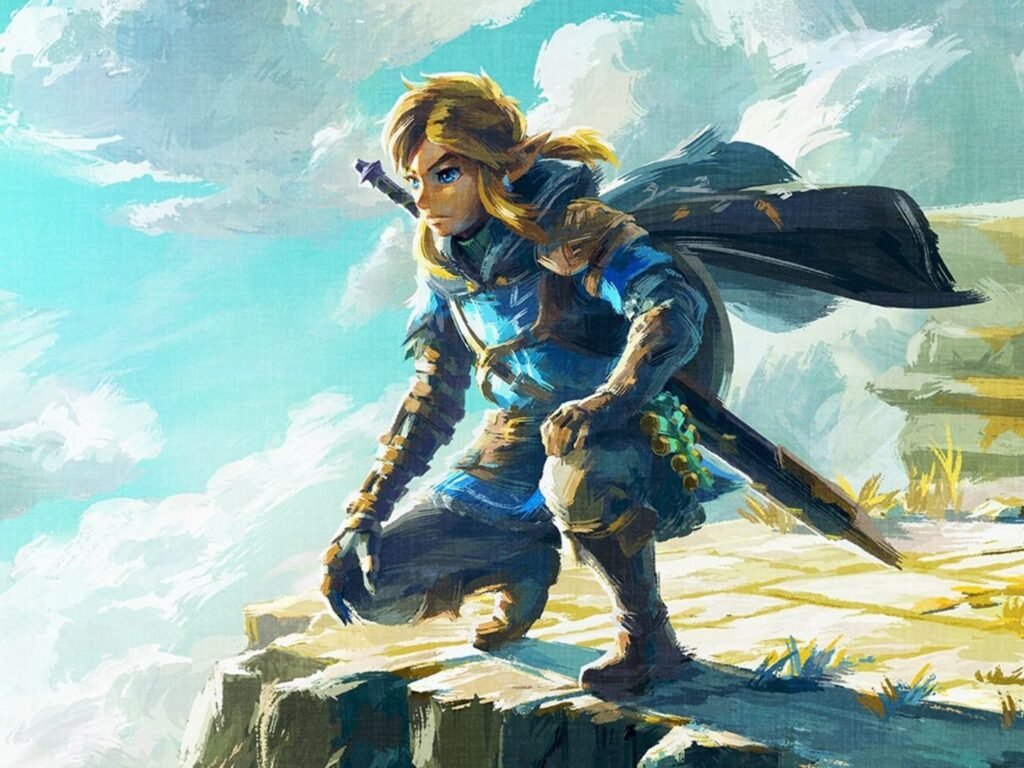
Tears of the Kingdom takes the foundation established by Breath of the Wild and expands it with an enormous collection of new gameplay possibilities.
The introduction of the Ultrahand ability allows players to combine objects and build everything from simple vehicles to elaborate machines. Other abilities provide equally creative ways to interact with the environment.
The adventure also expands Hyrule vertically, introducing the mysterious Sky Islands and dangerous underground regions. These additions make exploration feel fresh even for players who have already spent hundreds of hours in Breath of the Wild.
Its freedom, creative mechanics, and enormous world make Tears of the Kingdom one of the most ambitious Nintendo games ever developed.
4. The Legend of Zelda: A Link to the Past

Platform: Super Nintendo Entertainment System
A Link to the Past established many of the mechanics and design principles that would define the Zelda franchise for decades.
Its world features two interconnected versions of Hyrule, giving players new ways to explore familiar locations and solve environmental puzzles. The game also introduced several iconic items and gameplay elements that became permanent parts of the series.
Its dungeon design, combat, soundtrack, and progression remain remarkably well balanced. Even decades after its original release, A Link to the Past feels like a complete adventure that understands exactly what makes Zelda special.
It is an essential experience for anyone interested in the history of action-adventure games.
3. The Legend of Zelda: Ocarina of Time
Platform: Nintendo 64
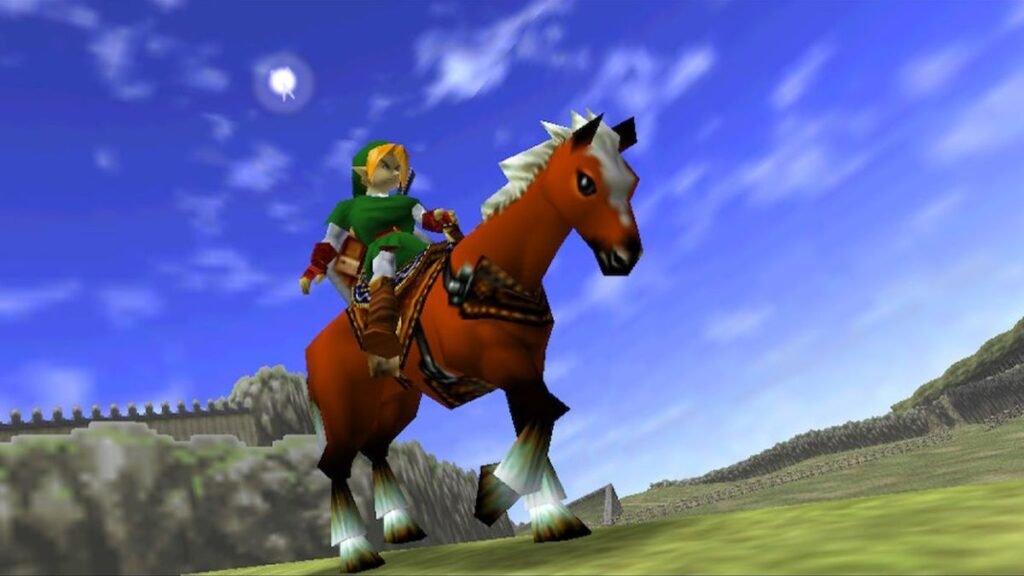
Ocarina of Time successfully brought the Zelda franchise into the third dimension and changed the expectations surrounding 3D adventure games.
Its targeting system, expansive environments, memorable dungeons, and carefully designed combat mechanics established a foundation that influenced countless games.
The story follows Link as he travels between childhood and adulthood, attempting to stop Ganondorf from taking control of Hyrule. This time-travel structure gives the adventure a memorable emotional dimension while allowing players to experience familiar locations in completely different ways.
Some technical elements naturally show their age today, but the quality of its design remains impressive. Ocarina of Time is one of the most influential video games ever created, and its position among the greatest Zelda adventures is well deserved.
2. The Legend of Zelda: Breath of the Wild
Platform: Nintendo Switch and Nintendo Switch 2
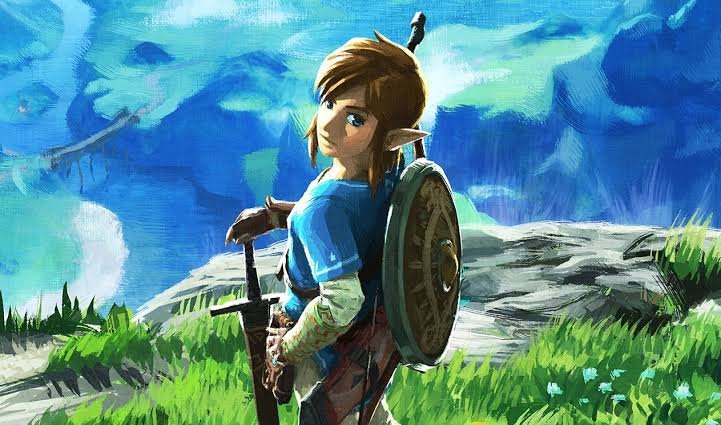
Breath of the Wild completely reimagined what a modern Zelda game could be.
Rather than following the traditional structure of previous entries, Nintendo created a massive open world that encourages players to explore at their own pace. Almost every mountain, forest, and distant landmark can become part of an unexpected adventure.
Its physics system and environmental interactions provide remarkable freedom. Players can experiment with different weapons, manipulate objects, use weather conditions, and discover creative solutions to challenges.
The result is an experience that rewards curiosity more than almost any other game in the franchise. Its influence on open-world game design has been enormous, and even after its sequel, the original adventure remains a landmark release.
1. The Legend of Zelda: Ocarina of Time (Nintendo Switch 2 Remake)
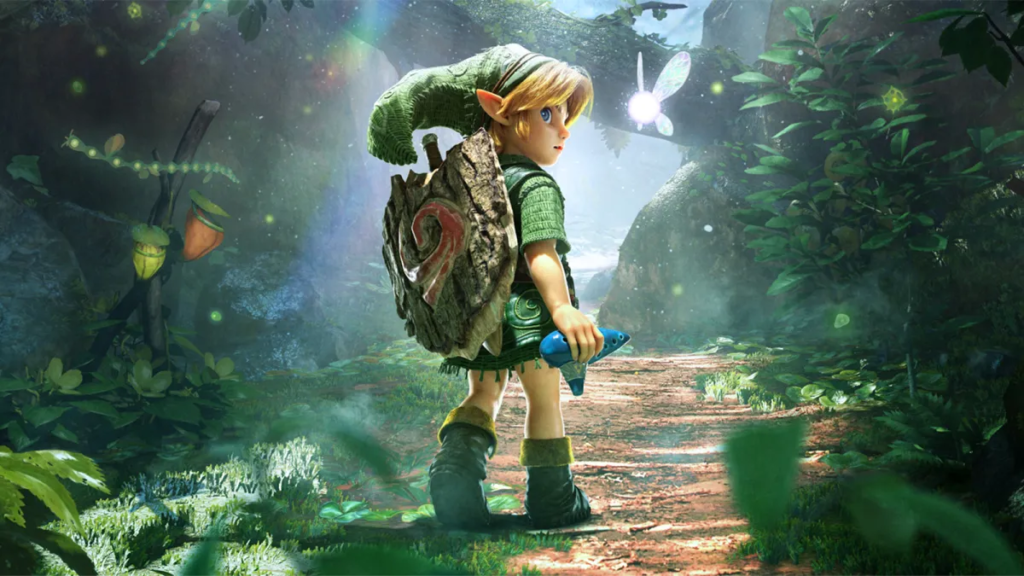
Platform: Nintendo Switch 2
Taking the top position is the Nintendo Switch 2 remake of Ocarina of Time, which reimagines the legendary Nintendo 64 adventure with modern visuals, improved audio, and updated gameplay.
Rather than completely changing the original experience, this version focuses on preserving the elements that made Ocarina of Time so important while making it more accessible to modern players.
Its updated environments, character models, and presentation give familiar locations a new level of detail. The improved controls and technical enhancements also make revisiting Hyrule more enjoyable.
Some longtime fans may find the experience too familiar, particularly if they have already completed the original game or the Nintendo 3DS remake. The absence of Master Quest content is another missed opportunity.
Nevertheless, revisiting one of gaming’s most influential adventures with a modern presentation is a remarkable experience. Ocarina of Time remains a defining achievement for Nintendo, and this remake gives a new generation the opportunity to discover its magic.
The Legend of Zelda franchise has evolved considerably over the decades, moving from simple 8-bit adventures to enormous open-world experiences. Each generation has introduced new ideas, memorable characters, and gameplay mechanics that have helped keep the series relevant.
While Breath of the Wild and Tears of the Kingdom demonstrate how successfully Nintendo can reinvent its formula, classics such as Ocarina of Time, A Link to the Past, and The Wind Waker prove that the traditional Zelda experience still has plenty to offer.
Ultimately, choosing the best Zelda game comes down to personal preference. Some players will always prefer the carefully designed dungeons of older entries, while others enjoy the freedom and experimentation of the modern games.
One thing is certain: very few gaming franchises have delivered so many unforgettable adventures, and The Legend of Zelda remains one of Nintendo’s greatest achievements.
“Trace the entire assassin brotherhood across centuries of history. From Ancient Egypt to the Golden Age of Piracy, here is the complete chronological timeline to play the Assassin’s Creed franchise in historical order.”