Black Myth Zhong Kui AI Development: Why Game Science Rejects Generative AI
Game Science confirms Black Myth Zhong Kui AI development is not happening. Discover why the studio relies on traditional game design over generative AI.
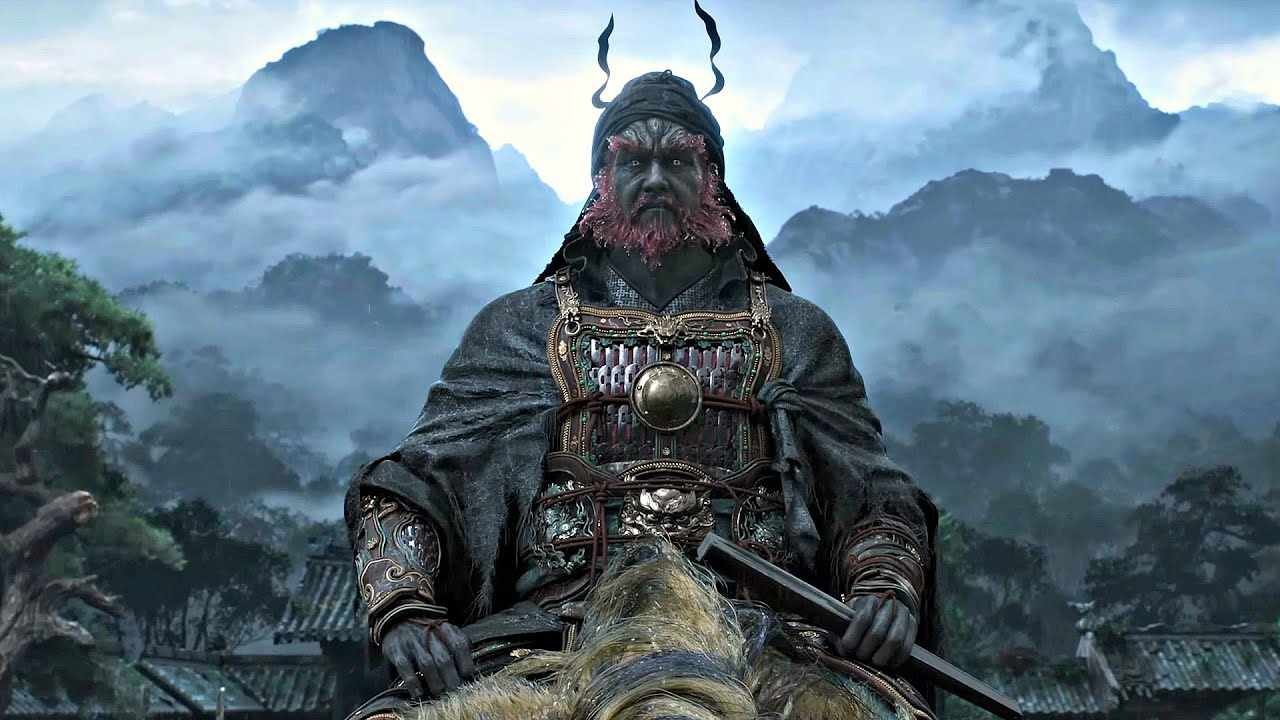
If the lengthy development cycle of Black Myth: Wukong served as any indication, fans should brace themselves for a patient wait regarding its highly anticipated follow-up, Black Myth: Zhong Kui.
The ambitious successor was officially revealed roughly one year ago through a captivating cinematic teaser, and subsequent updates confirmed it is bound for modern gaming consoles. Given the sheer visual fidelity and technical demands required to surpass its predecessor, industry analysts and players alike widely anticipate that this title will target next-generation hardware like the PlayStation 6.
Despite the pressure to accelerate production schedules, developer Game Science has taken a firm stance against using generative technology. The studio officially confirmed that Black Myth Zhong Kui AI development strategies are completely off the table.
Game Science Rejects AI Tools for Black Myth: Zhong Kui
With generative AI dominating recent industry headlines as a tool to streamline asset creation, many wondered if Game Science would adopt the technology to speed up their pipelines. The question was recently put directly to studio co-founder Yang Qi on the Chinese social media platform Weibo, as reported by outlets such as GamerSky and Noisy Pixel.
Yang Qi provided a straightforward answer that offered relief to players concerned about artistic dilution: Game Science has no plans to utilize generative AI to accelerate the creation of Black Myth: Zhong Kui.
Instead of relying on algorithms to generate environmental assets, textures, or placeholder code, the studio will continue using its proven, traditional development methodologies. This decision aligns perfectly with the studio’s established reputation. Black Myth: Wukong achieved global acclaim largely due to its bespoke environmental design, intricate mythological architecture, and handcrafted enemy animations. Game Science clearly intends to replicate—and elevate—that level of visual excellence without relying on automated shortcuts.
Is Generative AI Ready for AAA Game Production?
While Yang Qi made it clear that the studio is avoiding the technology for their upcoming project, his statements reveal a nuanced perspective on the industry’s digital evolution. He noted that current generative tools simply are not mature or reliable enough to meaningfully benefit the complex production workflows of a high-end AAA action game.
In the current landscape, generative AI often introduces technical inconsistencies, requiring human artists to spend extra hours fixing flawed geometry, low-resolution textures, or broken logic. For a team aiming for photorealistic fidelity and flawless character rigging, integrating unstable automated assets can actually slow production down rather than speed it up.
However, Yang Qi did not express an absolute, dogmatic opposition to the concept of artificial intelligence in game design. Rather, his pragmatic take highlights a simple reality: until automated tools can match the precise artistic standards demanded by Game Science without compromising control, they hold no practical value for their development pipelines.
The Controversy Surrounding AI Assets in Shipped Video Games
The decision to avoid Black Myth Zhong Kui AI development shortcuts comes at a pivotal moment for the gaming industry. Generative AI remains one of the most polarizing topics in modern entertainment, raising ethical, artistic, and technical concerns among players and creators.
Despite public pushback, an increasing number of studios have quietly experimented with AI-generated elements. Gamers have repeatedly spotted low-quality AI images, distorted text in environmental signs, and awkwardly rendered background art in recently released titles.
When caught, developers frequently rush to issue post-launch patches to replace the controversial assets, usually claiming that placeholder files were accidentally left in the final build. This trend has made players hyper-vigilant, with communities actively scanning new releases for signs of automated creation. By taking a proactive stance, Game Science reassures its player base that their investment will deliver a genuine, human-crafted experience.
Why Handcrafted Artistry Matters for the Black Myth Franchise
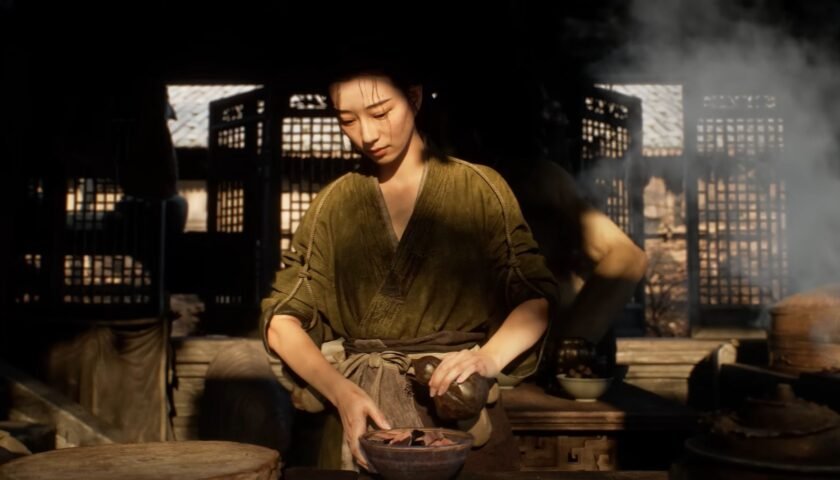
The Black Myth series relies heavily on real-world cultural heritage, intricate Chinese folklore, and meticulous photogrammetry—a technique where real-world historical sites and sculptures are scanned directly into the game engine.
Delegating mythic character design or ancient temple architecture to generative algorithms risks stripping the narrative of its distinct cultural identity. Handcrafted art direction ensures that every boss encounter, atmospheric hallway, and armor set carries intentional narrative weight.
By rejecting generative shortcuts, Game Science sends a clear message to the industry: high-end artistic vision cannot be automated. While Black Myth: Zhong Kui may take several years to reach global audiences, fans can rest assured that every frame of the game will reflect the dedicated craft of human artists.
“Read story: Halloween: The Game Banned in Australia Over Controlled Substance — Discover why the Australian Classification Board blocked the release of the upcoming asymmetric horror game.”