Devil May Cry History Guide: Games, Netflix Series & Characters
Dive into the ultimate Devil May Cry history guide. Explore the timeline of all mainline DMC games, the Netflix animated series, and deep character biographies.
What started as a discarded, action-heavy prototype for Resident Evil 4 quickly mutated into one of the most influential franchises in video game history. Devil May Cry (DMC) essentially birthed the “stylish action” genre, blending fast-paced, combo-heavy combat with a gothic aesthetic and a protagonist who never takes anything too seriously.
This comprehensive Devil May Cry history guide will take you through the entire timeline of the legendary franchise. From the groundbreaking mainline video games to the highly anticipated Netflix animated series, and the deep lore behind its iconic characters, here is everything you need to know about the Sons of Sparda.
The Evolution of the Video Game Timeline
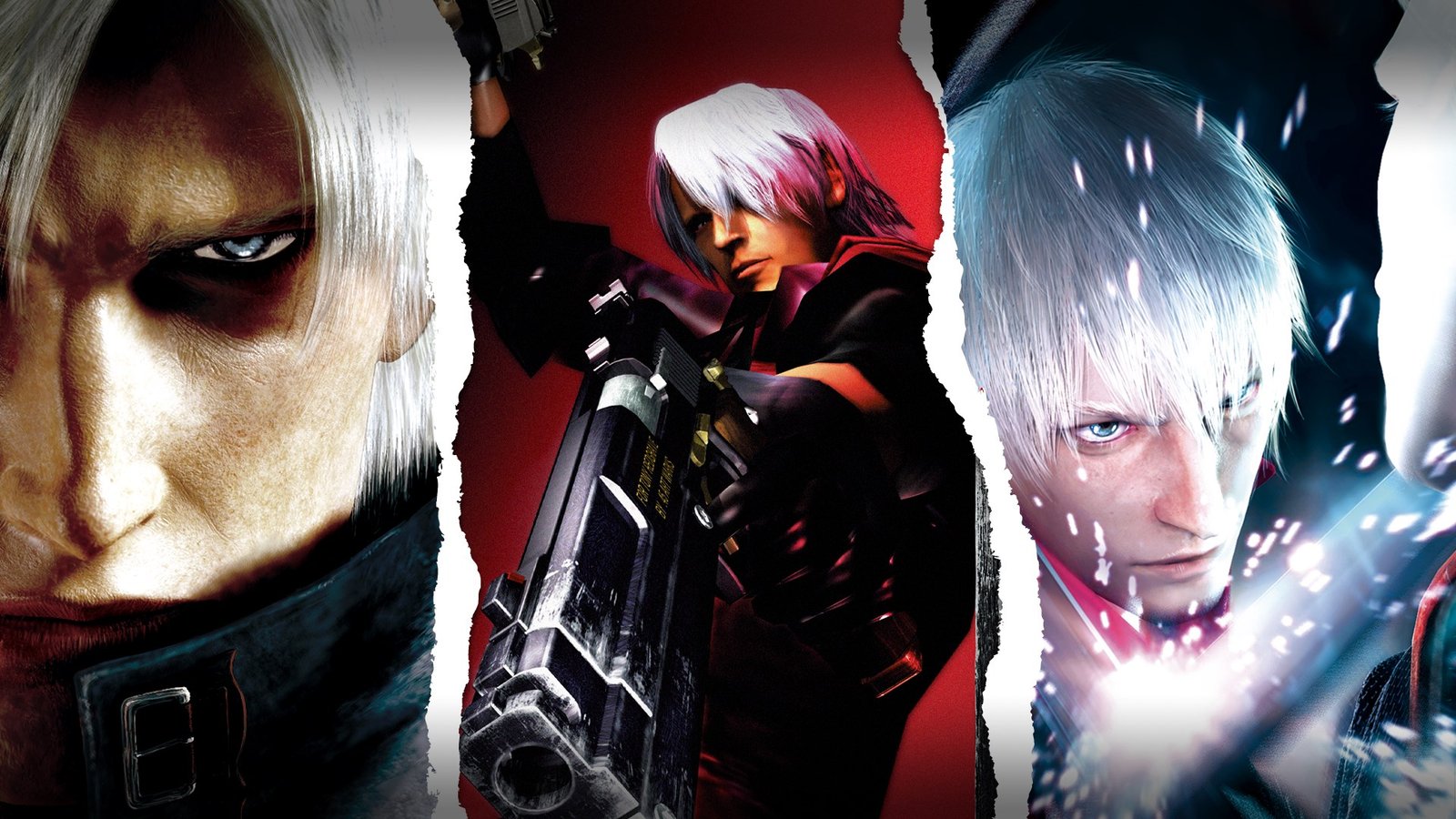
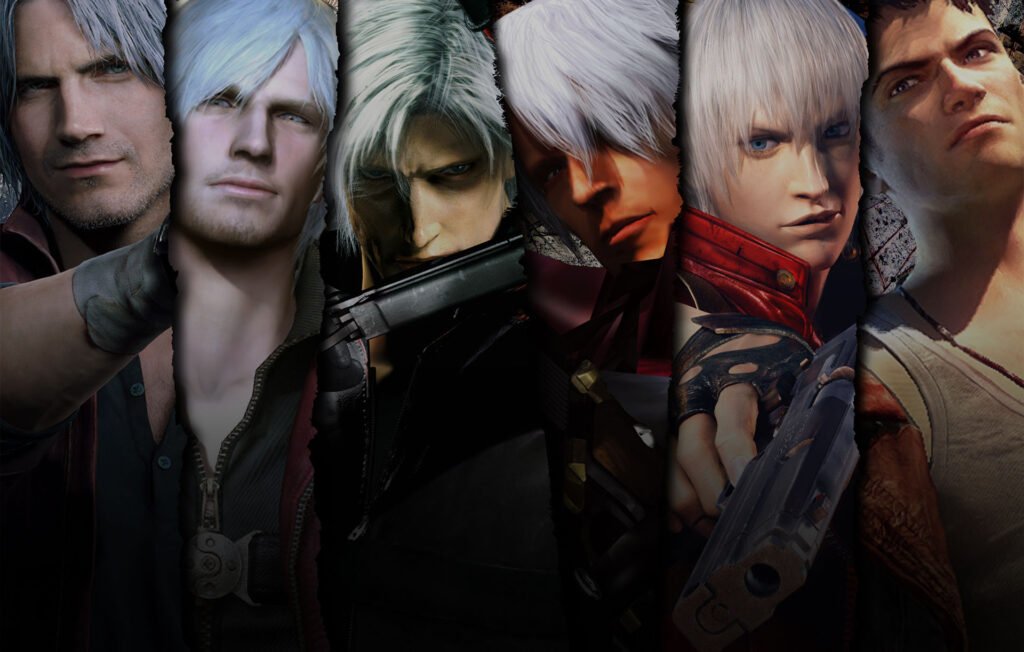
The timeline of the DMC universe can be slightly confusing for newcomers because the games were not released in chronological order. To understand the true narrative flow of the lore, the story actually unfolds in this specific sequence: Devil May Cry 3, Devil May Cry 1, Devil May Cry 2, Devil May Cry 4, and finally, Devil May Cry 5.
The original game, released in 2001 and directed by Hideki Kamiya, introduced players to Dante and his signature dual pistols, Ebony and Ivory, alongside his massive sword, Alastor. The game revolutionized 3D combat by rewarding players for how stylishly they could defeat enemies, rather than just surviving encounters. While Devil May Cry 2 is widely considered the weak link of the franchise due to its rushed development and uninspired mechanics, Capcom course-corrected masterfully with Devil May Cry 3: Dante’s Awakening. This prequel not only perfected the combat system by introducing interchangeable fighting styles but also delivered a highly emotional narrative centered on the bitter rivalry between Dante and his twin brother, Vergil.
Devil May Cry 4 shifted the perspective to a new, younger protagonist named Nero, while retaining Dante as a secondary playable character. After a brief and highly controversial Western reboot attempt in 2013 simply titled DmC: Devil May Cry (developed by Ninja Theory set in an alternate universe), Capcom triumphantly returned to the original timeline in 2019 with Devil May Cry 5. This entry featured three playable characters (Dante, Nero, and the mysterious summoner V), utilized the photorealistic RE Engine, and provided a massive, deeply satisfying conclusion to the long-running family saga.

The Expanding Universe: The Netflix Animated Series
Beyond the interactive medium, the franchise has successfully expanded its stylish demon-slaying to television. Executive producer Adi Shankar, known for his critically acclaimed work on the Castlevania animated adaptation, spearheaded the Devil May Cry animated series for Netflix.
Designed to be a core pillar of Shankar’s overarching “Bootleg Multiverse,” the Netflix series captures the raw, energetic essence of the video games. It brings the iconic gothic architecture, the heavy metal soundtrack aesthetic, and Dante’s trademark cocky attitude to a brand-new global audience. The series successfully adapts the complex, bloody lore of the demon world and the human realm, providing both long-time fans and absolute newcomers with a visually stunning, action-packed narrative that perfectly complements the mainline video game timeline.
Key Character Biographies
The heart of the franchise has always been its charismatic, larger-than-life cast. The overarching story is a tragic family drama heavily disguised as an action-packed blockbuster. Here are the biographies of the central figures who drive the narrative forward.
Dante
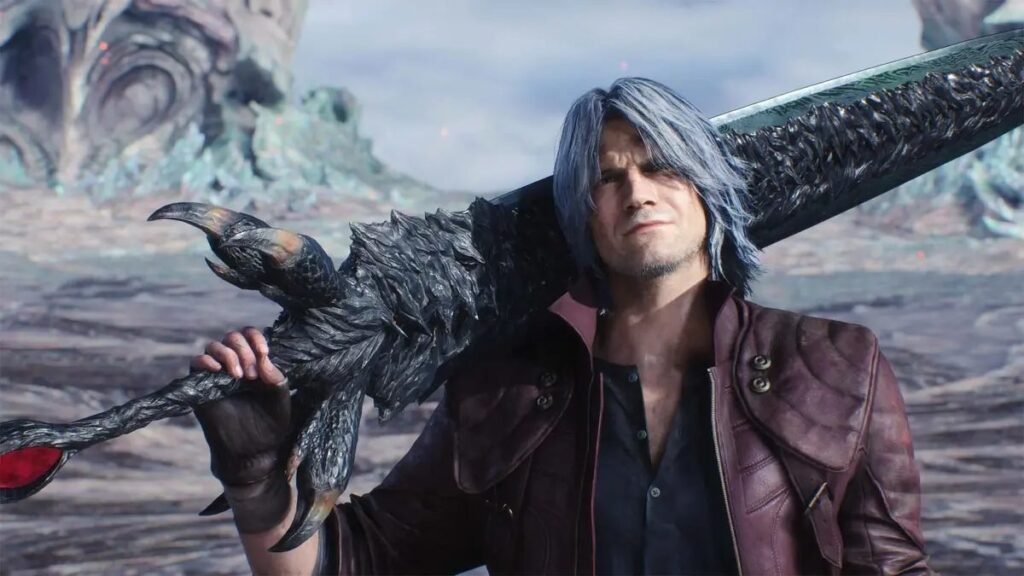
The main protagonist and the face of the franchise, Dante is the second son of the legendary Dark Knight Sparda (a powerful demon who rebelled against his own kind to save humanity) and a human woman named Eva. Operating out of his perpetually in-debt investigative agency named “Devil May Cry,” Dante works as a paranormal mercenary and private investigator. Despite his immense, terrifying demonic power, Dante hides his traumatic childhood past behind a facade of extreme cockiness, a love for strawberry sundaes, and a strict diet of pizza. He wields the Rebellion sword and possesses the ability to transform into his demonic form via the “Devil Trigger,” unleashing his true power.
Vergil
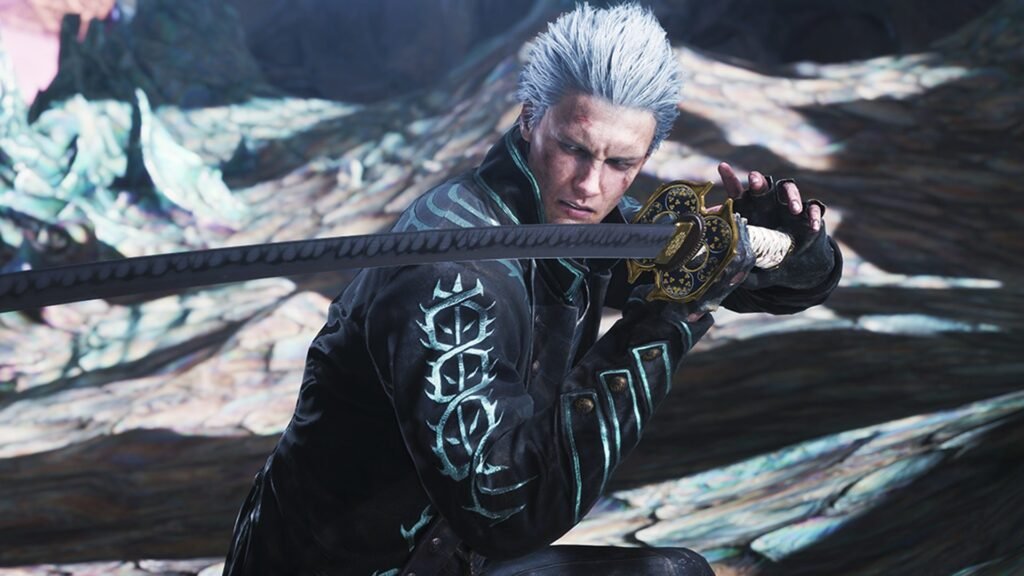
Dante’s older twin brother, Vergil, serves as his ultimate rival and the primary antagonist in several entries. Unlike Dante, who embraces his human side and protects humanity, Vergil rejects his human blood entirely following the tragic death of their mother. He becomes entirely obsessed with claiming his father’s true demonic power to ensure he is never weak again. Cold, calculating, and ruthlessly efficient in combat, Vergil wields the legendary dark-forged katana known as Yamato, which has the terrifying power to slice through dimensions. His relentless, blind pursuit of absolute power routinely creates catastrophic consequences for the human world.
Nero
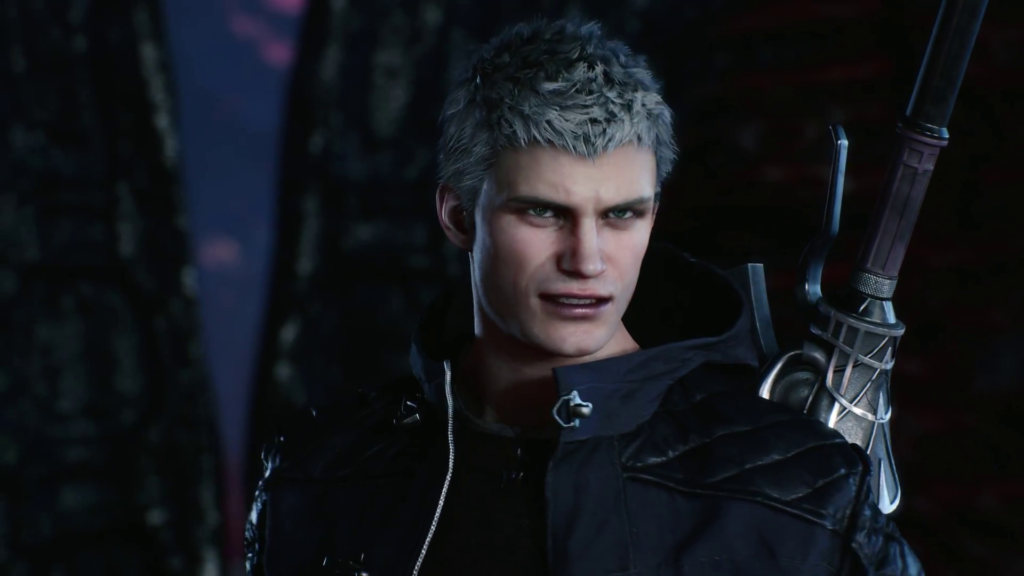
Introduced as the lead in Devil May Cry 4, Nero is a young, hot-headed holy knight of the Order of the Sword who is later revealed to be Vergil’s abandoned son (and Dante’s nephew). Originally wielding the Red Queen (a highly customized sword with a motorcycle-like combustion engine) and the Blue Rose double-barreled revolver, Nero’s defining feature was his demonic right arm, the Devil Bringer. In Devil May Cry 5, after having his demonic arm ripped off, he utilizes a variety of interchangeable mechanical prosthetics known as Devil Breakers, crafted by his genius mechanic partner, Nico. Nero represents the future of the franchise, officially inheriting the heavy burden of protecting humanity from the underworld.
“Square Enix has officially confirmed that Kingdom Hearts IV is targeting a late 2027 release window. Revealed alongside fresh gameplay footage and the debut of Pixar’s Coco world, Sora’s next major adventure is finally coming into focus. Click here for full launch window details and platform announcements.”