The Complete History of Tycoon Games: From Lemonade Stands to Modern Empires
Explore the fascinating history of tycoon games, tracing the genre's evolution from early 8-bit classics to legendary hits like RollerCoaster Tycoon and modern simulators.
There is a unique and undeniable thrill in starting with a small patch of land or a handful of coins and slowly building a sprawling, massively profitable empire. The management simulation genre, widely known to gamers as “tycoon games,” taps directly into this human desire to organize, optimize, and succeed. Whether you are designing death-defying roller coasters, managing a bustling hospital, or running a planetary transit system, the history of tycoon games is a fascinating journey through the evolution of PC gaming itself.
From text-based educational software to highly detailed 3D simulations, the genre has seen massive shifts in design, popularity, and community involvement. Let’s take a deep dive into how the tycoon genre was born, its golden era, and how it continues to thrive today.
The Early History of Tycoon Games: The 1970s and 1980s
Long before isometric graphics and complex artificial intelligence pathfinding, the foundational concepts of resource management were being laid down in text-based formats. The earliest true ancestor of the genre is widely considered to be Lemonade Stand, created in 1973 and later popularized by Apple in 1979. It was a simple educational game where players had to manage their budget, adjust recipe costs based on weather forecasts, and try to maximize daily profits.
As the 1980s progressed, games became slightly more complex. Titles like M.U.L.E. (1983) introduced deep economic theories, supply and demand, and multiplayer capitalism to the mix. However, the genre had not yet found the iconic naming convention or the specific gameplay loop that modern gamers associate with the word “tycoon.” That monumental shift would happen at the dawn of the 1990s.
The Golden Age: Sid Meier, Chris Sawyer, and Bullfrog
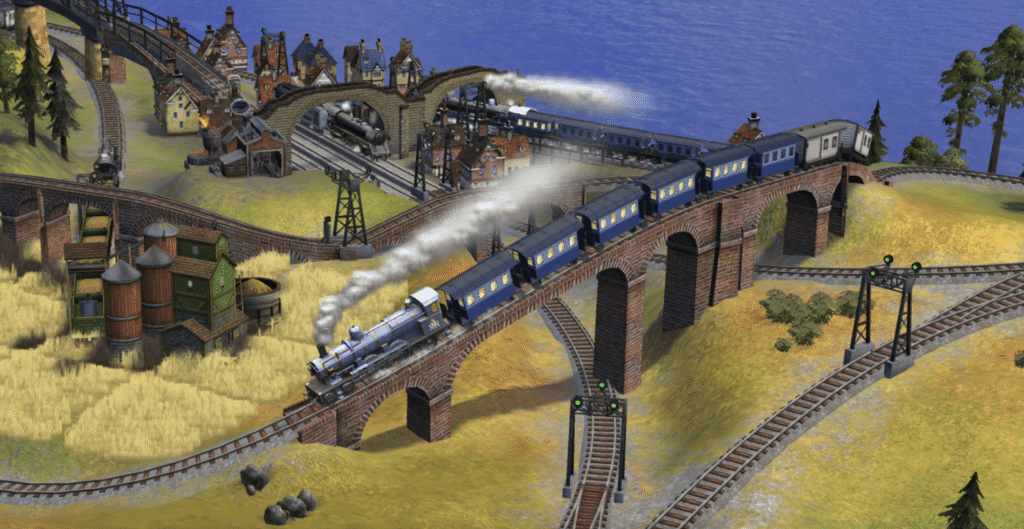
The term “tycoon” was permanently cemented into gaming lexicon in 1990 with the release of Sid Meier’s Railroad Tycoon. Developed by MicroProse, this masterpiece allowed players to manage a railway network, buy historical trains, lay down tracks, and fiercely compete with rival barons. It was a critical and commercial smash hit, proving that economic management could be deeply engaging.
Shortly after, the legendary Chris Sawyer took the genre to new heights. In 1994, he released Transport Tycoon, expanding the scope to include road, air, and sea transport. The isometric view, detailed logistics, and bustling automated worlds became the gold standard for the genre.
During this same era, Peter Molyneux’s Bullfrog Productions approached the management simulator from a more lighthearted, darkly comedic angle. Theme Park (1994) allowed players to design their own amusement parks, set the amount of salt on the fries to make guests thirsty, and gouge prices on drinks. Bullfrog followed this up with the brilliant Theme Hospital in 1997, where players cured ridiculous fictional diseases like “Bloaty Head” while keeping staff happy and corridors clean.
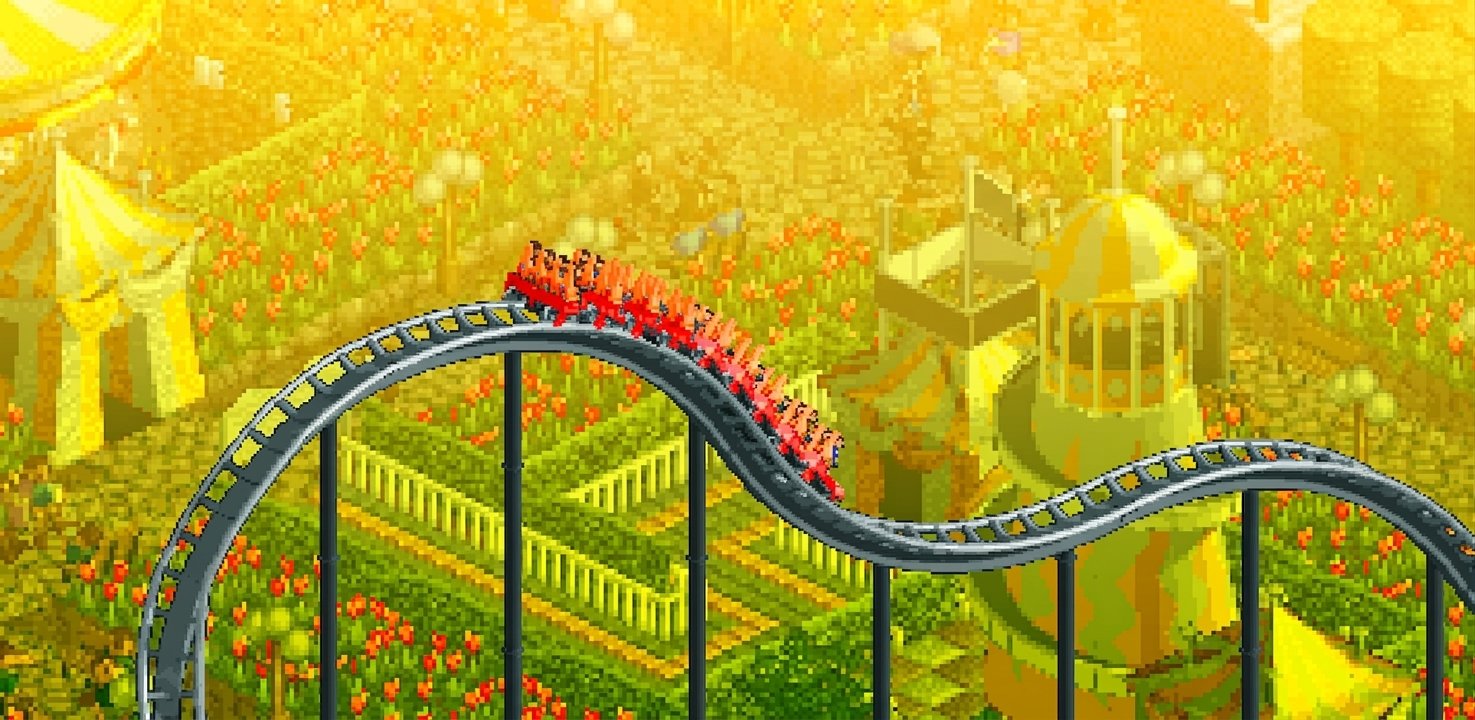
The definitive peak of the golden age arrived in 1999 with Chris Sawyer’s RollerCoaster Tycoon. Programmed almost entirely in Assembly language by Sawyer himself, the game was a masterclass in design. Players could meticulously construct custom roller coasters, hire handymen to clean up paths, and watch thousands of distinct AI guests navigate their creations. It remains one of the best-selling PC games of all time and is often cited as the pinnacle of the genre.
The 3D Transition and the Flood of the 2000s
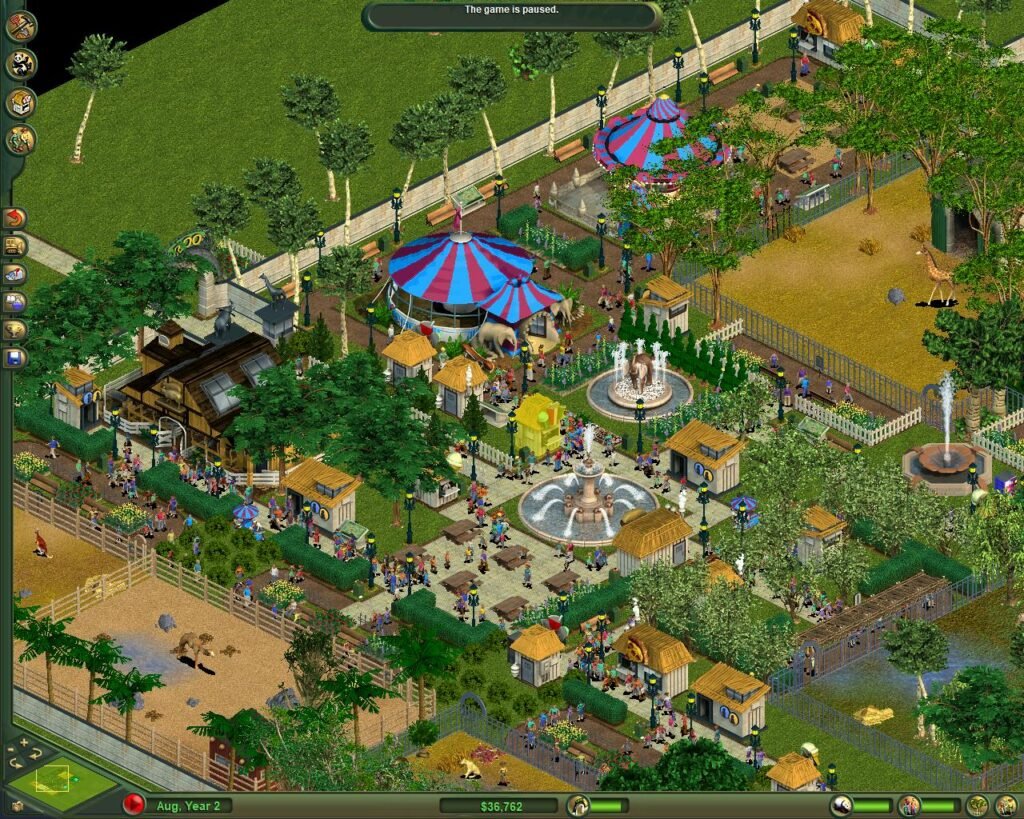
As technology advanced, the 2000s brought the genre into the third dimension. Zoo Tycoon (2001) by Blue Fang Games became an instant household favorite, letting players manage animal enclosures, guest happiness, and deal with the occasional escaped T-Rex via expansion packs. In 2004, RollerCoaster Tycoon 3 successfully transitioned the series to full 3D, allowing players to ride their own coasters in first-person view.
However, the immense financial success of these flagship titles led to an oversaturation of the market. Publishers realized that slapping the word “Tycoon” on a box guaranteed a certain amount of sales. This led to a massive influx of lower-quality, budget titles. While there were hidden gems, shelves were flooded with bizarre and unpolished games like Mall Tycoon, Prison Tycoon, Toilet Tycoon, and Ski Resort Tycoon. This shovelware trend eventually caused a severe decline in the genre’s overall reputation by the late 2000s, leading to a long dormant period for big-budget management games.
The Modern Renaissance: Indie Developers and Next-Gen Simulations
The tycoon genre experienced a massive revival in the 2010s, spearheaded largely by passionate indie developers who grew up playing the 90s classics. Greenheart Games released Game Dev Tycoon in 2012, a highly addictive simulator that put players in the shoes of a budding game developer starting in a garage in the 1980s.
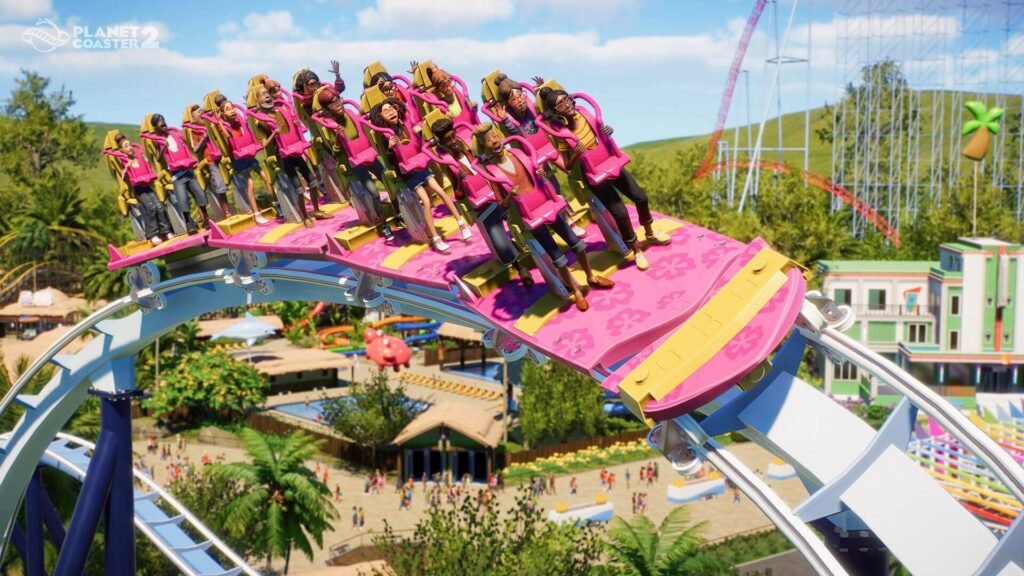
By the mid-2010s, larger studios recognized the returning hunger for deep, polished management games. Frontier Developments, a studio that actually worked on expansions for RollerCoaster Tycoon, released Planet Coaster in 2016. It offered unprecedented creative freedom, acting as the true spiritual successor to the classic theme park games. Similarly, Two Point Studios (founded by the original creators of Theme Hospital) released Two Point Hospital in 2018, perfectly recapturing the charm and humor of the 90s original.
Today, the spirit of the tycoon game lives on in various forms. Titles like Cities: Skylines dominate city management, while games like Stardew Valley and Factorio incorporate heavy resource management and economic scaling. The history of tycoon games proves that the joy of building, balancing budgets, and watching a digital ecosystem thrive is a timeless formula that will continue to captivate gamers for decades to come.
“Journey back to the dawn of interactive entertainment and discover how early pioneers built the very first video game in history, paving the way for the multi-billion-dollar gaming industry we know today.”