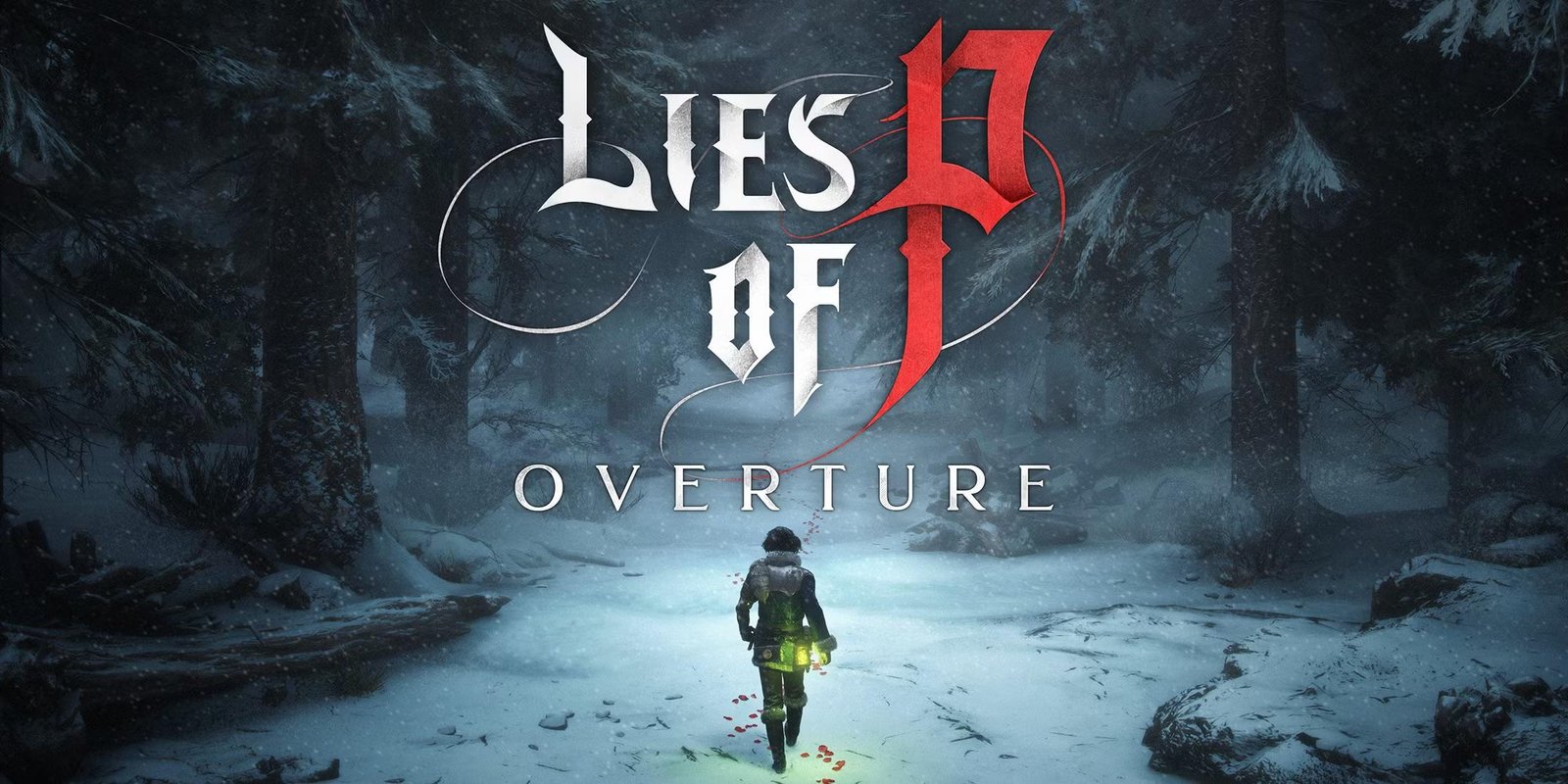
Lies of P Overture Cut Content: Why the DLC Was Scaled Back
Discover the hidden history behind the Lies of P Overture DLC. Learn why Game Director Choi Ji-won scrapped massive amounts of cut content and boss lore.
Soulslike genre has seen countless contenders over the years, but very few have managed to capture the dark, atmospheric brilliance quite like Neowiz and Round8 Studio’s twisted take on the Pinocchio fable. When the highly anticipated expansion finally launched, players were immediately struck by its impressive scale. It delivered challenging new bosses, intricate level design, and a wealth of lore. However, despite being a massive package on its own, recent revelations from the development team indicate that the Lies of P Overture cut content is just as fascinating as what actually made it into the final release.
According to Game Director Choi Ji-won, the original blueprint for the expansion was significantly more ambitious. The development journey was fraught with massive structural changes, scrapped ideas, and a narrative pivot that forced the studio to practically rebuild the DLC from the ground up. Here is everything we know about the tumultuous development cycle and the forgotten secrets of the Overture expansion.
The Original Vision for the Lies of P Overture DLC
When the development team first began sketching out the framework for the Overture expansion, their primary goal was innovation. Choi Ji-won explained that they desperately wanted to create an experience that felt distinctly different from the base game. They did not want to simply offer “more of the same.” To achieve this, the studio aggressively experimented with numerous new mechanics, gameplay systems, and radical narrative directions.
The ambition was sky-high. The team poured countless hours into designing entirely new zones and injecting complex systems that were meant to push the boundaries of what players expected from a traditional soulslike expansion. The initial design document was overflowing with fresh ideas, making the project incredibly dense and arguably overly complicated.
Internal Testing and the Painful Decision to Reboot
In the world of video game development, internal playtesting is the ultimate reality check. For the Overture DLC, this phase proved to be a harsh awakening. When the first comprehensive internal tests were conducted, the feedback from playtesters was overwhelmingly negative.
Initially, the development team remained optimistic. They assumed that the poor reception was simply a byproduct of the project being in its early, unpolished stages. It is incredibly common for alpha builds to feel disjointed. However, as development progressed and subsequent playtests were held, the internal reviews did not improve; in fact, the feedback grew progressively worse. The new systems felt too alienating, and the narrative direction was losing the focused, gothic charm that made the base game a global success.
Faced with this mounting negative feedback, the studio made a heartbreaking but necessary decision. They decided to almost entirely scrap their current progress and re-evaluate the project from scratch. Many levels that were deemed far too ambitious or disconnected from the core gameplay loop were completely removed. Choi Ji-won candidly admitted that changing the narrative direction so drastically caused internal friction, and the new approach was not immediately accepted by everyone on the team. Turning Overture into the masterpiece we know today was a highly painful and stressful process.
Scrapped Lore: The Tragedy of Archbishop Andreus
One of the most heartbreaking aspects of the Lies of P Overture cut content is the loss of deeply fascinating narrative arcs. The original, larger version of the DLC was heavily focused on expanding the lore of existing characters.
The most notable casualty of this reboot was a dedicated storyline revolving around Archbishop Andreus. Fans of the base game will remember him as one of the most grotesque and memorable boss encounters. The original expansion plan included an entire section detailing his tragic fall from grace and his eventual horrifying corruption. Unfortunately, because this specific chapter did not align with the new, streamlined vision of the DLC, it was entirely left on the cutting room floor. As a result, players will likely never get to see the intricate, dark details of the Archbishop’s past.
Choosing Cohesion Over Sheer Volume
It is always disappointing for gamers to learn about massive chunks of cancelled content, especially for a universe as captivating as this one. The development team ultimately realized that their initial version had become dangerously bloated and scattered. By choosing to aggressively cut back the content, they saved the project from becoming a confusing mess.
In the end, the studio prioritized a focused, highly polished, and cohesive experience over sheer volume. While the Lies of P Overture cut content remains a fascinating “what if” scenario for the community, the final product stands as a testament to the studio’s dedication to quality. Sometimes, the bravest thing a developer can do is admit when an idea isn’t working and have the courage to start over.