Physical Game Sales Are Making a Comeback After 10 Years Thanks to Nintendo
Physical game sales are rising again in 2026, with US spending up 5% to $738 million. Discover how Nintendo's Game-Key Cards are driving growth.
For years, the video game industry has been moving steadily toward digital distribution. Digital storefronts have made it easier than ever to purchase games instantly, while subscription services and frequent online discounts have changed how players build their libraries. As a result, physical game sales have faced increasing pressure, leading many to wonder whether boxed games will eventually become a niche market.
However, new data from the US market suggests that physical games may not be disappearing as quickly as some expected. According to figures shared by Circana analyst Mat Piscatella, spending on new physical video games increased by 5% in 2026, reaching $738 million. The growth is particularly noteworthy because it marks the first annual increase in spending on new physical games in approximately a decade.
One of the biggest contributors to this unexpected turnaround is Nintendo, specifically its Game-Key Card format for the Nintendo Switch 2. Although the system has attracted criticism from some players, its growing presence in the market appears to be helping physical game sales regain momentum.
Nintendo’s Game-Key Cards Drive Physical Game Sales Growth
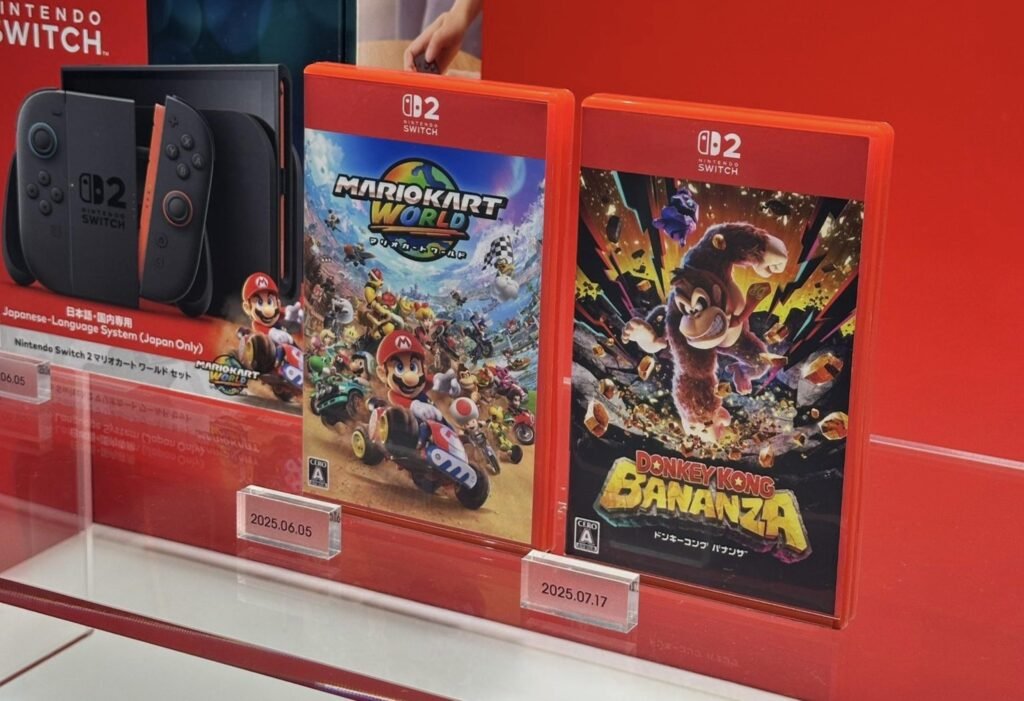
Nintendo’s Game-Key Card format has become an important part of the physical gaming market in 2026. Unlike traditional game cartridges, which store the game data directly on the cartridge, Game-Key Cards act as physical keys that allow players to access and download their games.
According to Piscatella’s figures, spending on Nintendo’s Game-Key Card releases increased by an impressive 631% compared with the same period last year. That is a substantial jump, especially in an industry where physical game sales have generally struggled to maintain their previous levels.
The growing number of releases using the format helps explain the increase. Only 10 games launched as Game-Key Card releases last year, while another 54 titles joined the lineup in 2026. With more games available in the format, consumers have more opportunities to purchase physical products for their Switch 2 libraries.
This expansion is an important factor when interpreting the figures. The increase does not necessarily mean that every individual Game-Key Card release has become more popular. Instead, the larger selection of games available in the format is likely contributing to the overall growth in spending.
Nevertheless, the numbers suggest that physical products still have a place in the modern gaming market, even when the product inside the box works differently from a traditional cartridge.
Why Game-Key Cards Remain Controversial Among Nintendo Fans
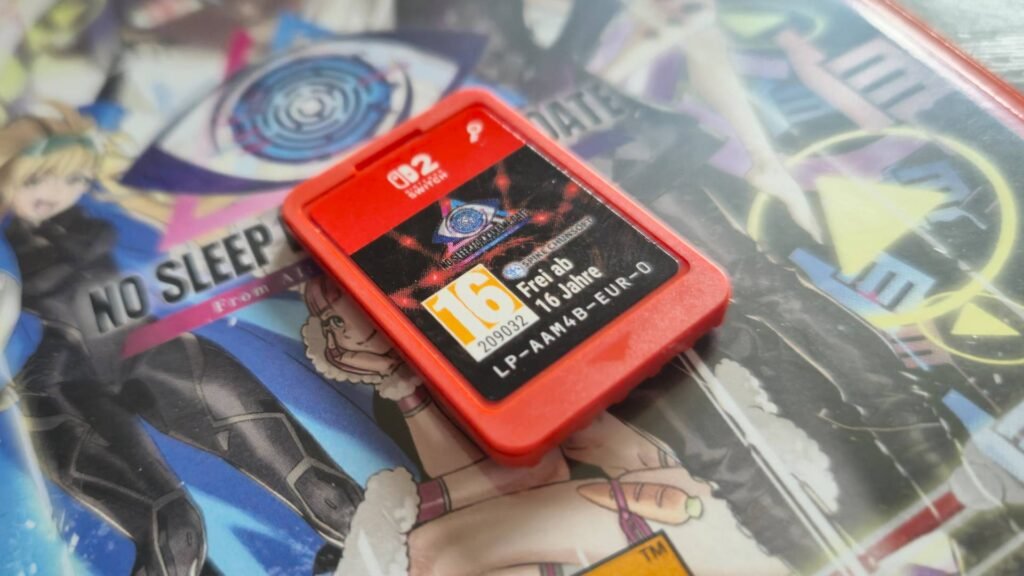
Despite their commercial growth, Game-Key Cards have not been universally welcomed by Nintendo fans. The main criticism concerns what buyers actually receive when purchasing one.
Traditional physical cartridges contain the game data needed to play, although some releases may still require additional downloads or updates. Game-Key Cards, on the other hand, require players to download the game over the internet before they can play it.
For players who prefer owning their games in a tangible format, this distinction matters. Buying a physical box does not necessarily mean having the complete game stored on a cartridge, and the download requirement can be inconvenient for those with slow or limited internet connections.
There is also a broader question about preservation. Physical media has traditionally offered a way to keep games accessible without depending entirely on digital storefronts. When a product requires a download, its long-term accessibility can depend on the continued availability of the necessary files and services.
However, Game-Key Cards retain two advantages that distinguish them from ordinary digital purchases: they can be lent to other people and resold second-hand. These features give buyers more flexibility than a standard digital license typically offers.
For collectors and players who value physical ownership, the ability to pass a game to someone else or sell it later remains an important reason to choose a physical product, even if the game itself must be downloaded.
Physical Game Spending Is Growing, but the Wider Market Tells a Different Story
Although the headline figures appear encouraging, the broader picture is more complicated.
When spending on Game-Key Card releases is excluded, spending on other physical game formats declined by 3% over the same period. This suggests that the overall increase is being driven largely by the expansion of Nintendo’s new format rather than a widespread recovery across every category of physical gaming.
That distinction is important. The data shows that consumers are spending more on new physical games overall, but it does not necessarily indicate that traditional cartridges and discs are experiencing a similar revival.
Nintendo’s influence is particularly significant because the company continues to maintain a strong presence in the physical gaming market. Its earlier statements that it has no intention of abandoning physical games also suggest that boxed releases will remain part of its strategy.
For players who prefer physical collections, this is an encouraging sign. However, the long-term direction of the market will depend on several factors, including the number of physical releases, consumer preferences, pricing, and how publishers balance physical products with digital distribution.
What Nintendo’s Success Means for the Future of Physical Games
The latest figures offer a useful reminder that the shift toward digital gaming does not necessarily mean physical products are becoming irrelevant. Players continue to value tangible purchases, collectible packaging, the ability to resell games, and the freedom to lend their libraries to friends.
At the same time, Game-Key Cards demonstrate that the definition of a physical game is changing. A product can be sold in a physical format without containing all its game data on the card itself. Whether players are comfortable with that compromise will likely remain a subject of debate.
For Nintendo, the growing popularity of the format could encourage publishers to release more games as physical products, even if they choose not to manufacture traditional cartridges for every title. More releases could, in turn, help sustain spending on physical games.
Still, the 2026 figures should be viewed in context. The increase to $738 million is a positive development, but the decline in spending on other physical formats shows that the recovery is not universal.
Ultimately, Nintendo’s Game-Key Cards are helping revive physical game spending, but they have not yet reversed the broader decline of traditional physical media. Whether this marks the beginning of a lasting comeback or a temporary boost driven by a new format remains to be seen. What is clear is that physical gaming still has an audience, and Nintendo is playing a major role in keeping that market alive.
“Team17 has officially revealed The Escapists 3, bringing the beloved prison-break sandbox series into fully realized 3D environments. Get ready to plan, craft, and break out across next-gen consoles and PC. Here is everything announced so far.”