Tomb Raider Catalyst Delayed to 2028: New Release Window Explained
Tomb Raider Catalyst has been officially delayed to 2028. Discover the reasons behind the new release window, storyline details, and Amazon Games' strategy.
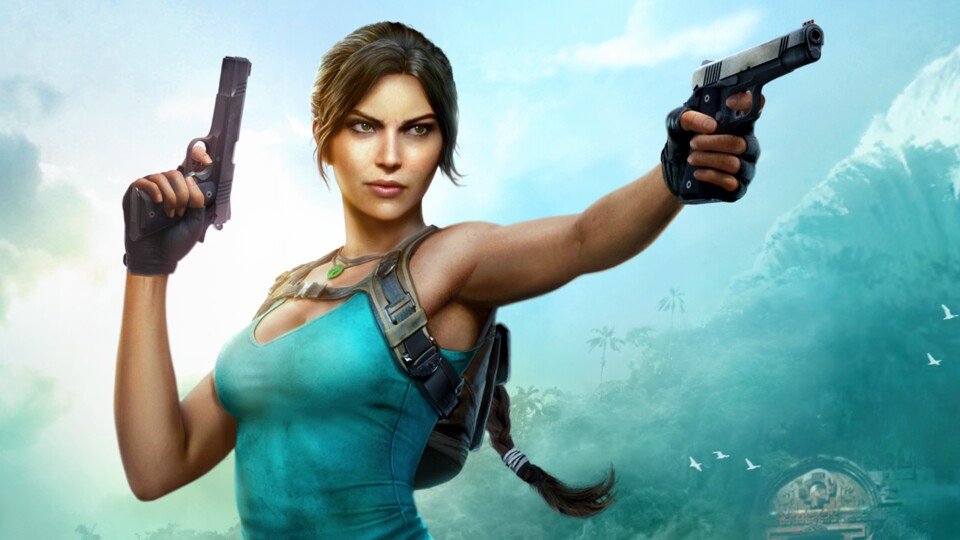
The Tomb Raider Catalyst delayed news has officially shifted the highly anticipated release window for Lara Croft’s next major adventure. Originally revealed during The Game Awards 2025 after years of circulating rumors, Tomb Raider: Catalyst promised a breathtaking next-generation experience powered by Unreal Engine 5. Targeted for a launch on PC (Steam), PlayStation 5, and Xbox Series X|S, the gaming community firmly expected the title to drop in 2027. However, recent developments and strategic decisions by the publisher have pushed this ambitious project back a full year, officially locking its release window to 2028.
While delays in the modern gaming industry often signal development struggles, this specific schedule adjustment appears to be a heavily calculated maneuver by Amazon Games. Let’s dive into the core reasons behind the shifted timeline, the impact of other upcoming titles, and what players can expect when they finally step back into the boots of gaming’s most iconic archaeologist.
The Core Reason: Why is Tomb Raider Catalyst Delayed?
To understand why the Tomb Raider Catalyst delayed timeline makes perfect sense, we have to look at the broader publishing schedule of Amazon Games. For dedicated fans keeping track of the franchise’s expanding universe, this delay does not come as a massive shock. The primary reason stems directly from another major title in the series: Tomb Raider: Legacy of Atlantis.
Originally slated for an earlier release window, Legacy of Atlantis recently faced its own schedule adjustment, officially moving to February 12, 2027. If the developers had maintained the original 2027 target for Catalyst, Amazon Games would have effectively launched two massive, standalone Tomb Raider games within the exact same calendar year. Releasing two highly anticipated AAA adventures back-to-back risks cannibalizing sales, dividing the player base, and overwhelming the community.
During a recent and insightful interview with The Game Business, Jeffrey Gattis, the President of Amazon Games, clarified the company’s long-term strategy for the beloved IP. Gattis confidently stated, “Of course, we announced two Tomb Raider games. Tomb Raider: Legacy of Atlantis will be released on February 12th of next year, and then we will follow up with the next game in 2028. We are very excited about these.” This structured release spacing ensures that both games receive the marketing spotlight and robust post-launch support they truly deserve.
A Mythological Journey: Northern India and Emperor Ashoka
Despite the longer wait, the details surrounding the narrative of Tomb Raider: Catalyst are more than enough to keep the hype alive. The storyline will take Lara Croft to the unforgiving, breathtaking terrains of Northern India. The inciting incident of the game is a massive natural disaster that violently alters the landscape. This catastrophic event acts as the titular “catalyst,” unearthing long-forgotten ruins, ancient artifacts, and hidden temples tied to the legendary Emperor Ashoka.
Emperor Ashoka, a highly influential historical figure in ancient India, brings a rich layer of cultural and historical depth to the franchise. However, in true Tomb Raider fashion, historical exploration quickly intertwines with supernatural threats. The unearthing of Ashoka’s secrets triggers the awakening of ancient guardians—mystical entities sworn to protect the lost empire’s artifacts from outsiders. Lara Croft will find herself locked in a desperate race to uncover the truth before these awakened forces unleash their wrath upon the modern world.
Return to Classic Exploration and Next-Gen Mechanics
For veterans of the franchise, the most exciting aspect of Tomb Raider: Catalyst is its heavy emphasis on classic exploration. The developers are intentionally bringing back the deeply rooted “spirit of discovery” that defined Lara’s earliest adventures. Powered by the incredibly advanced Unreal Engine 5, players can expect visually stunning mountainous regions, deeply atmospheric mysterious structures, and sprawling temple ruins that feel alive and dangerous.
The gameplay loop will challenge players with a variety of intense environmental hazards. You can expect to navigate intricate platforming sections, avoid deadly environmental traps designed by ancient architects, and solve massive physics-based puzzles. Furthermore, the integration of deep mythological elements means Lara will face off against enemies that blur the line between reality and legend. Unreal Engine 5’s advanced technologies will ensure that every dark cavern, towering statue, and hidden tomb is rendered with photorealistic lighting and unparalleled geometric detail.
Looking Ahead to 2028
While hearing that Tomb Raider Catalyst delayed its launch to 2028 might require a bit more patience, the overarching future of the franchise has never looked brighter. With Legacy of Atlantis ready to deliver an epic mystery in early 2027, fans will have a massive AAA experience to tide them over. By the time 2028 arrives, the developers will have had the ample time necessary to polish Catalyst into a genre-defining masterpiece.
The extra year of development guarantees that the team can fully optimize the mechanics across PC, PlayStation 5, and Xbox Series consoles, ensuring a flawless launch. Until then, players can start preparing for an unforgettable double-feature of Tomb Raider content that will easily dominate the gaming landscape for years to come.
Would you like to learn the release date of God of War Laufey?