Why Red Dead Online Failed: 7 Reasons Rockstar’s Western Multiplayer Game Lost Its Momentum
Discover why Red Dead Online failed to reach its potential, from slow updates and repetitive content to monetization issues and Rockstar's shifting priorities.
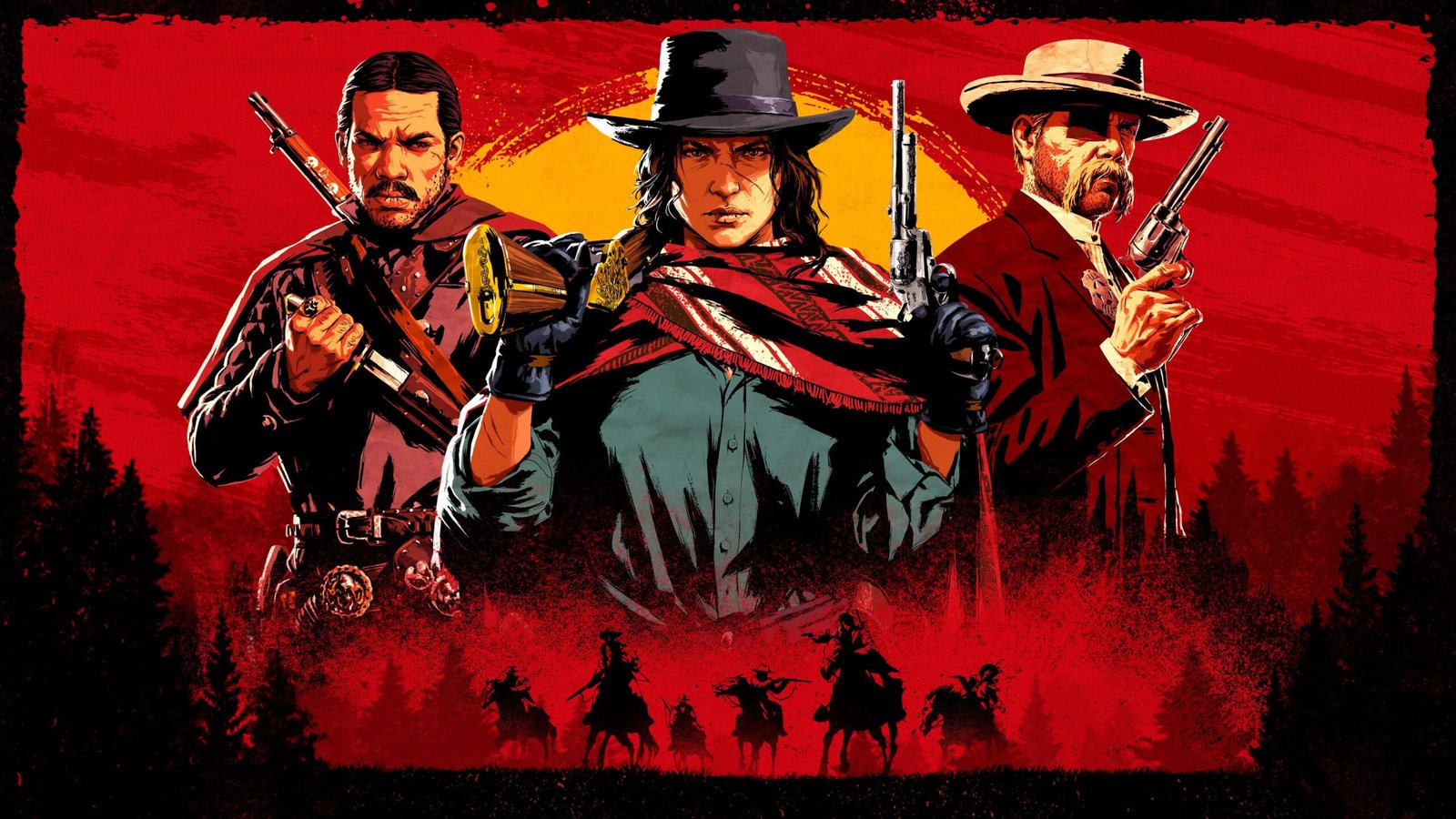
When Rockstar Games released Red Dead Redemption 2 in 2018, it delivered one of the most detailed open-world experiences in gaming history. Its enormous map, memorable characters, immersive storytelling, and carefully crafted Wild West atmosphere established a new benchmark for open-world games. Naturally, expectations were high for its online counterpart, Red Dead Online.
On paper, Red Dead Online had everything it needed to become a long-lasting multiplayer success. It offered a beautiful world to explore, opportunities to play with friends, dangerous encounters with other players, cooperative missions, and the freedom to build a life on the American frontier. Rockstar had already demonstrated with Grand Theft Auto Online that a multiplayer mode could remain commercially successful for years after its original release.
However, Red Dead Online never achieved the same level of popularity, commercial momentum, or long-term support. Although it developed a dedicated community and received several substantial updates, many players gradually became frustrated with its slow progression, limited activities, and lack of meaningful new content.
So, why did Red Dead Online fail to reach its enormous potential? The answer is not simply that the game was bad or that Rockstar abandoned it too quickly. Several interconnected problems prevented the experience from evolving into the ambitious online Western adventure players had hoped for.
1. Red Dead Online Launched With Too Little Content
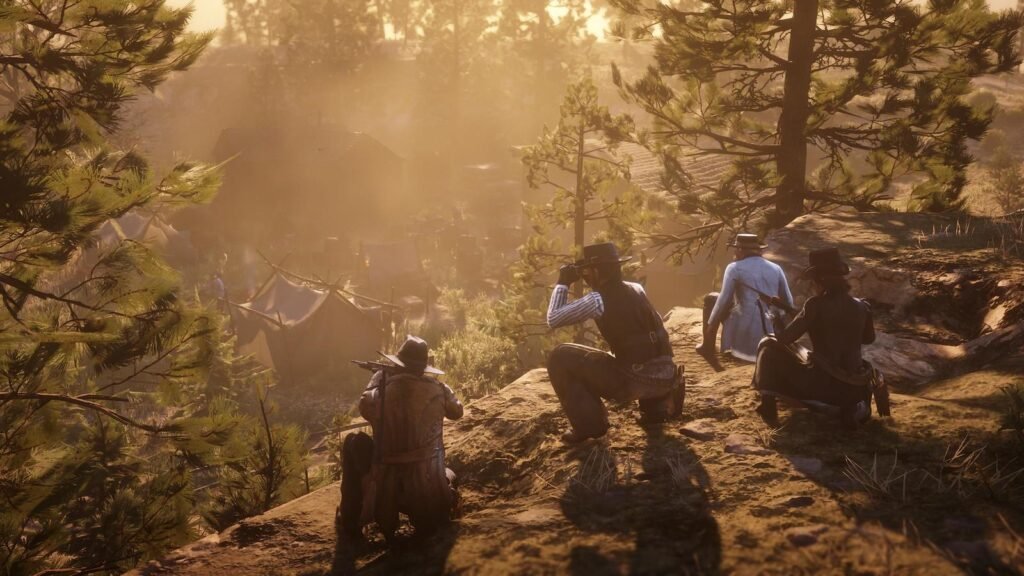
One of the biggest problems with Red Dead Online was its early lack of activities. Although the online mode launched with the foundations of an impressive multiplayer experience, it initially struggled to offer enough variety to keep players engaged for extended periods.
The open world was enormous, but a large map does not automatically translate into meaningful gameplay. Players could hunt animals, complete missions, participate in competitive modes, and explore the wilderness, yet many activities eventually began to feel repetitive.
The problem became more noticeable when players compared the experience with GTA Online. Rockstar’s crime-focused multiplayer game had developed a wide selection of businesses, properties, vehicles, heists, and other activities that gave players long-term objectives.
Red Dead Online needed similarly compelling goals that would encourage players to return regularly. Instead, its early experience often felt like a promising framework waiting for the content that would make it truly special.
Rockstar eventually introduced Specialist Roles, including Bounty Hunter, Trader, and Collector, followed by additional professions and activities. These additions improved the experience considerably, but the game struggled to maintain momentum as players exhausted the available content.
2. Slow Progression and an Unrewarding Economy
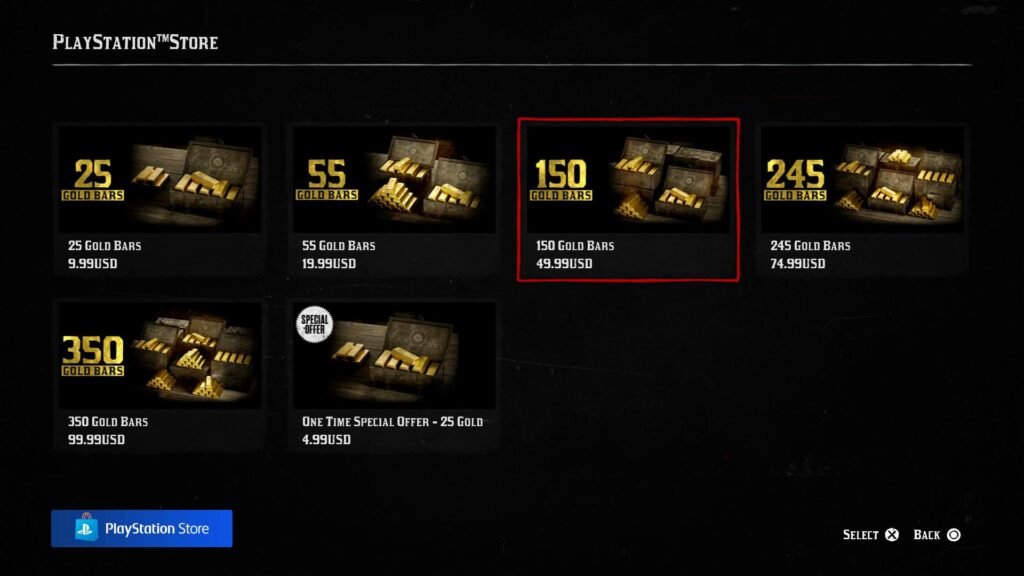
Another major issue was the game’s economy. Red Dead Online used both standard cash and Gold Bars, with the latter serving as a premium currency and an important requirement for unlocking certain activities and purchases.
For many players, earning enough currency to progress felt unnecessarily slow. Ordinary missions and everyday activities did not always provide rewards that felt proportional to the time invested, especially when players were saving for expensive equipment, clothing, horses, or new roles.
This created a frustrating cycle. Players wanted to unlock more content, but doing so often required extended grinding. Once they had acquired the items or roles they wanted, there was not always enough new content to justify continuing the process.
The economy also affected newcomers. Experienced players who had already accumulated money and Gold Bars could approach new updates differently from beginners who were still trying to unlock the game’s core systems.
Rockstar adjusted rewards and progression in response to player criticism, but the underlying problem remained: the game needed a more satisfying relationship between effort and reward.
A successful live-service game should make players feel that their time matters. Red Dead Online sometimes made progression feel more like a chore than an adventure.
3. GTA Online Received More Attention and Bigger Updates
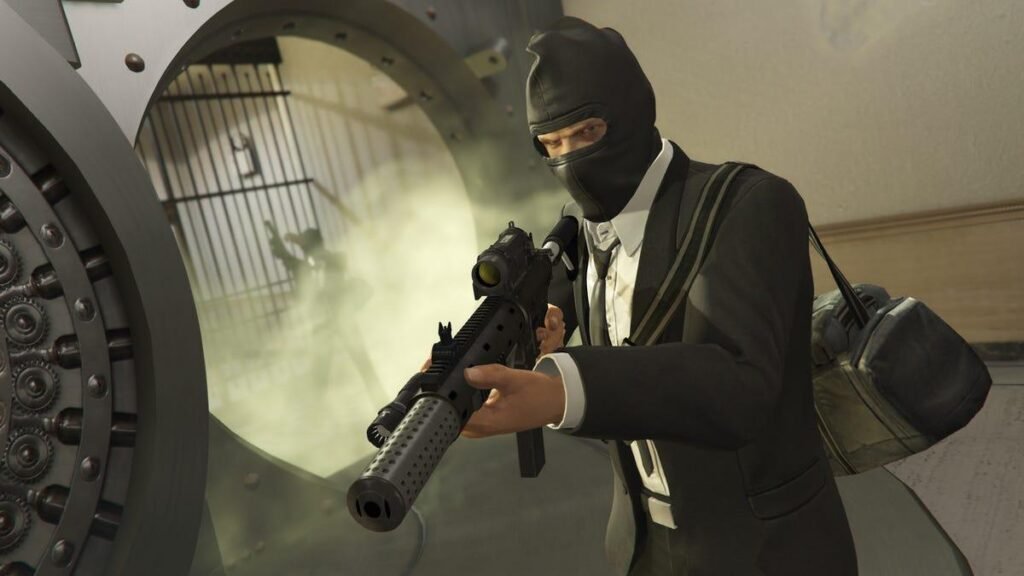
Perhaps the most important factor was Red Dead Online’s position within Rockstar’s broader business strategy.
GTA Online had already established itself as a major long-term multiplayer product. Its modern setting offered endless opportunities for new vehicles, criminal enterprises, properties, missions, and increasingly elaborate heists. These additions gave players fresh reasons to return while creating new things to purchase.
Red Dead Online had comparable potential, but its updates generally failed to deliver the same breadth of long-term progression.
Imagine being able to establish a ranch, breed and sell horses, operate a legitimate trading business, rob increasingly secure banks, or build a criminal organization with your friends. The game’s setting could have supported all of these systems naturally.
Instead, Rockstar gradually shifted more development resources toward the next Grand Theft Auto game. The company made that direction official in its July 2022 community update, explaining that it would focus on existing modes, seasonal events, improvements, and Telegram Missions rather than major themed content updates for Red Dead Online.
This decision made the game’s long-term prospects considerably less promising. Players could no longer reasonably expect the same scale of future expansion that had helped GTA Online remain relevant for years.
The comparison was particularly damaging because both games came from the same developer. Rockstar had already demonstrated what its online worlds could become with sustained support, making Red Dead Online’s limited development even more disappointing.
4. Blood Money Failed to Deliver the Outlaw Fantasy
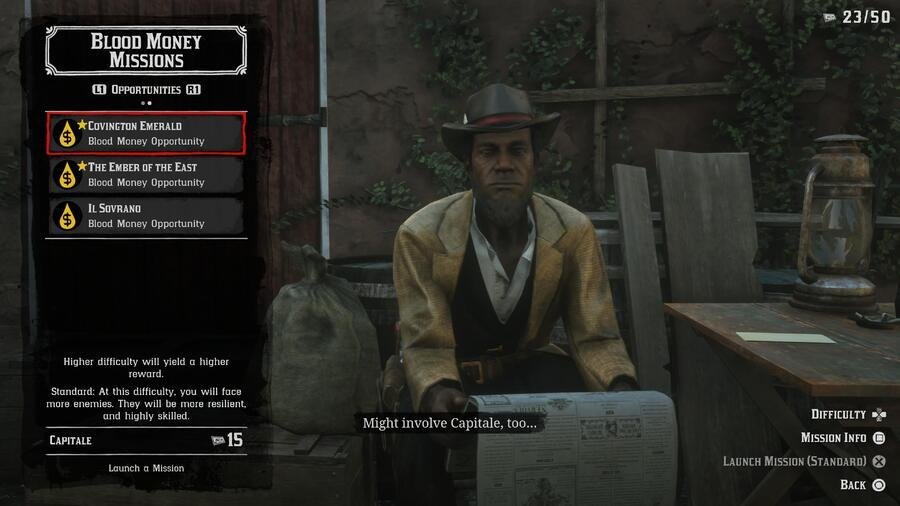
If there was one update that highlighted Red Dead Online’s biggest weaknesses, it was Blood Money, released in July 2021.
The update introduced new criminal opportunities, missions, and the Capitale currency system. On paper, it seemed like exactly what the community wanted: more outlaw activities in a game set during the decline of the Wild West.
Unfortunately, the execution left many players disappointed.
The new missions did not provide the dramatic sense of progression that players associated with major heists in GTA Online. Instead, much of the experience felt similar to existing mission structures, with limited long-term rewards and insufficient reasons to keep repeating the activities.
The problem was not that the missions were entirely worthless. Rather, Blood Money failed to turn its central idea into a substantial new gameplay loop.
Players wanted elaborate robberies, carefully planned bank jobs, train heists with meaningful preparation, and criminal enterprises that could develop over time. Blood Money offered some outlaw-themed activities but did not transform the overall experience in the way many had hoped.
The update ultimately became a symbol of the gap between Red Dead Online’s potential and what Rockstar was prepared to deliver.
5. The Western Setting Limited Some of the Game’s Possibilities
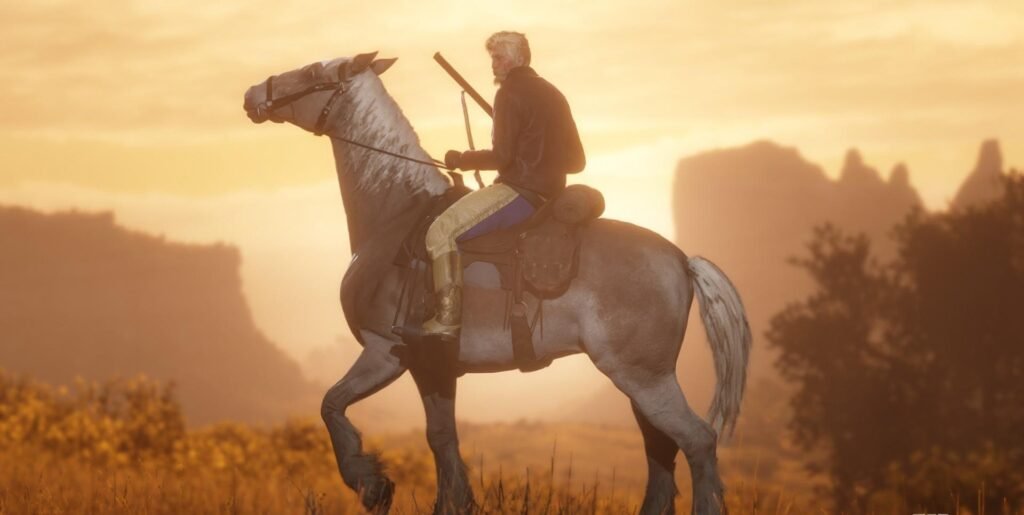
Red Dead Online’s setting was one of its greatest strengths, but it also presented challenges that GTA Online did not face to the same extent.
The Wild West offered hunting, horseback riding, duels, wilderness exploration, bounty hunting, and frontier settlements. These activities suited the game’s atmosphere and helped create a distinctive identity.
However, GTA Online benefited from a more flexible modern setting. Rockstar could introduce sports cars, aircraft, submarines, military equipment, futuristic vehicles, luxury properties, and increasingly extravagant criminal operations without being constrained by historical authenticity.
Red Dead Online had to maintain a different balance. Introducing too many implausible gadgets or over-the-top activities could have undermined the grounded atmosphere that made Red Dead Redemption 2 so appealing.
That did not mean the Western setting lacked potential. Far from it. Horse breeding, ranch management, expanded train robberies, frontier businesses, new towns, and deeper outlaw progression could all have fitted naturally into the world.
The challenge was finding ways to expand the game without losing its identity. Rockstar never fully capitalized on that opportunity, leaving players with a beautiful setting that sometimes felt underused.
6. Repetitive Activities and Limited Endgame Content Hurt Player Retention
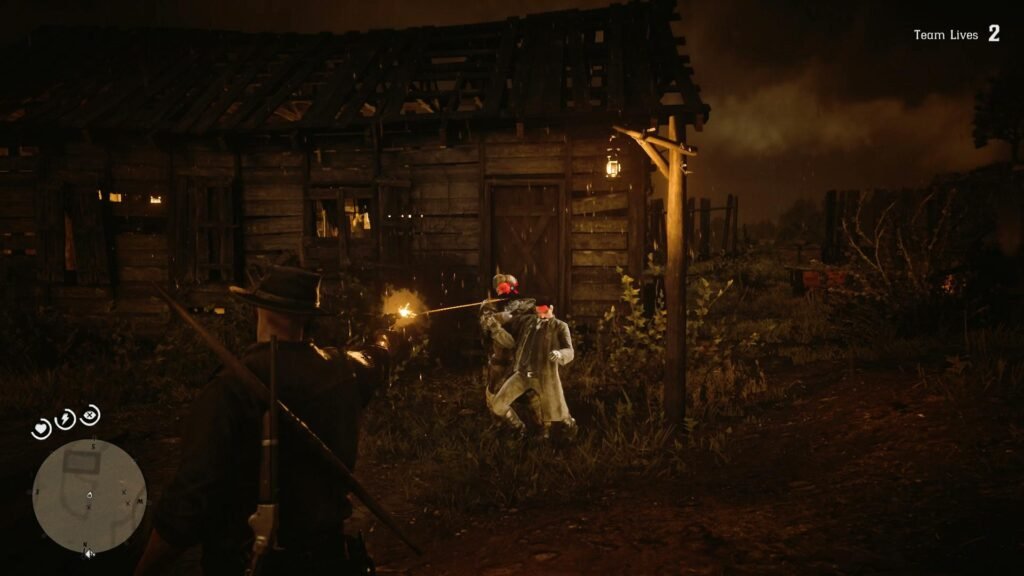
Red Dead Online was at its best when players were creating their own stories. A chance encounter on a dusty road, an unexpected gunfight, or a long ride through the wilderness could make the world feel alive.
However, emergent experiences can only carry a multiplayer game so far. Eventually, players need structured objectives that offer meaningful progression and new challenges.
The Specialist Roles helped address this problem, but their gameplay loops could become repetitive. Bounty Hunters repeatedly pursued targets, Traders gathered supplies and delivered goods, and Collectors searched the world for valuable items.
These activities were enjoyable initially, but their long-term appeal depended on continued expansion. Without substantial new missions, progression systems, and endgame goals, experienced players could eventually feel that they had seen everything the game had to offer.
Community discussions frequently highlighted this lack of fresh content, particularly when players compared the game’s development with GTA Online.
This was especially damaging for a live-service title. Players who complete a traditional single-player game can feel satisfied with the experience, but an online game generally needs to provide reasons to keep returning.
Red Dead Online had the foundations for a compelling long-term adventure. What it lacked was a sufficiently ambitious plan for keeping that adventure fresh.
7. Rockstar Eventually Shifted Its Priorities Away From the Game
By 2022, the direction of Red Dead Online had become increasingly clear. In its official community update on July 7, Rockstar explained that it was moving more development resources toward the next Grand Theft Auto entry.
The company did not announce that Red Dead Online’s servers would immediately shut down. Instead, it confirmed that the game would continue receiving smaller updates, seasonal events, improvements, and additional Telegram Missions, while major themed content updates would no longer be the focus.
For the community, the announcement represented a turning point. Players had spent years discussing potential additions, from new criminal activities to expanded businesses and more substantial story content. The prospect of receiving smaller updates instead of major expansions made many of those ambitions seem unlikely.
The #SaveRedDeadOnline campaign reflected the frustration of players who believed the game deserved more support. Some community members also organized in-game gatherings and funeral-themed events to express their disappointment.
From a business perspective, Rockstar’s decision was understandable. Developing major online expansions requires substantial resources, and GTA Online offered an established audience and a proven commercial model.
However, the decision also revealed the consequences of failing to build Red Dead Online into a comparably sustainable service. Once Rockstar prioritized other projects, the game had fewer opportunities to recover its momentum.
Was Red Dead Online Really a Failure?
Calling Red Dead Online a complete failure would be misleading. The game had a dedicated community, offered a distinctive multiplayer experience, and benefited from the extraordinary world-building of Red Dead Redemption 2.
Its problem was not a lack of quality at its foundation. It was the gap between that foundation and the long-term experience Rockstar developed around it.
In May 2026, Take-Two Interactive CEO Strauss Zelnick pushed back against the idea that Red Dead Online represented a missed opportunity, arguing that the success of the broader Red Dead franchise made that characterization unfair. His comments illustrate an important distinction: a successful game franchise can still have a multiplayer component that falls short of its potential.
Red Dead Online did not need to surpass GTA Online to succeed. It needed a clear identity, rewarding progression, consistent development, and updates that made players excited to return.
Red Dead Online struggled because several problems reinforced one another. Its early content limitations and slow economy made progression frustrating, repetitive activities reduced long-term engagement, and updates such as Blood Money failed to deliver the ambitious outlaw experience many players wanted.
Meanwhile, GTA Online continued to benefit from a broader range of activities and sustained development. When Rockstar eventually redirected resources toward its next Grand Theft Auto project, Red Dead Online had little chance of regaining the momentum it had lost.
The biggest disappointment is that the game had so much room to grow. Its world was already one of the most immersive environments in gaming, and its setting offered countless possibilities for new businesses, robberies, stories, and cooperative adventures.
Red Dead Online did not lack potential. It lacked the consistent investment and long-term vision needed to turn that potential into a lasting multiplayer success.
“Brilliant mechanics, gripping storylines, and unforgettable worlds weren’t enough to save these titles from disastrous promotional campaigns. Here are 14 phenomenal games that were held back by bad marketing strategies.”